- Puri
Parikud and Malud Island, Chilika: Life at the Edge of Lagoon and Sea
Chilika Lake is located on the edge of the Bay of Bengal. It lies against the ocean inside. But at the tip of the lake, are two lesser-known regions Parikud and Malud. Life here is dictated by the pulse of the waves and the changing seasons and winged creatures flying over our heads. Those who seek tranquillity will find that travelling to Parikud and Malud is a reality and not theatre or something contrived. They simply walk there, slowly, naturally.
Parikud Island: A World Surrounded by Water
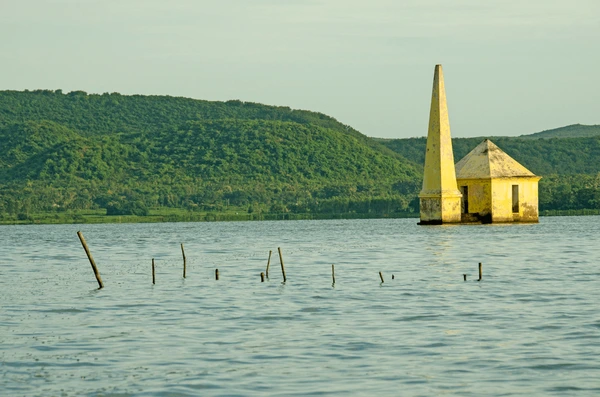
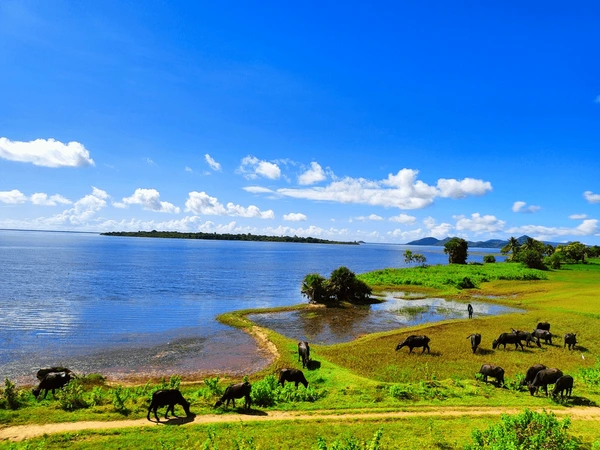
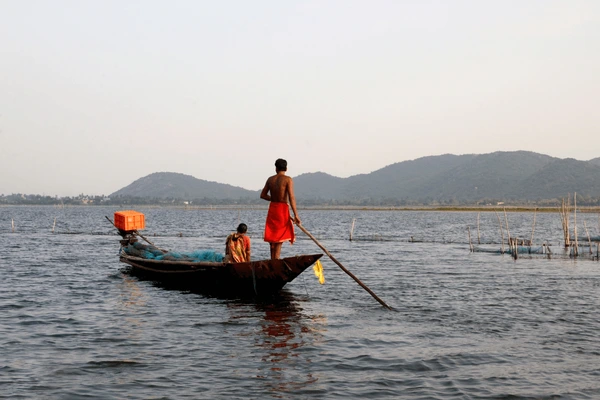
Parikud Island is one of the largest lukini communities in Chilika. It is surrounded by water; yet, it has numerous small villages located throughout the interconnected pathways of thin land, boats and small bridges. The pace of life is slow, based on the availability of fish, the direction of the wind, and the movement of the tides.
The geography of the island is flat and open with a number of ponds, agricultural land, and coconut trees. You see individuals in their homes going about their routine; whether they are fixing their nets, waiting for their turn to go fishing, or checking the state of the tide.
Malud: Where the Lagoon Opens to the Sea
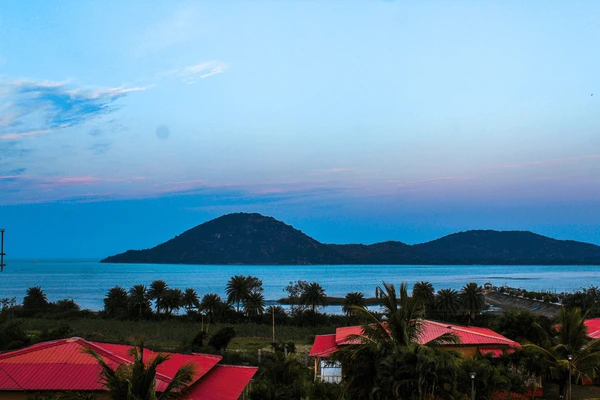
Malud is located at the far reaches of Chilika on its water’s edge, adjacent to the constantly moving sea-surface of Chilika — where the lagoon is calm and the sea is furious. How the water fluctuates between these two states defines Malud. Here, the sky is endless the wind blows strong across forever flat land, and the water is always moving.
There are fewer pieces of land and thus people in Malud compared to Parikuk, but the solitude that Malud provides appeals to people who wish to escape from the crowds. Additionally, if you travel on the coastline just south of Malud toward Sea Mouth Island, several types of marine animals are present here as these currents provide essential nutrients needed by the living organisms in the ocean.
Nature and Birdlife Around the Sea Mouth
The Chilika Sea Mouth is ecologically rich and highly varied, with a number of different habitats for creatures. When the weather is cold, migratory birds appear in the streams and rivers within these areas. At the river mouth you will occasionally see dolphins, giving the area an even wilder feel. With each visit, the water is always changing and never stays the same; therefore, there is no one way to perceive the land (i.e. sand accumulating in one area and being eroded from another and different waterways being established very slowly). For broader coastal planning, our Chilika Lake attractions adds useful context for exploring Odisha’s lake region.
Why Visit Parikud and Malud?
Many people who are interested in visiting both Parikud and Malud are looking for a place that is more authentic than your standard tourist sites. Neither of these islands has resorts or anything other than small towns. Each trip throughout Chilika Lake has its special moments that will last. Each moment will be hidden out there in plain sight.
How to Reach Parikud and Malud Island?
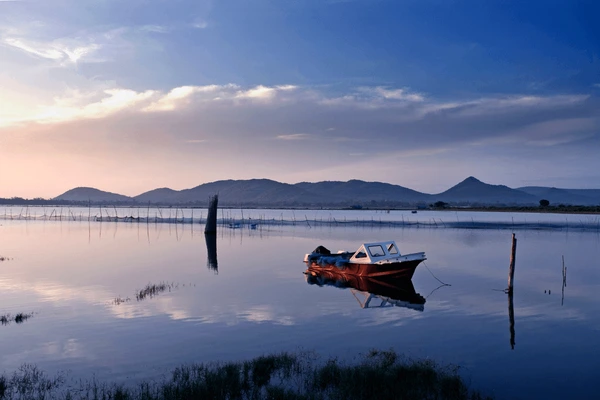
Floating toward these islands feels like stepping into a quiet story. From Satapada or Rambha, a ferry called Janpan moves slowly over the water, bringing travellers along with cars and bikes.
Best Time to Visit Chilika lake?
The best time to go is November through February because the weather cools down.