Traveling to Bhadrak’s final edge, you arrive at Dhamra, where lush green mud and sparkling silver waters converge to create a beautiful natural setting. Long before you see the enormous vessels, you are first greeted by the Kanika Sands lagoon — a vast expanse of calm water used for fishing. This lagoon lies at the very flux point between the Baitarani River and the saltwater of the sea. Others believe that there is an underground channel between both rivers that connects them to one another. The local people say that even when high tide pushes the sea into shore aggressively, the tides remain motionless in the lagoon.
When the sun first breaks through the surrounding mist early each morning, many fishermen use the reflections of the mist on the water as a guide on where to locate fish. These traditional images give you confidence that you have just entered Odisha’s coastal waters.
When Steel Meets the Sea
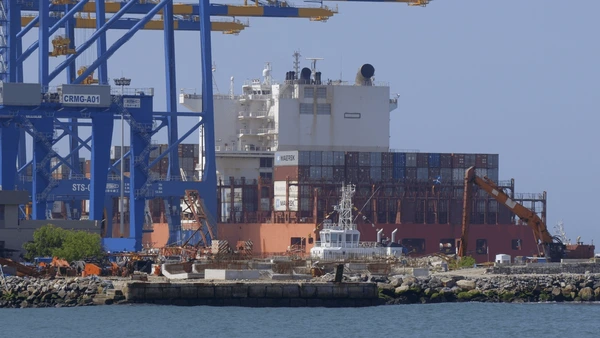
The Dhamra port is somewhere that has an incredible amount of strength. Unlike quiet village beaches, it is a land with steel and black earth. The land is also uniquely shaped because of the water’s depth, enabling the largest vessels in the world to come directly to the land. I remember standing around the main jetty during a windy day in February (Tuesday). There were large cranes (larger than most temples) moving steel and coal with a steady hum. Dhamra port Odisha is located, where all of these structures now exist, once was nothing but salt marshes. It is amazing that humans can change the world. You can see that in your heart even though you cannot read it; therefore, the new heart of our state’s commerce is that port. It is heavy with activity as well as feels as if it is the future.
The life of the Nets
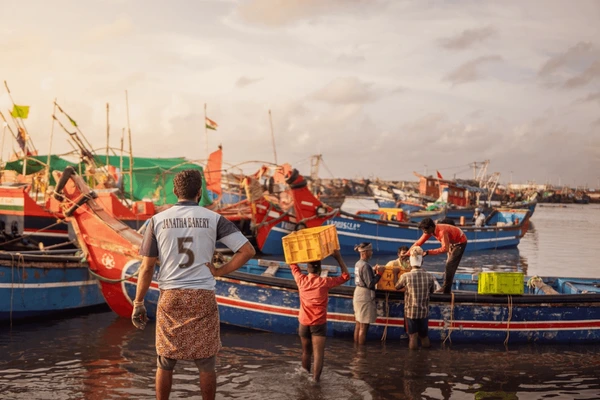
As big ships are busy transferring coal across the bay to and from the land; they are far and away from one of the most active fishing ports in Odisha. The air is filled with salty fishy smells and there is a culture of hard-working and proud people. These hardworking, proud local fishermen mend their giant blue nets at the edge of the harbour while pointing in the direction of the ocean with their hands and smiling. People who live and work in this area of Odisha know the tides better than any clock, and on good days the harbour looks like a sea of colours (silver fish, orange nets and multi-coloured wooden boats). You are asked to show respect and honour the sea as it provides everything for them in this area. For broader coastal planning, our Chilika Lake sightseeing adds useful context for exploring Odisha’s lake region.
Guide to the Shoreline Road
The best time of year to see the area around Dhamra port is during the winter months. The summer’s high temperature makes the coast too hot. There are 80 kilometers between Bhadrak and Dhamra, with the road lined with small villages. I recommend you get on the road by sunrise and wear a scarf for protection against the dust created by coal trucks. Bring your own water and snacks such as “Bara” or “Aludum” with you from Bhadrak; there are no large restaurants near the industrial gates. Take a slow walk through the fishing harbor and enjoy watching the boats coming in.
When is the best time to visit Dhamra?
The ideal time to visit Dhamra is between October and February since the temperature will be pleasant enough to make the long trip from Bhadrak tolerable.
How far away is Dhamra from the nearest railroad station?
The nearest major station is Bhadrak, where you can locate a taxi or bus that will take you to Dhamra.
Is it possible for us to get to Dhamra from Bhadrak in a timely manner?
It is approximately 80 kilometers (50 miles) from Bhadrak to Dhamra and the trip will take you about 2 to 2.5 hours due to the heavy volume of commercial vehicle traffic on the port road.
What is Dhamra known for?
Dhamra is known primarily as one of the deepest ports in India and has a very large fishing port located in the state of Odisha.
Can we enter the main Dhamra port?
No, the industrial Port at Dhamra is a very secure location and you will require a special pass to enter; however, the many visitors to Dhamra get to view the Port from the nearest fishing port.