On the edge of the Balasore district at the mouth of the Subarnarekha River where it joins the sea, there is an area of tangled trees and shifting water that is called Bichitrapur. Before you enter into the interior of this forest by boat you will see the broad mouth of the river. At high tide, the large expanse of water appears to be an enormous still lake. The locals say that there is an agreement made between the fresh water of the river and the salty water of the sea at this point.
The two bodies of water commingle and create soft mud for the root systems of the trees to grow without any support from below. The area is home to the Bichitrapur mangrove lagoon sanctuary. In the early hours of the day, before the tide rises, you can see thousands upon thousands of little red crabs moving over the mud like a living carpet. What a humbling experience to see all the life that exists within it.
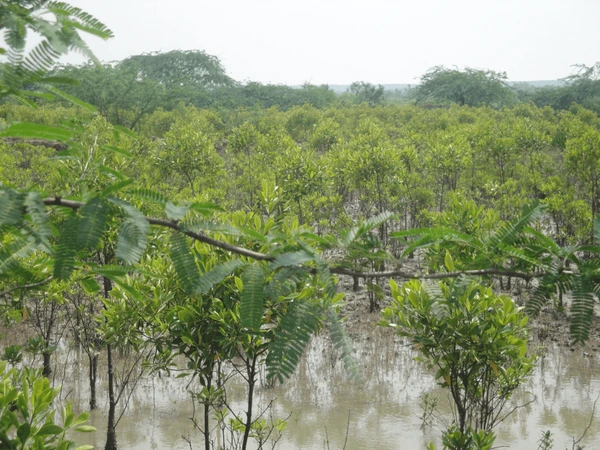
Table of Contents
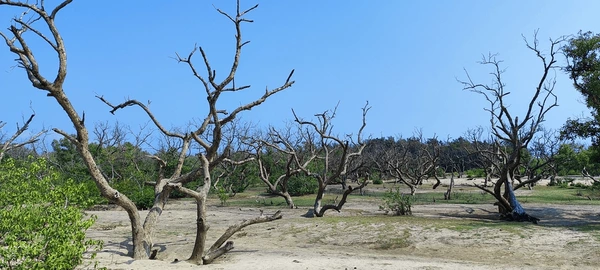
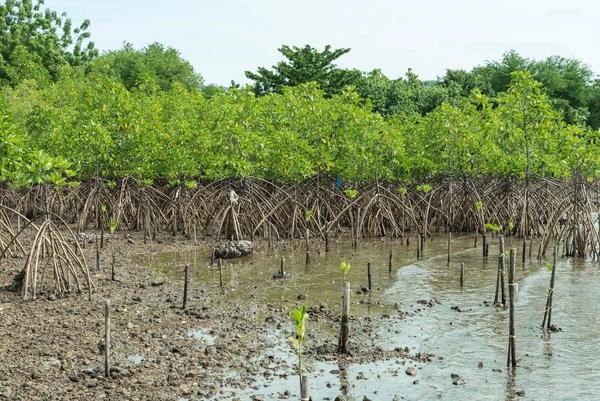
ToggleBachitrapur’s Mangrove Forest is an eerie space filled with shadows created by tree branches and the odd sounds produced by wind or some other source. This is a small area to explore. Many of the trees here, e.g., Hental trees and Bani trees, have aerial roots that jut outward up into the wind like huge spear-like fingertips. Sailing down the narrow channels between the trees is not for everybody; some people find the trees leaning overhead while they pass through frighteningly.
I recall visiting this area in January during a breezy Friday morning; the air was saturated with odours (salt and wet leaves) created by the tide and rainfall. The water was so still that when the boat moved through it, I could see saltwater crocodiles lying along the banks. They just sit there with their mouths slightly open, watching the boats go by. You can tell that the forest in Balasore is the barrier to the ocean; it protects the village from being wiped out by large storms.
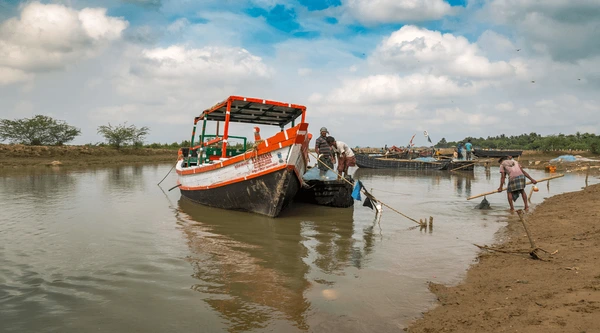
For people who wish to be within easy reach of bodies of water, Bichitrapur nature lodge is ideal. These simple yet well-equipped wooden cabins are located along the banks of the Baya Bayhan, one of the world’s largest rivers. Bichitrapur has many cultural connections to the river, which can be seen in the way the male guards, boatmen, and villagers from Bhograi demonstrate respect and care for it. Instead of making noise, you will see them point to the river.
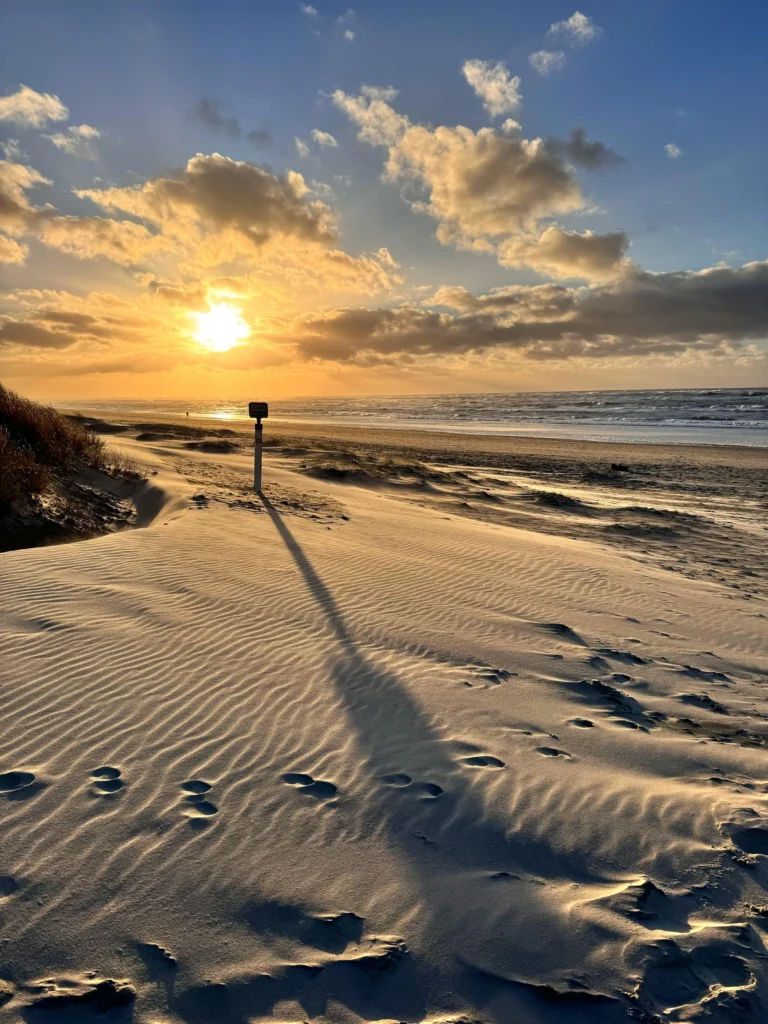
At night, you will only hear the sound of waves on the beach and any sounds coming from the Bay of Bengal, which are relatively quiet. Most visitors to this beautiful region are either overnight guests or day hikers. The Digha to Bichitrapur distance is relatively short, therefore a quick trip from Digha to Bichitrapur is an excellent way to escape the crowds of people that seem to always be in West Bengal.