Jhumka Dam and Reservoir Bhubaneswar’s Hidden Gem

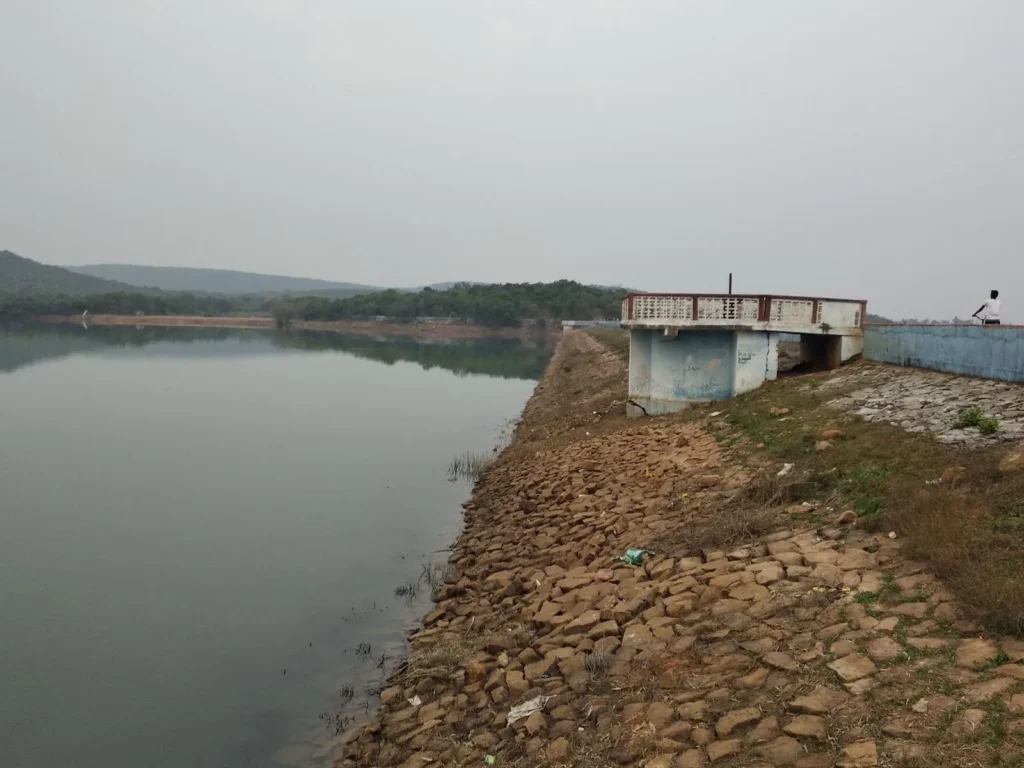
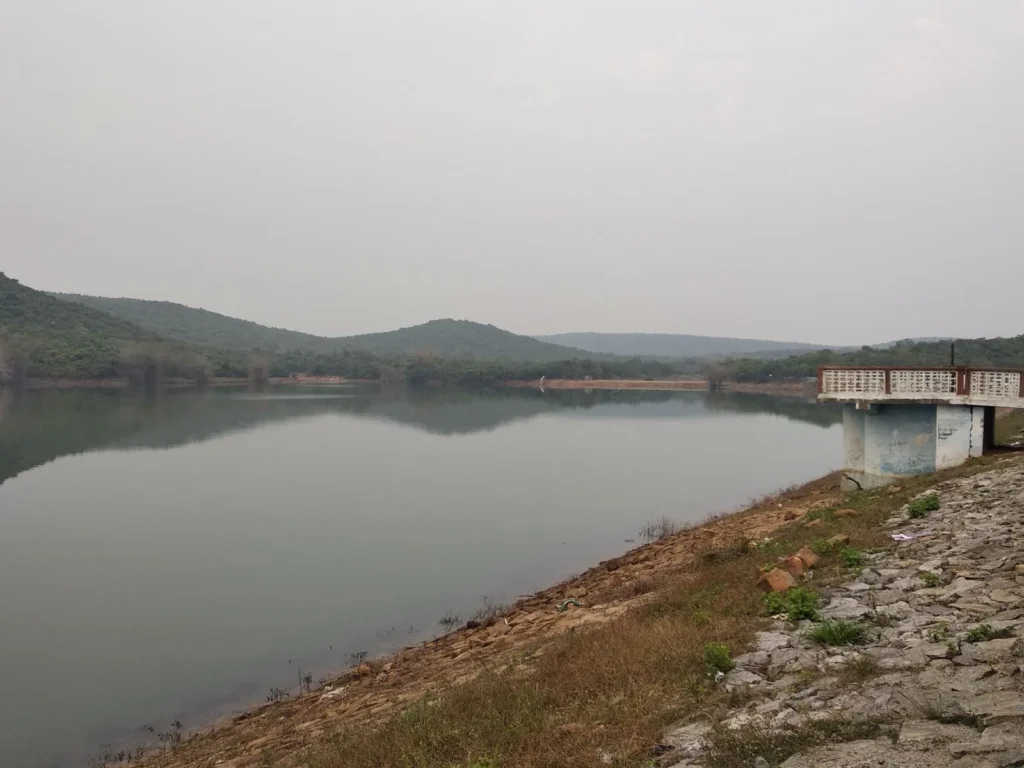
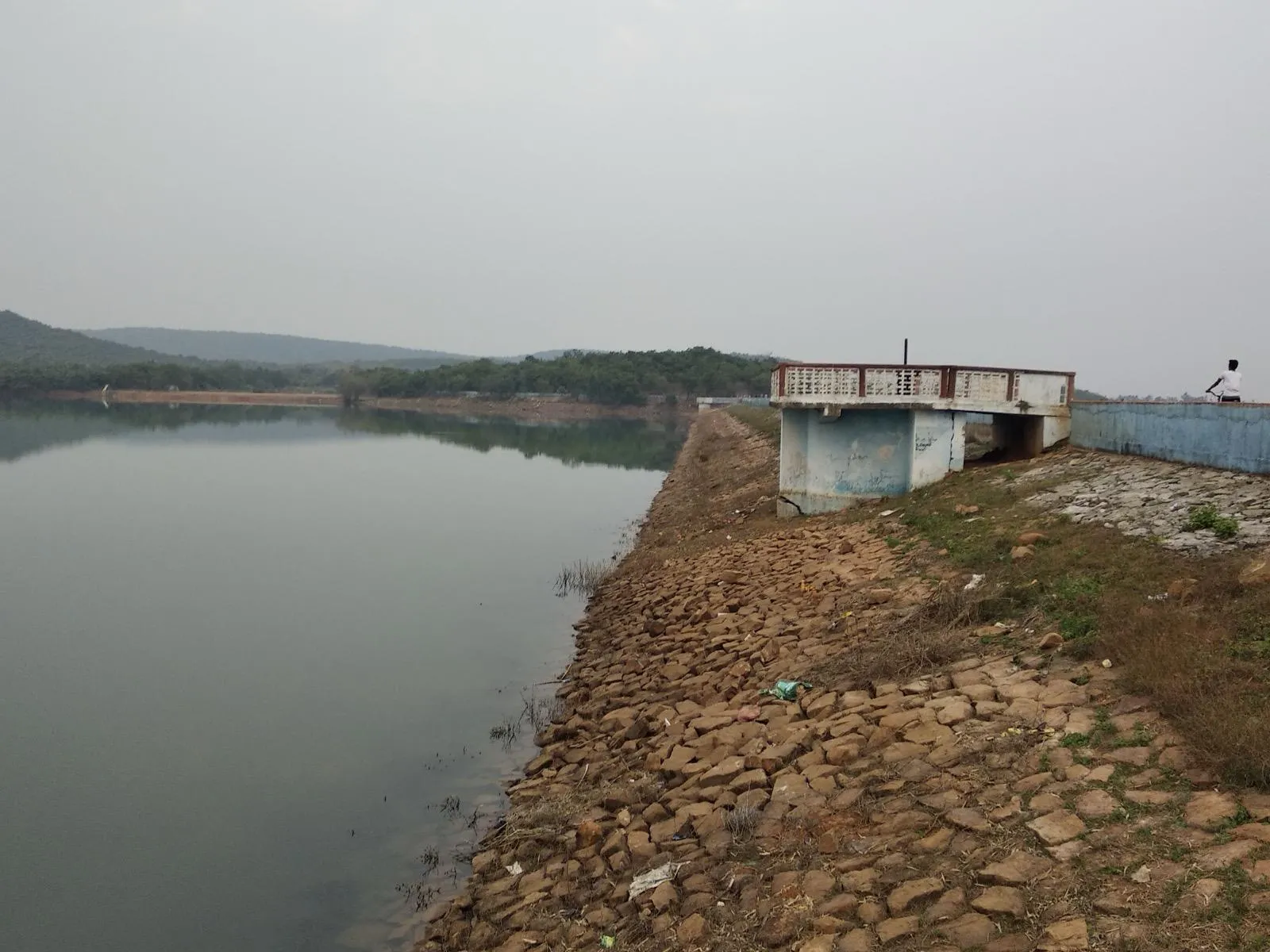
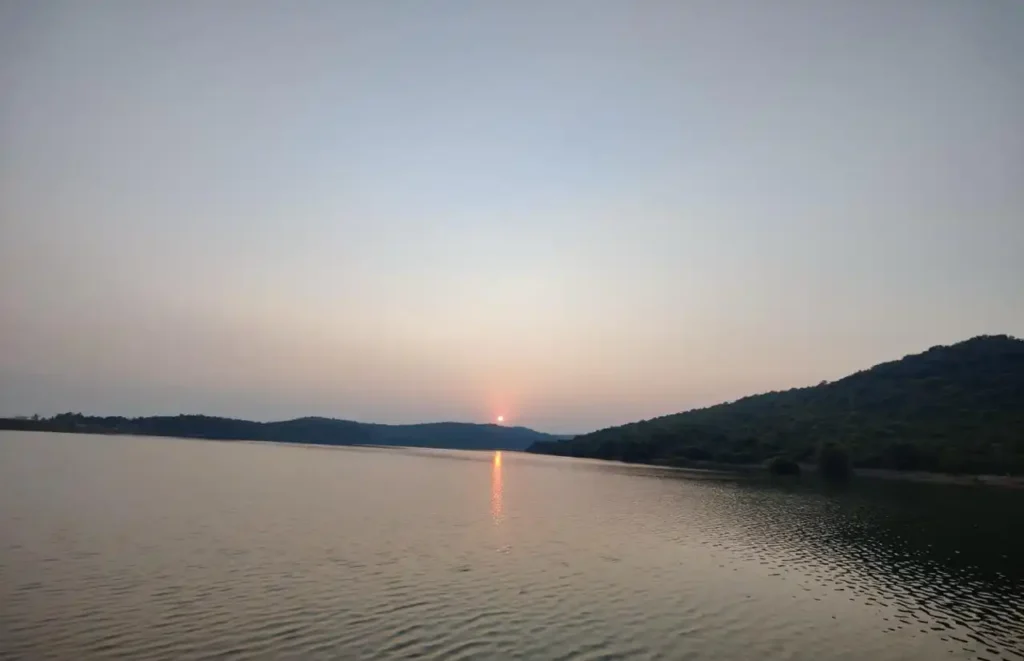
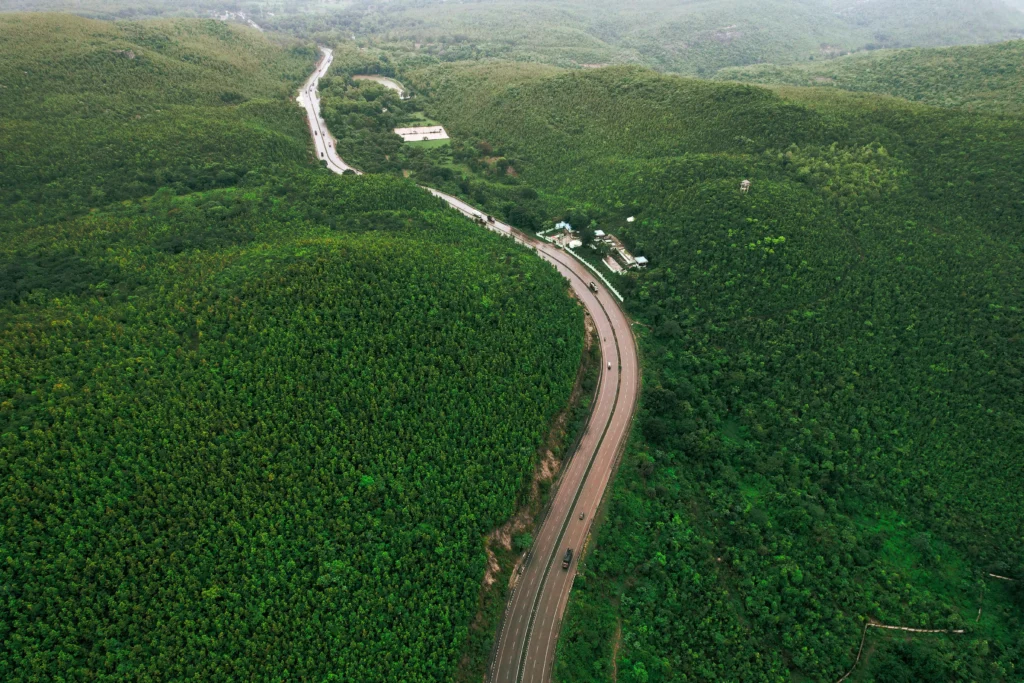
If you are looking to escape the concrete walls of Bhubaneswar without driving for hours, Jhumka Dam and Reservoir is your perfect place to visit. Located on the edge of the Chandaka-Dampara wildlife sanctuary, this spot offers a good mix of calm blue waters and dense green forests. Fresh air greets you here, away from the usual rush found across Bhubaneswar’s tourist spots. Calm settles in where crowds often spill near the city.  

Jhumka reservior

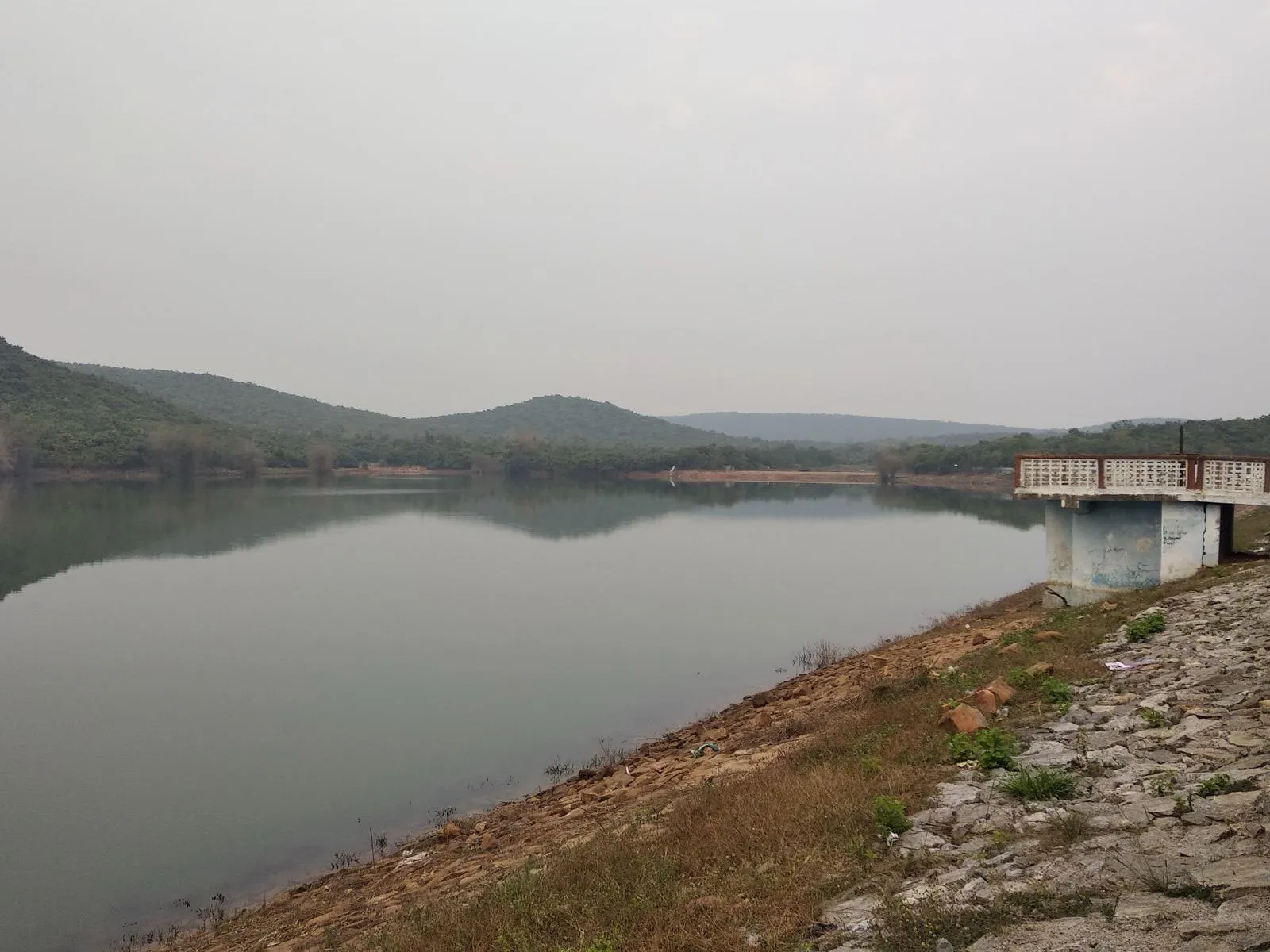
This dam is a minor irrigation project built on the Jumuka Nala, which is created as a tributary of the Kuakhai River. Construction finished on the dam in 1973 ,and because of its  beauty  the dam became a  favourite for nature lovers and travellers.  

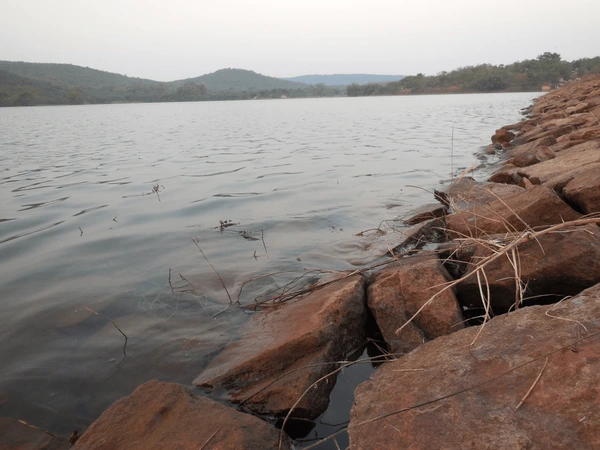
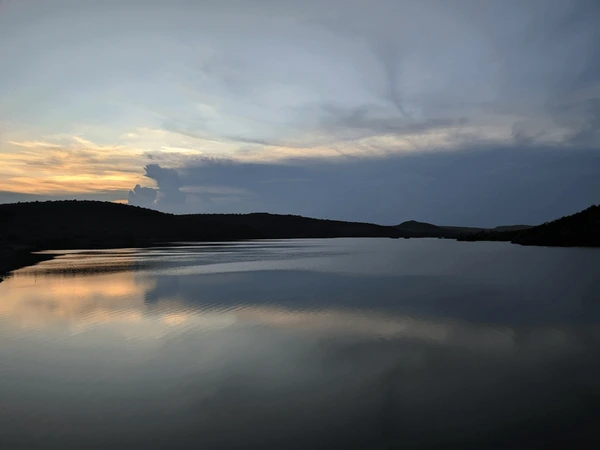
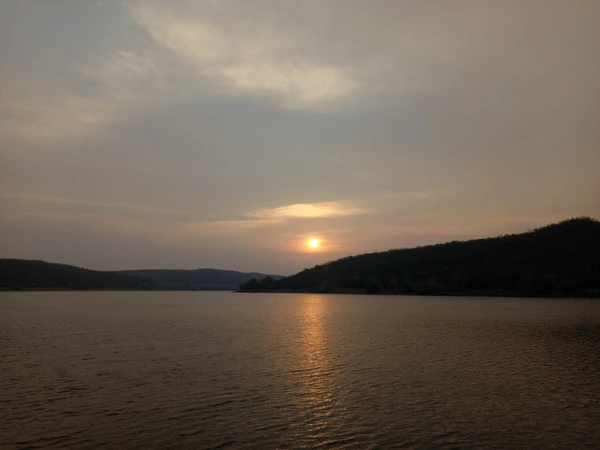
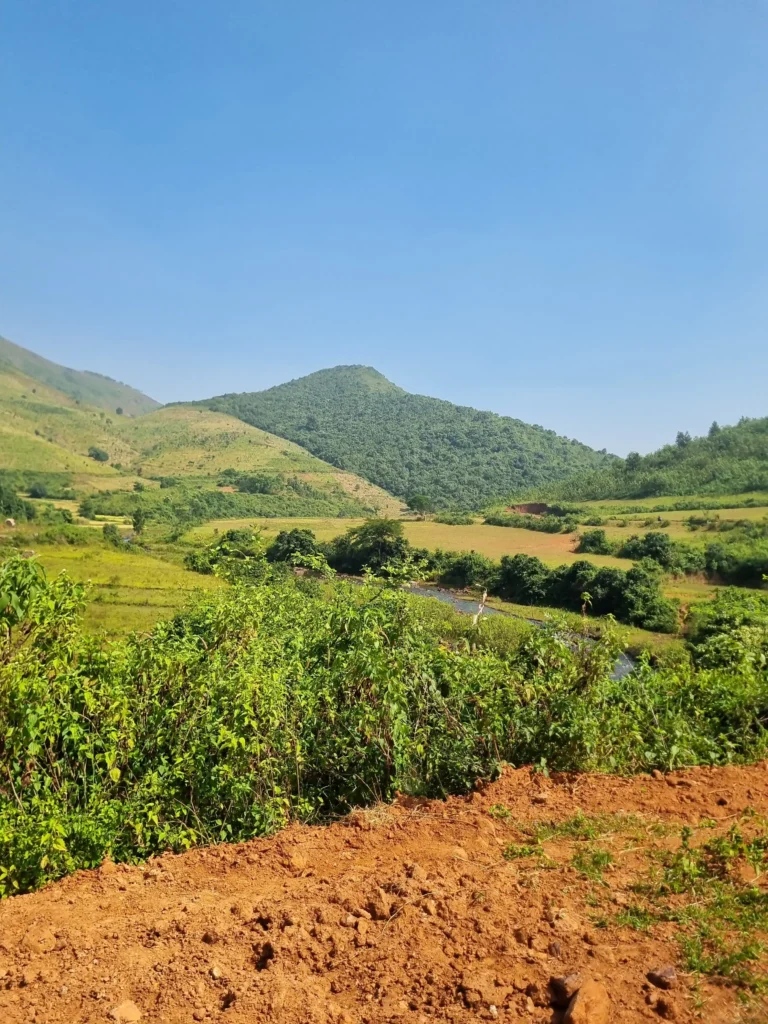
  • Scenic Views: The reservoir is surrounded by hills and forest. In daylight the dam looks more beautiful and natural.
  • The Double Dam: Jhumka sits near Deras Dam. One glance shows why people come here often. Seeing both spots takes little time at all.
  • Right where the dam meets wild land, feathers stir at the shoreline. A quiet spot, alive with chirps and splashes. Birds claim this edge, drawn by calm ripples and sheltered banks. Where concrete ends, nature leans in.
Jhumka
Jhumka dam

Things to Do in Jhumka Dam

Families often head here when the weather turns cool. Winter months bring more people to these open spots. December through February feels just right for staying outdoors. Spots are set aside so groups can spread out. This place gets busy when the sun shines mildly. Frozen light at dusk paints everything soft – Jhumka holds still for that moment. Moss clings bright on old stone, colour waking up when shadows stretch long. Sometimes, if the timing works right, animals step out of the trees across the way and come close to drink. Families with kids might like Jhumja Eco Park. Just around the corner sits a green space full of plants. This mix creates calm vibes for parents and little ones alike 

Best Time to See Jhumka Reservoir

Visiting Jhumka Dam changes depending on the season you choose. The gate stays unlocked every month, yet each stretch of calendar brings something different. When winter shows up, the air turns crisp, perfect for walking near the water.  When winter arrives, from October to February, visitors show up in large numbers. Cool temperatures make daytime picnics comfortable. Birds on the move start appearing here during these months. Spotting them becomes easier when they settle into the region. Right when the rains stop – September or October – is when the lake swells fullest. Right then, the water stretches wider than usual. You see more life in the trees, thicker leaves, fresher air. This time gives a clearer picture of nature recharged.  

Getting to Jhumka Dam and Reservoir

Finding your way to Jhumka Dam works out fine when you start from Bhubaneswar. Out of Bhubaneswar: about 25 to 30 kilometres away. Best transport is to use a private vehicle or bike.  

Opening Timings

Each morning at 8 AM, Jhumka Dam welcomes people until 6 PM in the evening. Open daily, the reservoir stays accessible through late afternoon hours.

Nearest Bus Stop

Baramunda Bus Stand serves Jhumka Dam - roughly 18 kilometres off the mark.

Nearest railway station

Bhubaneswar railway station sits closest, roughly 18 to 20 kilometres from Jhumka Dam.

Nearest Airport

Bhubaneswar's Biju Patnaik International Airport sits roughly between 20 kilometres distant. That terminal happens to be the nearest one available.