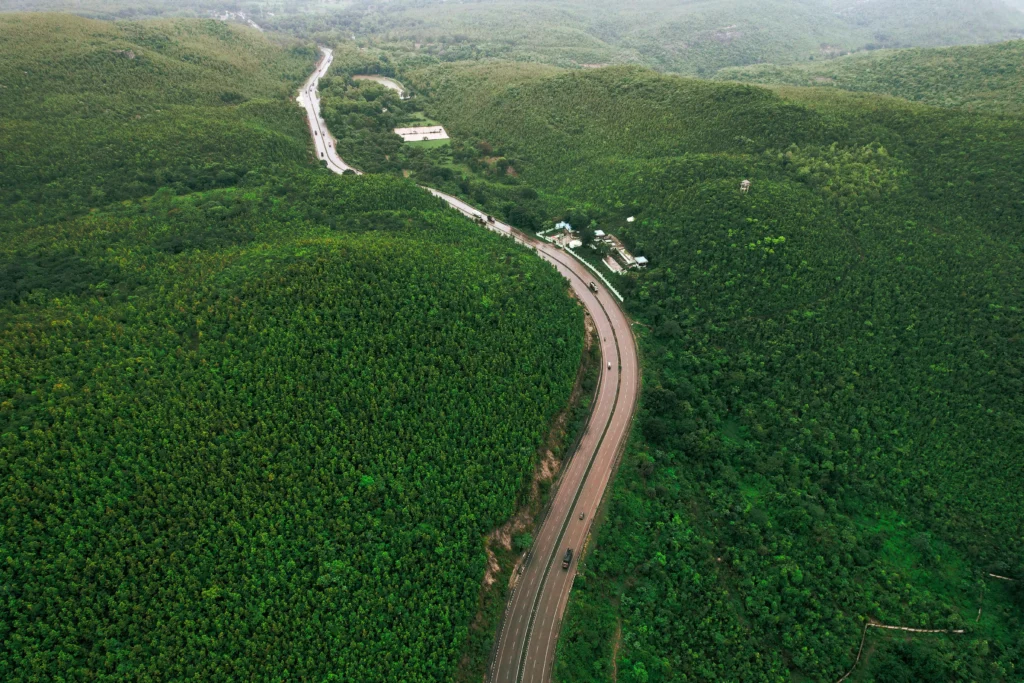
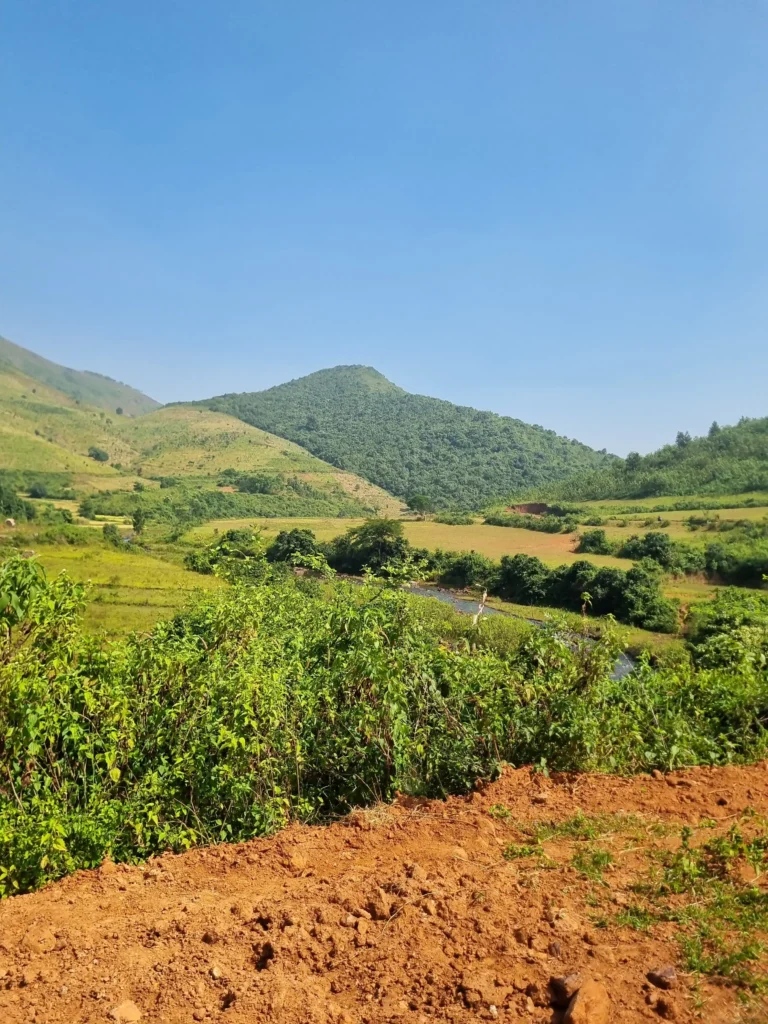
Travelling west from Balasore on the highway, as soon as the flat land rises up, you will have a clear view of the mountains of Swarnachuda in the distance. This area is known as Nilgiri Odisha. Located at the base of these breathtaking mountains is Khumkut Dam. It is an enormous body of calm blue water that actually appears to mirror itself. Why does this body of water exist? Because it captures seasonal rainfall from the direct above steep gradient of the Nilgiri Mt. at Balasore and delivers moisture for cultivation to rice fields once it has time to travel through the land to the crops, especially in the dry periods of the year.
Due to being in the shadow of the mountain during the day-long June sun, according to local sources, the water remains cool enough that on a hot May day, the temperature is lower than expected. The morning mist rising from the lake and the trees where the lake meets the forest create a simple yet beautiful sight that continues to provide what was needed for this area of the world to exist.
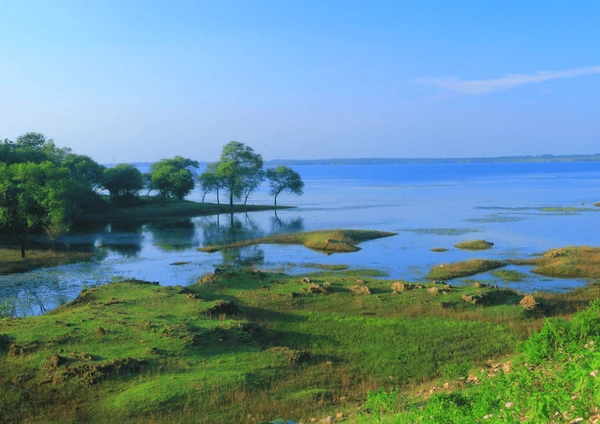
Table of Contents
ToggleThe location of the Khumkut Dam in Balasoare speaks of the dramatic geography surrounding it; on one side of the dam are the rocky cliffs of the Nilgiri Hills, and on the other side, thick forests of sal and teak. I had the good fortune of visiting in January last year on a very tranquil Sunday; the air was so pure it felt like a refreshing beverage for my lungs as I walked along the stone embankment gazing down into the depths of the water. Knowing just how much water was being held back by these massive stone walls can make one feel quite small; yet, when surrounded by such magnificence, it brings great joy and serenity.
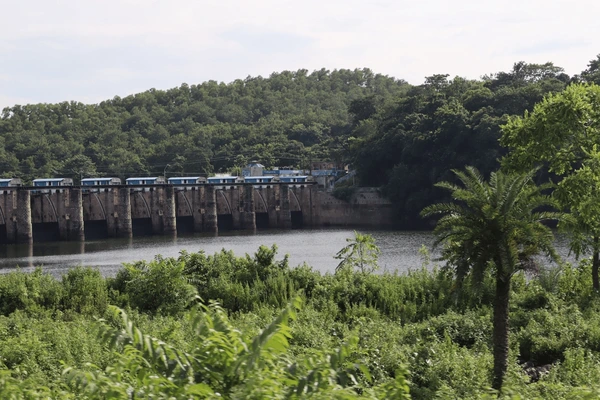
Khumkut is a popular place for family picnics in Balasore. It is an important part of Balasore tourism for those who want to get away from the sound of the city. There is a very simple, traditional culture here. You will not find large stores, loud music, or many people. There are families from the town of Nilgiri and the city of Balasore sitting on the grass enjoying a quiet meal of “dahibara” or “pakhala.” People generally have a slow, smooth walk and speak softly; they merely indicate where to look for hawks flying in the sky above the mountains. The local villagers have a quiet pride in their community. They treat the dam like it is their backyard and will use small body movements to indicate when to keep away from the deep, slick part of the spillway.
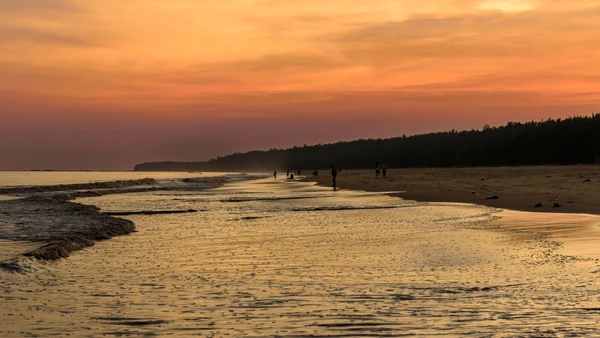
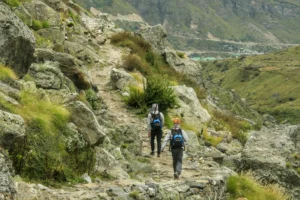
The best time to view the Khumkut dam is between November and February. During summer months, especially during the hot sun of Nilgiri, Odisha, the rocks can become too hot and burn your feet; therefore, it is best to wear sandals that have some traction. The terrain is rocky and will be somewhat rough as you follow the paths around the reservoir. I recommend bringing water and a few snacks with you from Nilgiri, where there are no food options available at the dam location. Once you find a flat rock on the water near the shore, I suggest sitting quietly and watching the sun go down behind the Swarnachuda hill and simply being present. This area demands very little of you other than your sincere acknowledgement of the earth.