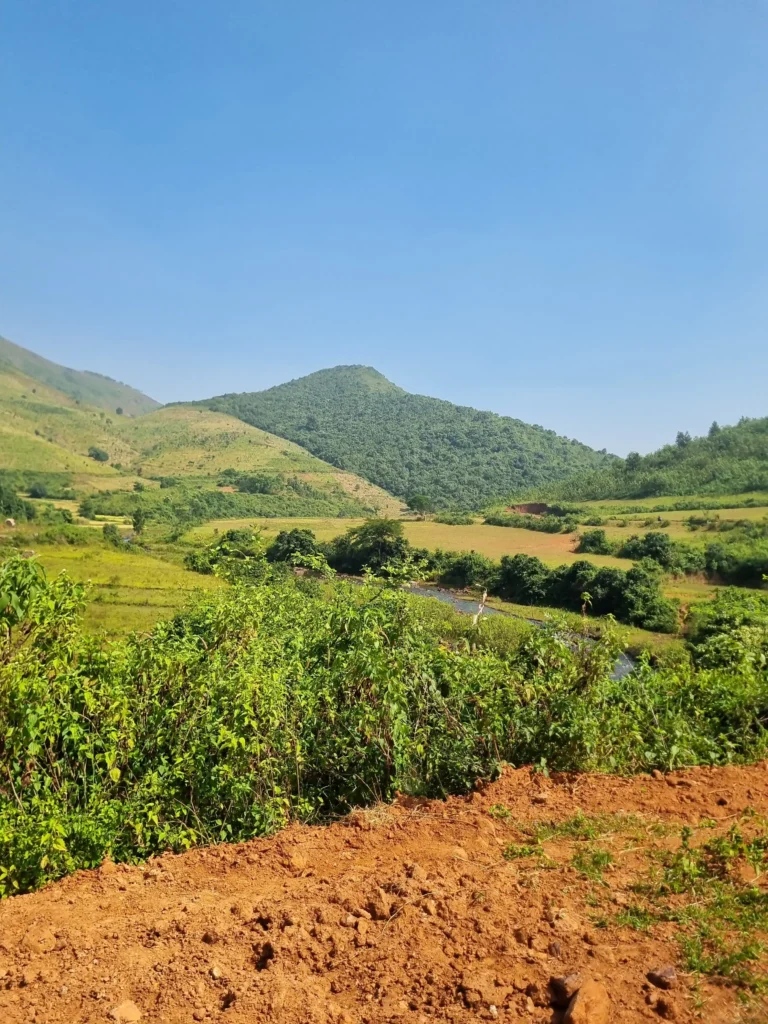
Kuruma Buddhist site is an underrated gem. It’s not a widely popular destination which makes it perfect for a peaceful retreat. This place is mostly visited by people who pass through Konark. People who pass Konark through a lot of times turn toward this side. Kuruma Buddhist Site is located in the beautiful region of coastal Odisha. The place feels free in a sense, beautiful and vast open land, broken stones, strong winds gushing through long green grass. That’s the first impression you get from this place, beautiful and free.
As you get closer, you tend to notice the bigger picture. This is just not any random ground, there is so much history to it. This place is the protected Kuruma Buddhist archaeological site.
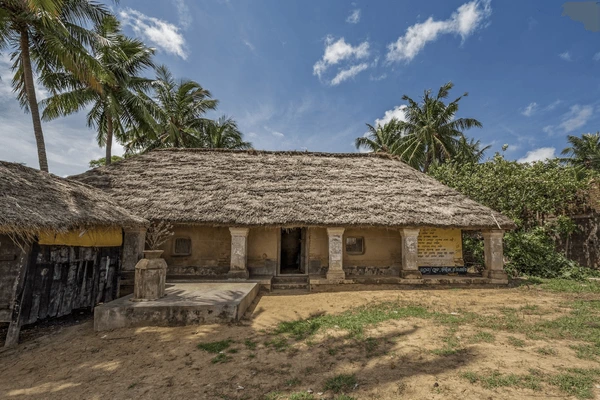
Table of Contents
ToggleLong before temples became the majority here, this place was mostly filled by the monks. What historians now call Kuruma Mahavihara was once a large centre of learning. A place where monks exchange ideas, stay, walk and study. They would also gather together for prayers. It’s a beautiful gathering of monks.
A lot of archaeologists describe it as a major Kuruma Buddhist monastery. It was very well connected to trade routes and very well connected to other learning centres as well . This monastery was very important. It is often mentioned as an Ancient Buddhist site near Konark. It might not be very famous, but quite fundamental towards the history of monks and Monasteries.
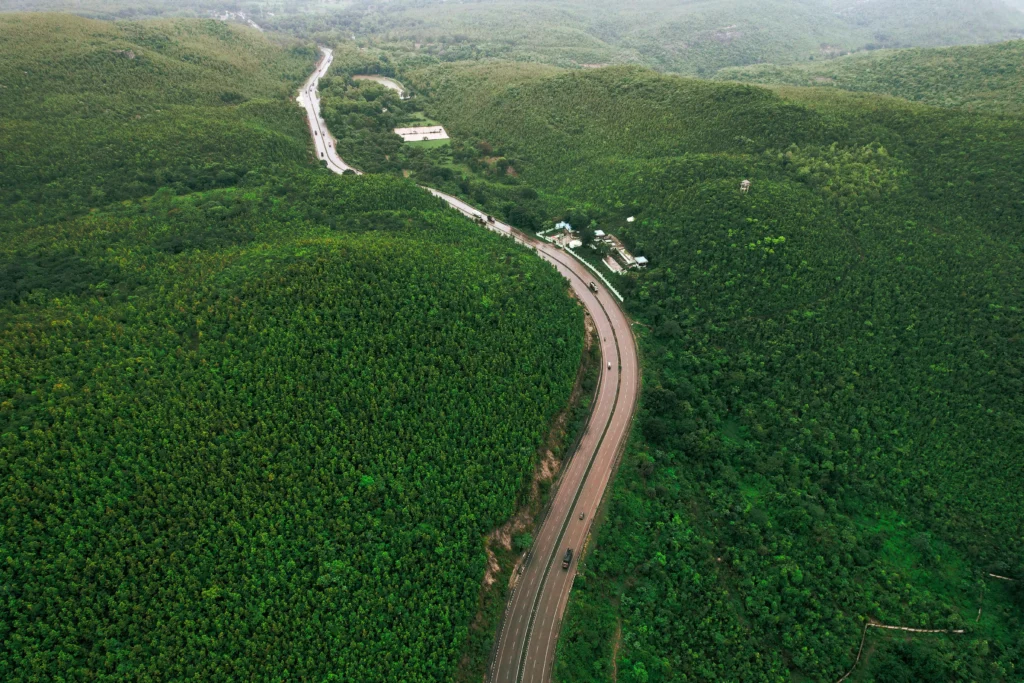
Kuruma is situated in Odisha which lies in district of Puri. It’s in the rural side with beautiful fields, various small houses and the most blue sky you’ll ever see. Maps mention it as Kuruma Puri, but on ground, it feels like village land. Nothing grand around. People also say Kuruma near Konark, because that’s the easiest reference which is about ten kilometres depending on the road and the weather during that day. You can hear birds more than vehicles.
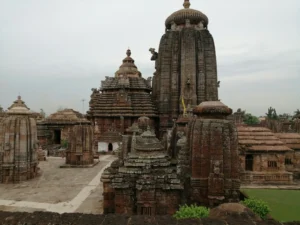
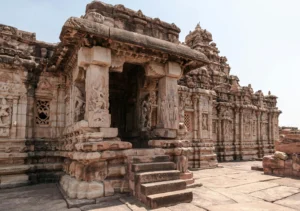
There is not much remains of this structure in the present times. Just some stone bases, broken sculptures, buddha figures without full faces. Brick lines under soil. Enough to confirm the identity as a Kuruma Buddhist heritage site. Villagers call it Kuruma temple, Odisha. That Buddhism was strong here once. That coastal Odisha was not only temples and kings but also monks and Monasteries. The Kuruma Buddhist archaeological site stands as evidence. Not explained on board much but the history is written into the stones.
You can always visit this place in the mornings as it works better or maybe late afternoon because of less heat and softer light. The best time to visit is October to February. Summer gets heavy, the Stones heat up and the shade is limited. The Monsoon makes the ground slippery. Winter stays calm.
Kuruma Buddhist site doesn’t compete with monuments. It doesn’t ask attention. It remains as Kuruma Buddhist monastery ruins, as the Mahavihara memory, as part of what once shaped Odisha. People looking for silence find it. People looking for history stumble upon this once marvelous site who’s almost turned into ruins.