Have you ever felt the sky changing even before you have seen the sea while driving down the highway from Bhubaneswar to Puri?
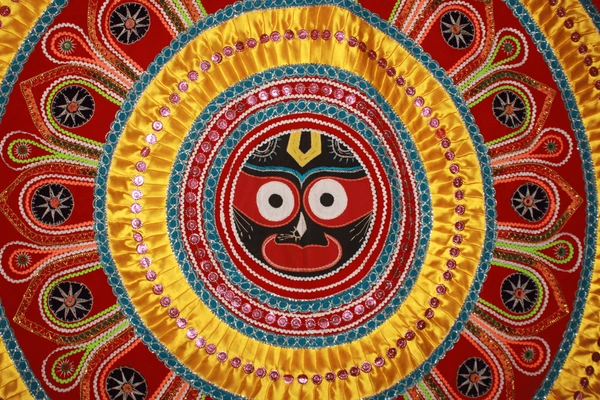
At only 20 km into your trip, the bleak road gets a sudden splash of red, yellow, and dark green. This is the place of Pipili. It is exactly halfway and you can’t miss the huge, colorful clothes that are hanging outside every shop and waving in the wind. This is where Pipili Chandua, a craft that has nearly a thousand, year, history, came from. It is far more than just a fabric. It is the glory of Pipili handicrafts.
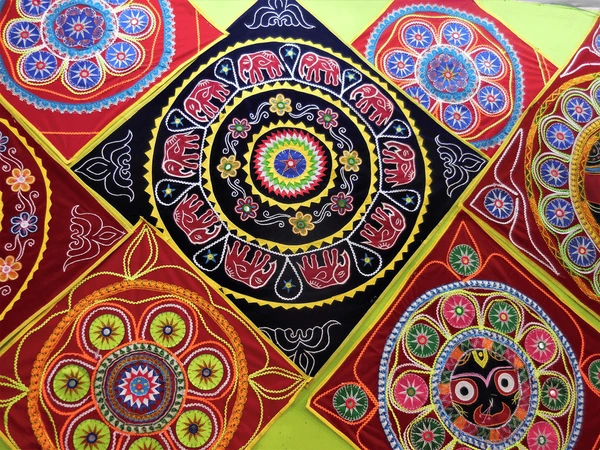
Table of Contents
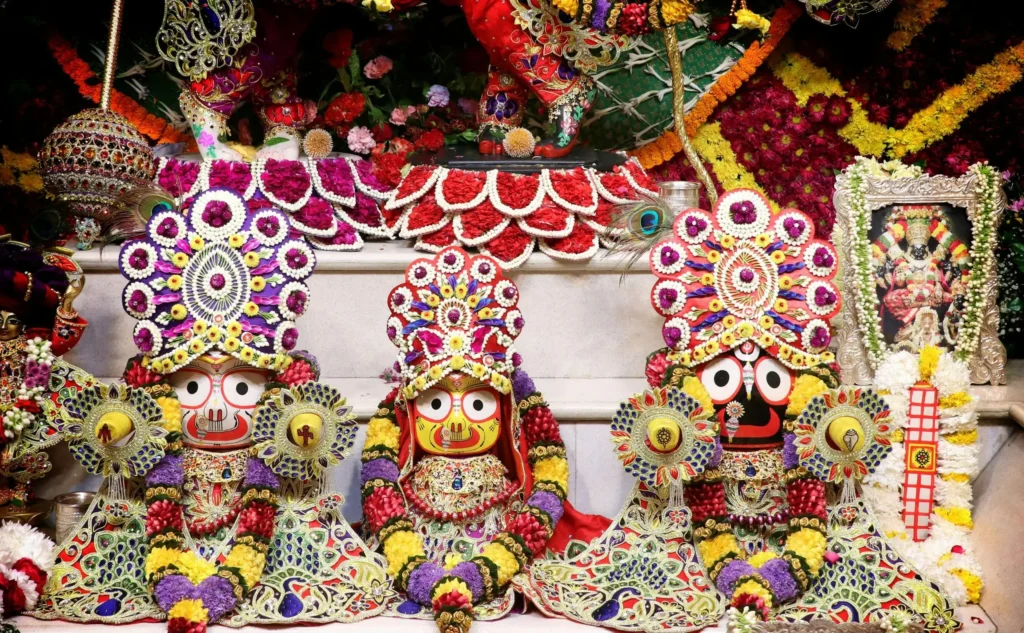
ToggleThe tale of Chandua is traced back to the Lord Jagannath temple. Historically, the kings of Odisha selected this village for making the heavy covers of the chariots of the Rath Yatra. The craftsmen here do more than sewing; they worship with their needles. It is internally believed that each stitch is a layer of protection from the sun and rain for the gods. And that is precisely why Pipili applique work is so powerful and striking.
The seamstresses apply a very extraordinary technique in which they stitch one piece of fabric over another. And this is well known as the Applique work of Odisha. When you glance at the huge chariots coming down the streets of Puri, picturize that you are watching the labor of the Pipili people.
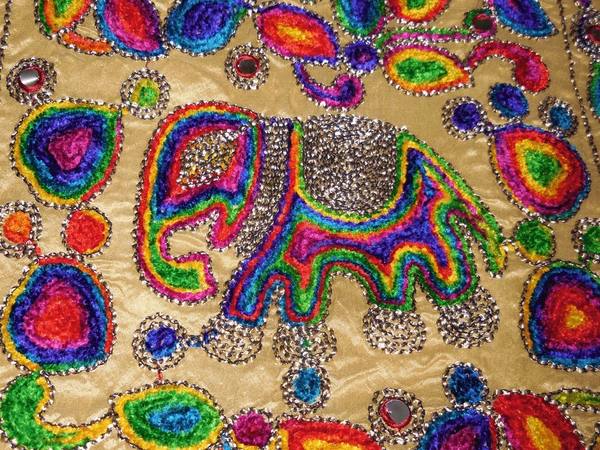
If by chance you are just strolling through the narrow lanes that go to the back of the main shops, the noise of the outside world will be left behind. You will come across ladies and gentlemen seated on small wooden stools. They don’t run big machines. The whole work is done with the help of small scissors and thin needles only. A Chandua pattern is basically a depiction of nature’s elements.
You will see elephants with their trunks turned up, peacocks dancing, and the many petals of a lotus flower. Each handcrafted Pipili Chandua pattern is uniquely made. Generally, it is a thick cotton fabric called Gada. Apart from stitching the shapes, they also fix small mirrors on the garments. The mirrors bounce the light and shine like stars. These mirrors bounce the light and sparkle like stars. The locals call this Chandua pipili and it sounds nice to say it.
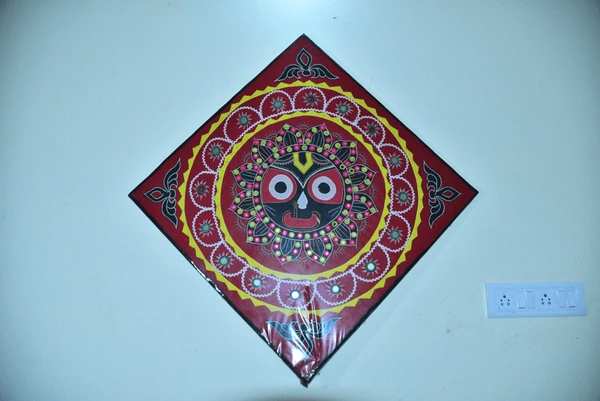
The cultural atmosphere of Pipili is busy but quite beautiful. When you stop to look at a piece of Chandua, the seller isn’t going to just try madly to sell it to you. He’ll even show you the back side of the cloth for proof that the stitches are very tight. Since the sun in Odisha is very hot, he might even give you a glass of cold water. Here, the art is highly revered.
Even the tiniest children can cut a cloth leaf or a flower because they have been watching their family tradition since they were babies. It is as if they have colors in their skin. They are not rushing to finish. They want their work to be flawless as it is the reflection of their home.
When you get away from the noisy traffic on the highway and come into the little lanes of the village, you will hear a very unique sound. It is the “clack, clack” of heavy metal scissors hitting wooden tables. In practically every house, you will see three generations living together. The grandfather may be drawing the Pipili Chandua design with a piece of chalk, the mother is cutting the fabric, and the little daughter is doing the fine needlework. It is the rhythmic, homely sound that allows you to realize that Pipili applique work is not the product of factories; it is the work of bedrooms and courtyards.
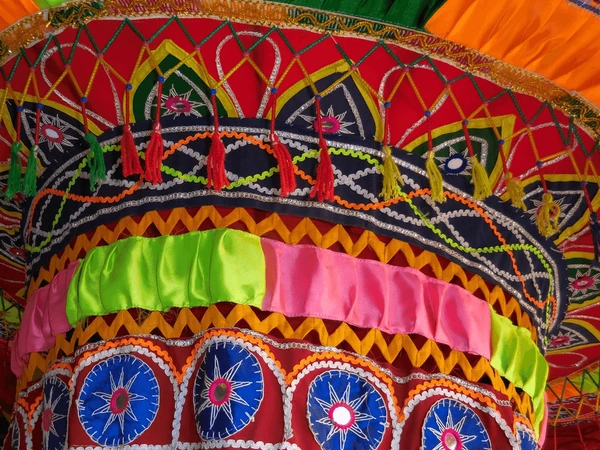
Today, one of the most popular items among the Pipili handicrafts is the big, folding garden umbrella. At first, these were only used to cover the idols of gods during the processions on the street. Tourists enjoy purchasing these for their places, but they weigh a lot! In case you get one, request the shopkeeper to explain to you how the wooden locking mechanism operates. It is a straightforward, old, fashioned type that does not involve plastic or modern springs. It is somewhat clunky and reluctant, but it gives you the feeling that it is honest and strong when you hold it.