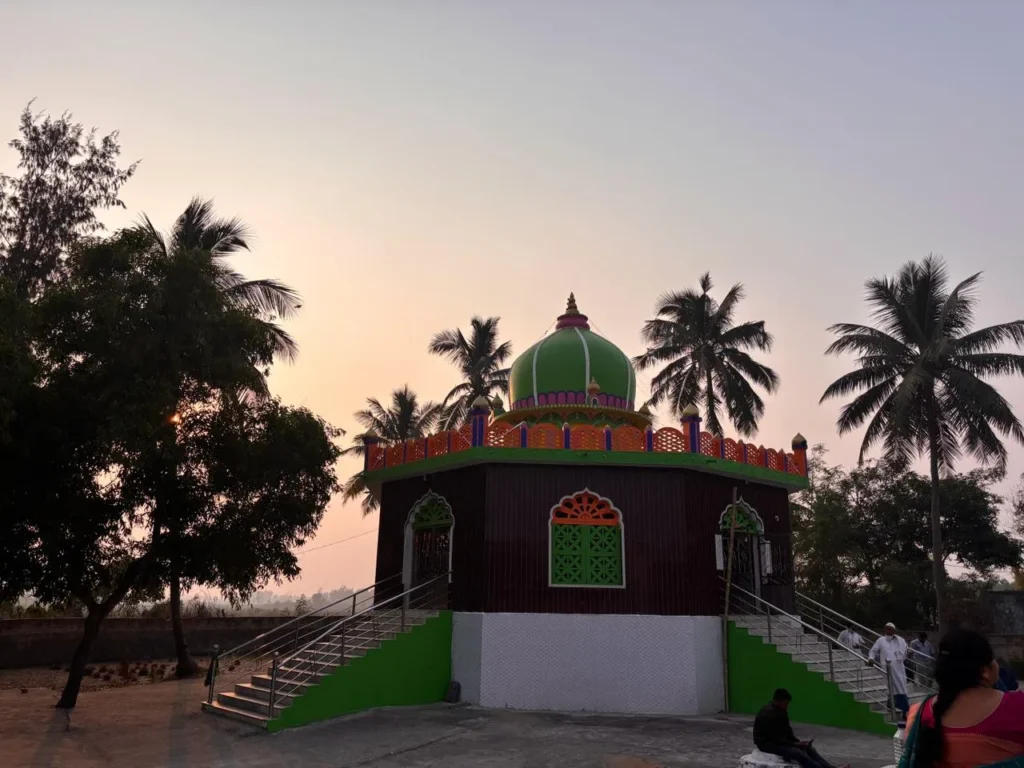
The coastline of Odisha is filled with temples, beaches and stories but the ability to blend spirituality and nature is so harmoniously done at Ramachandi temple Puri. Located on the sea and adjacent to the river, this tranquil site pays homage to Goddess Ramachandi, who sits above these lands. The temple is adjacent to the world-famous Sun Temple – however, you will find everything you need inside Ramachandi temple; space to stop rather than rush.
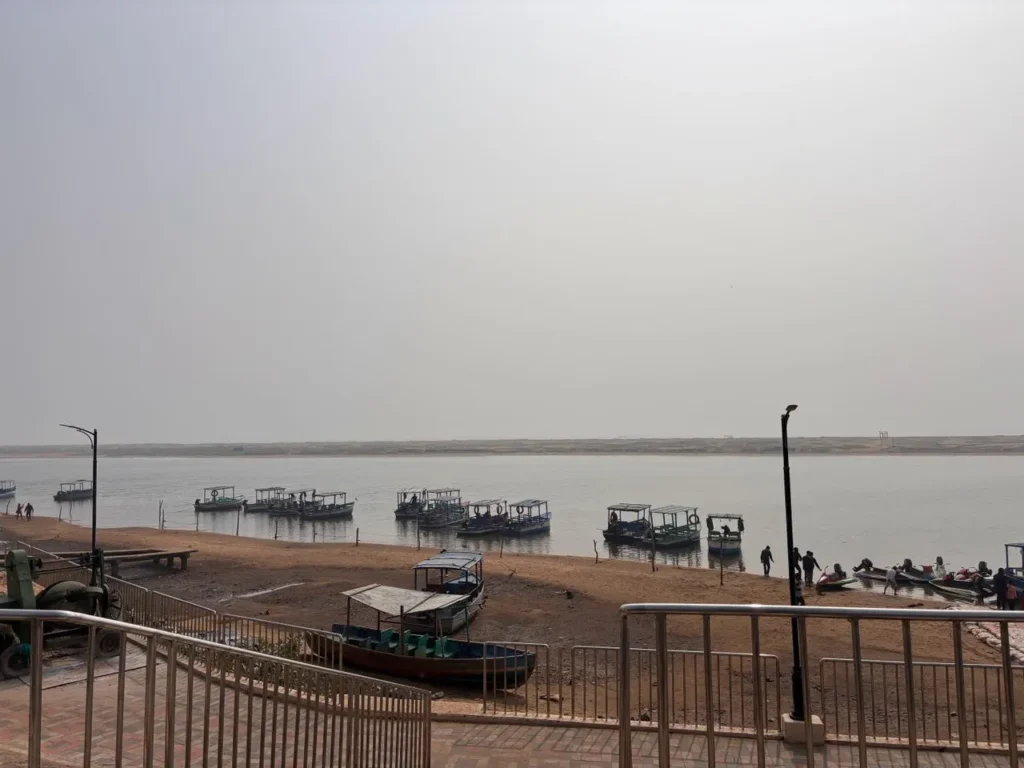
Table of Contents
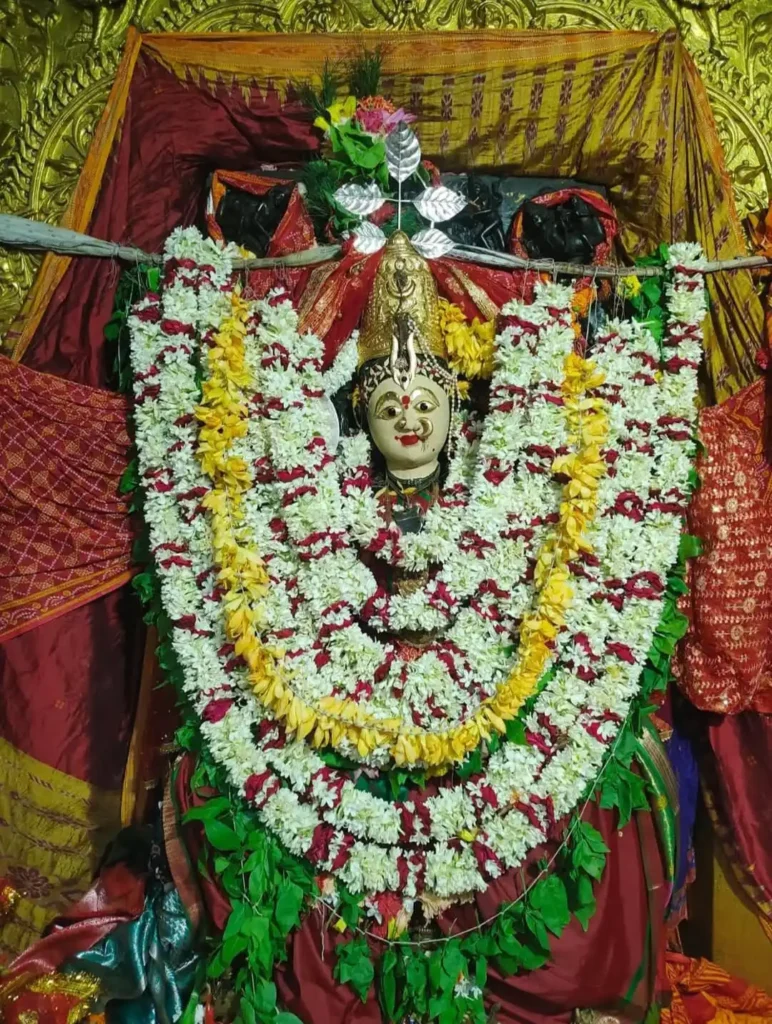
ToggleAccording to many locals, Maa Ramachandi temple is dedicated to a fierce, and at the same time benevolent, form of absolute purity goddess Durga. The people at Konark view her as the protector against the elements along the coast. She was invoked by sailors before launching their boats into the waves. The goddess also signifies the guarantee of safe passage back home no matter how far out to sea you have gone.
The goddess’ connection to tantric practices also greatly influences how the atmosphere inside Ramachandi temple shrikes in Puri. Despite her connection to the divine, there is a very soft energy that radiates from her every moment that is felt as you walk inside the temple.
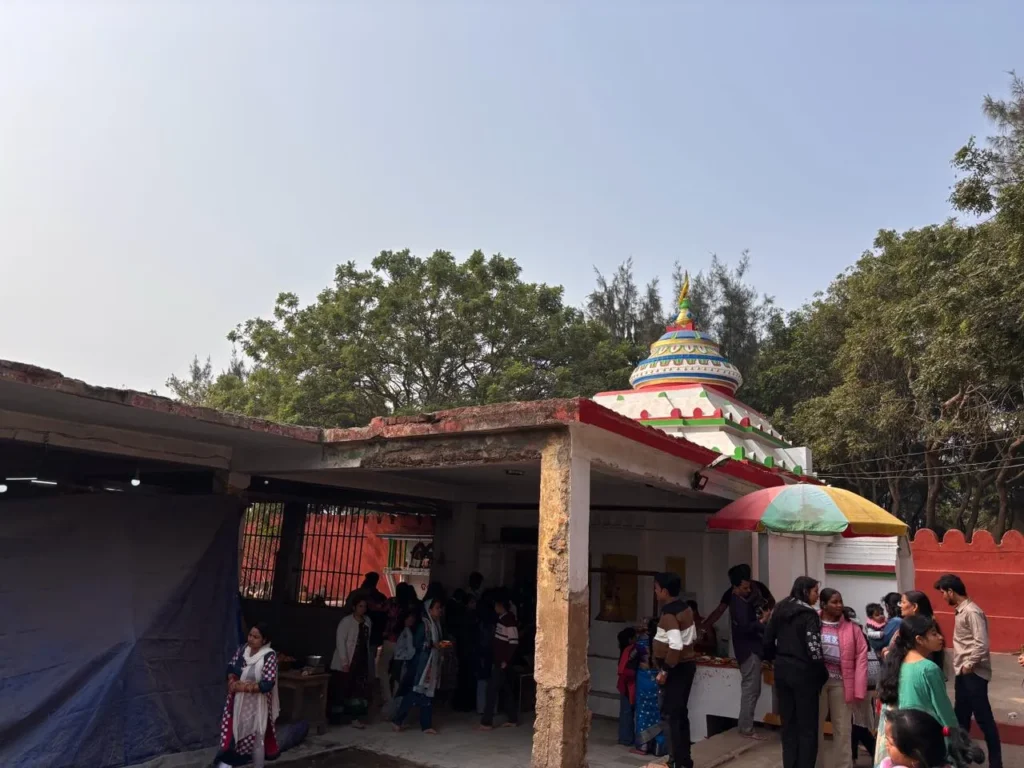
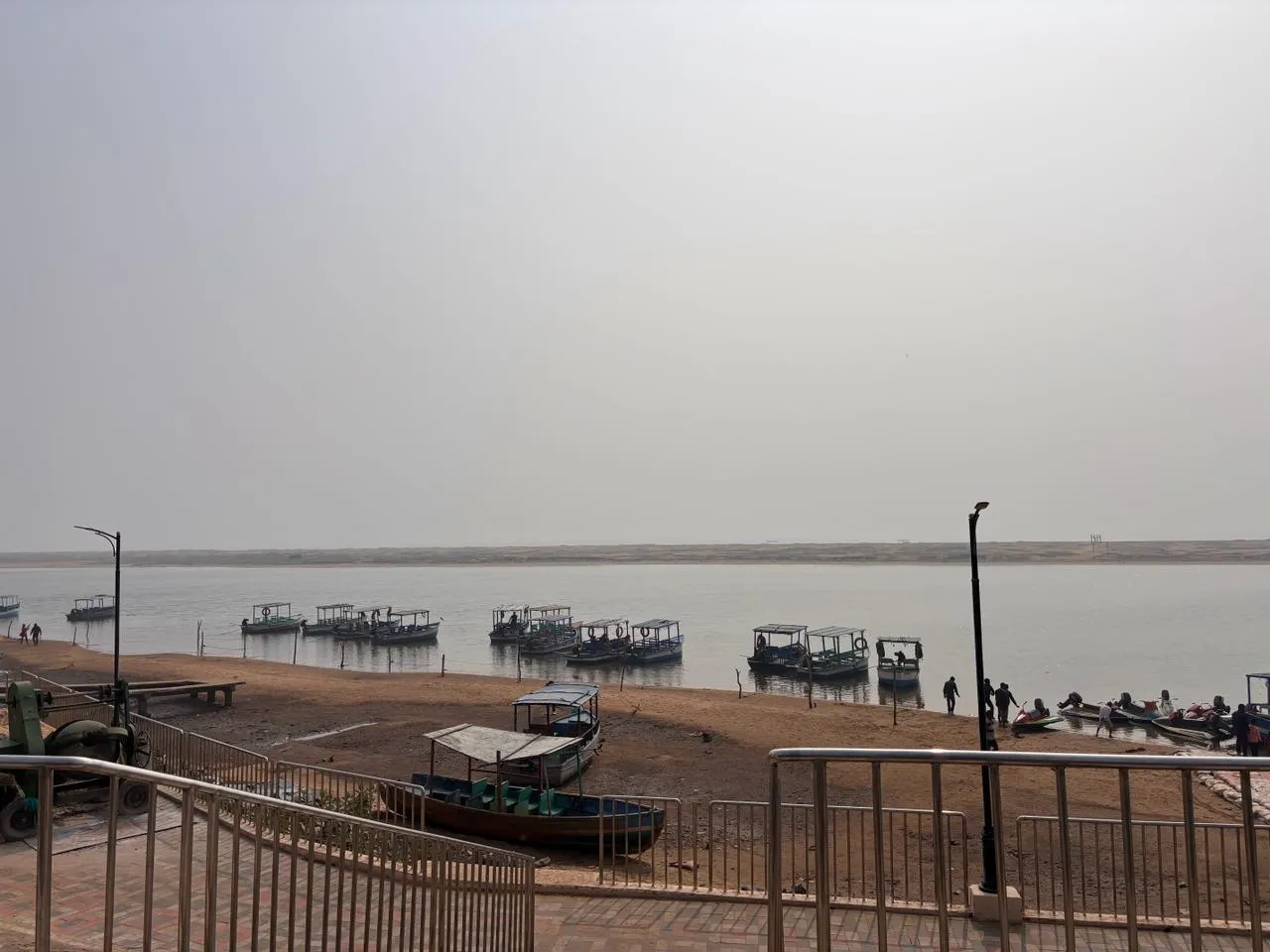
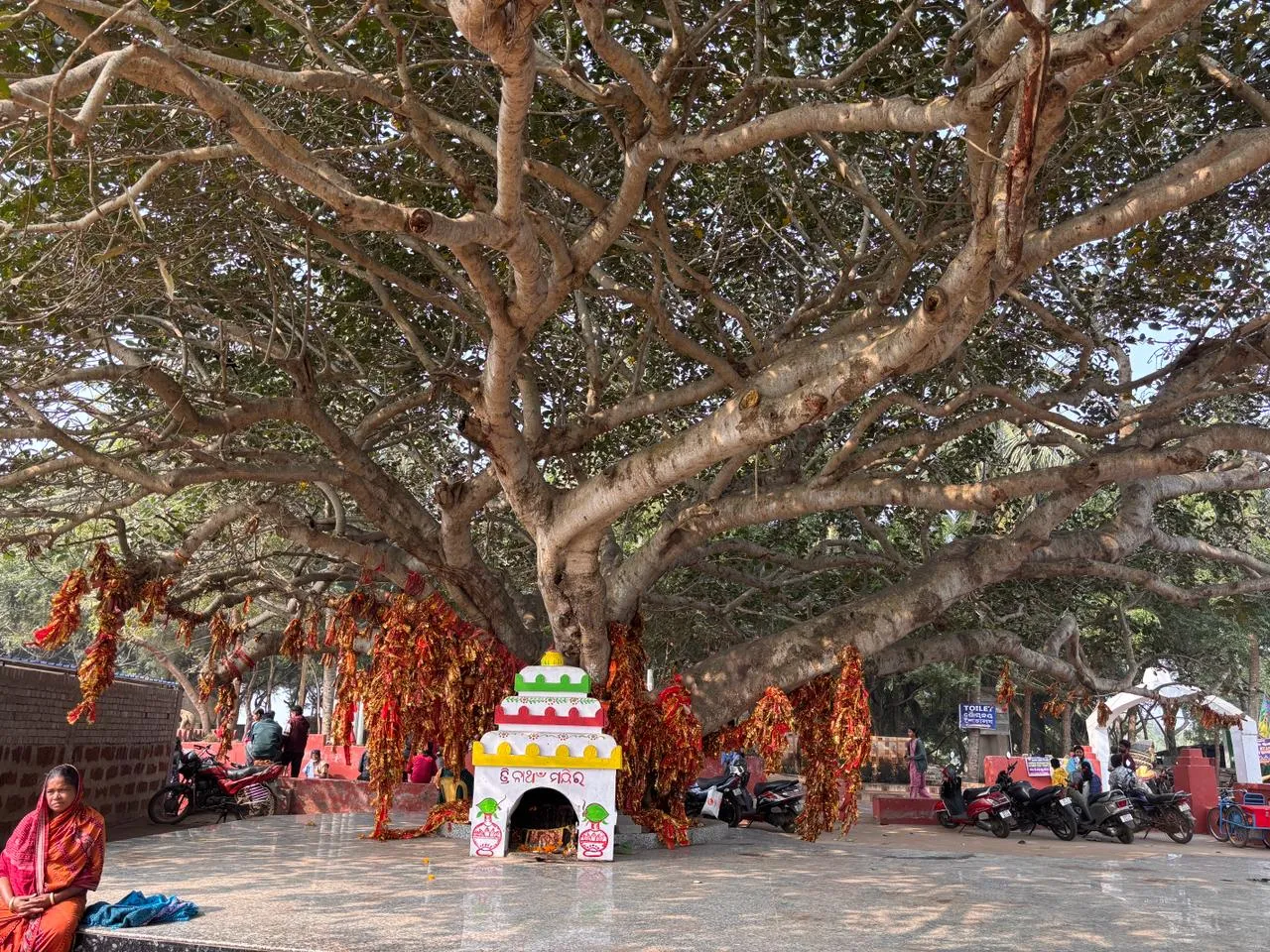
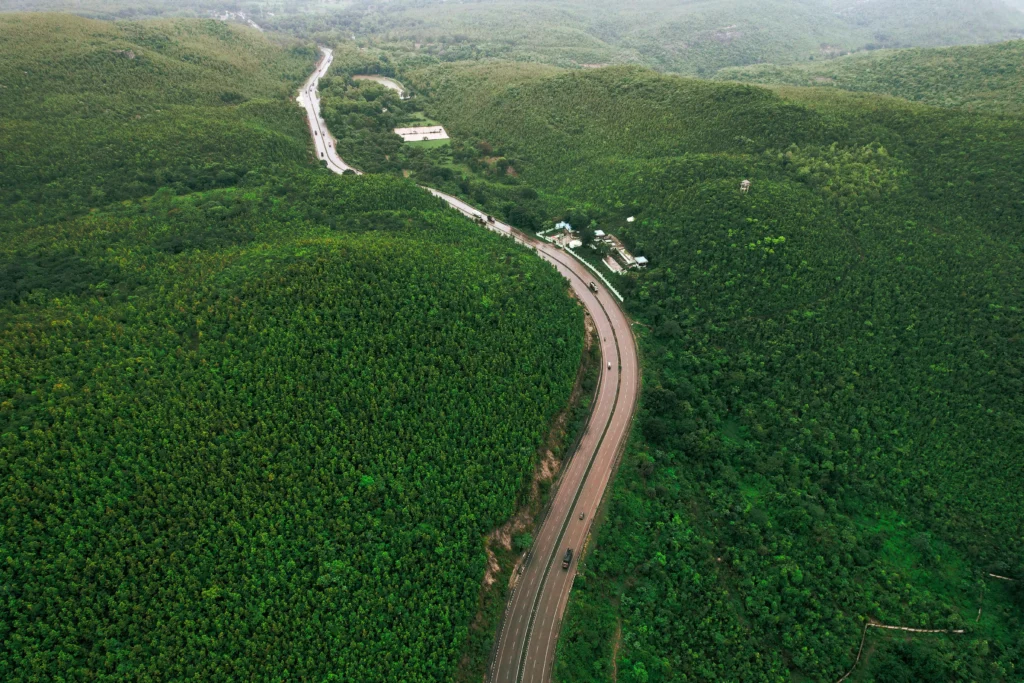
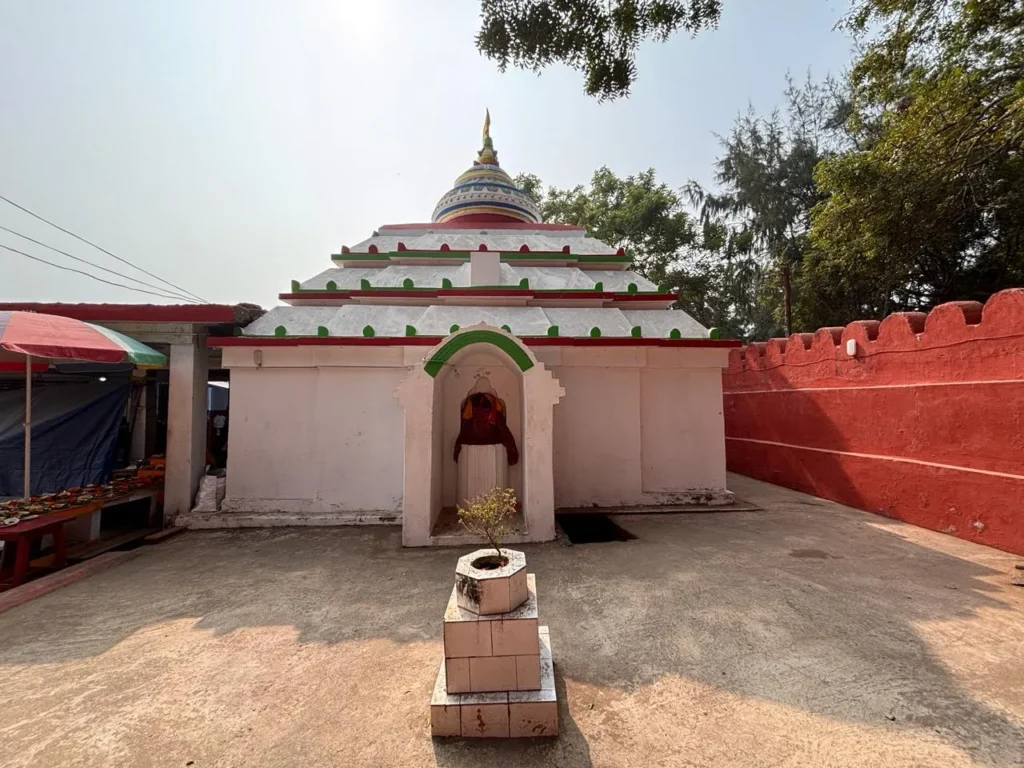
What makes Ramachandi Konark unique is where it’s located. The temple itself is located along Marine Drive, and depending on whether you’re visiting from Puri or Konark, you can reach it easily. Tall casuarinas stretch overhead as the sky soars above you with every step of your journey.
One common mix-up that people make is where exactly the temple is located; although it’s located along the water, many refer to the temple as Ramachandi temple Konark, even though it is much closer to Puri. This confusion adds to the appeal of wandering around to visit temples.
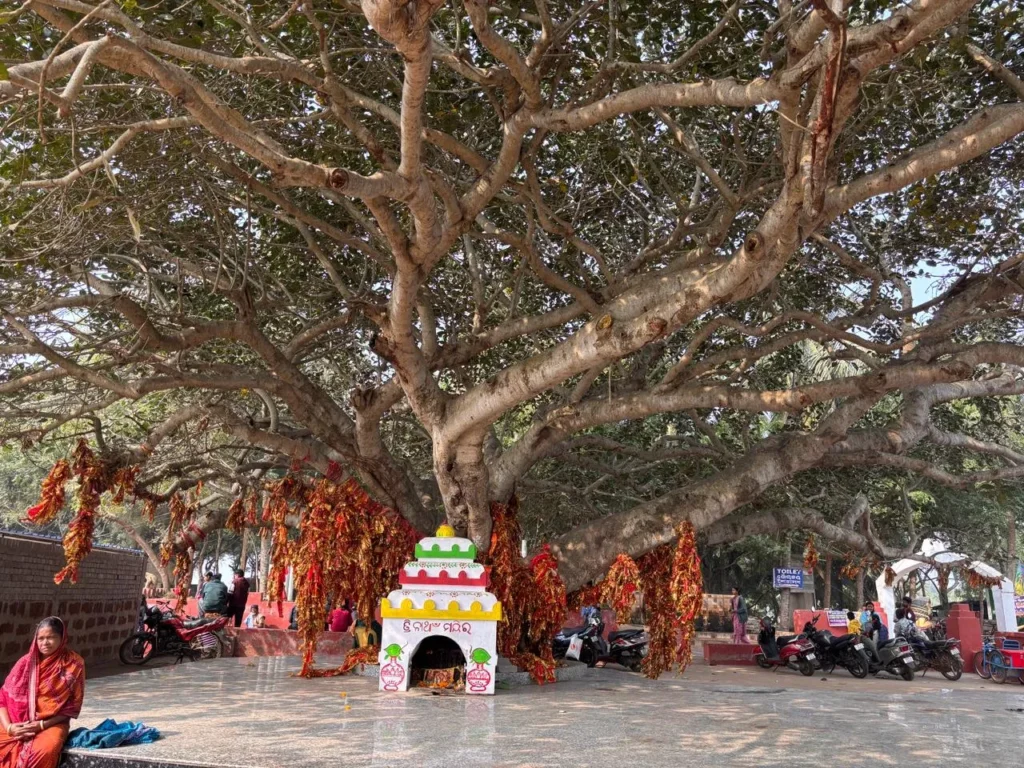
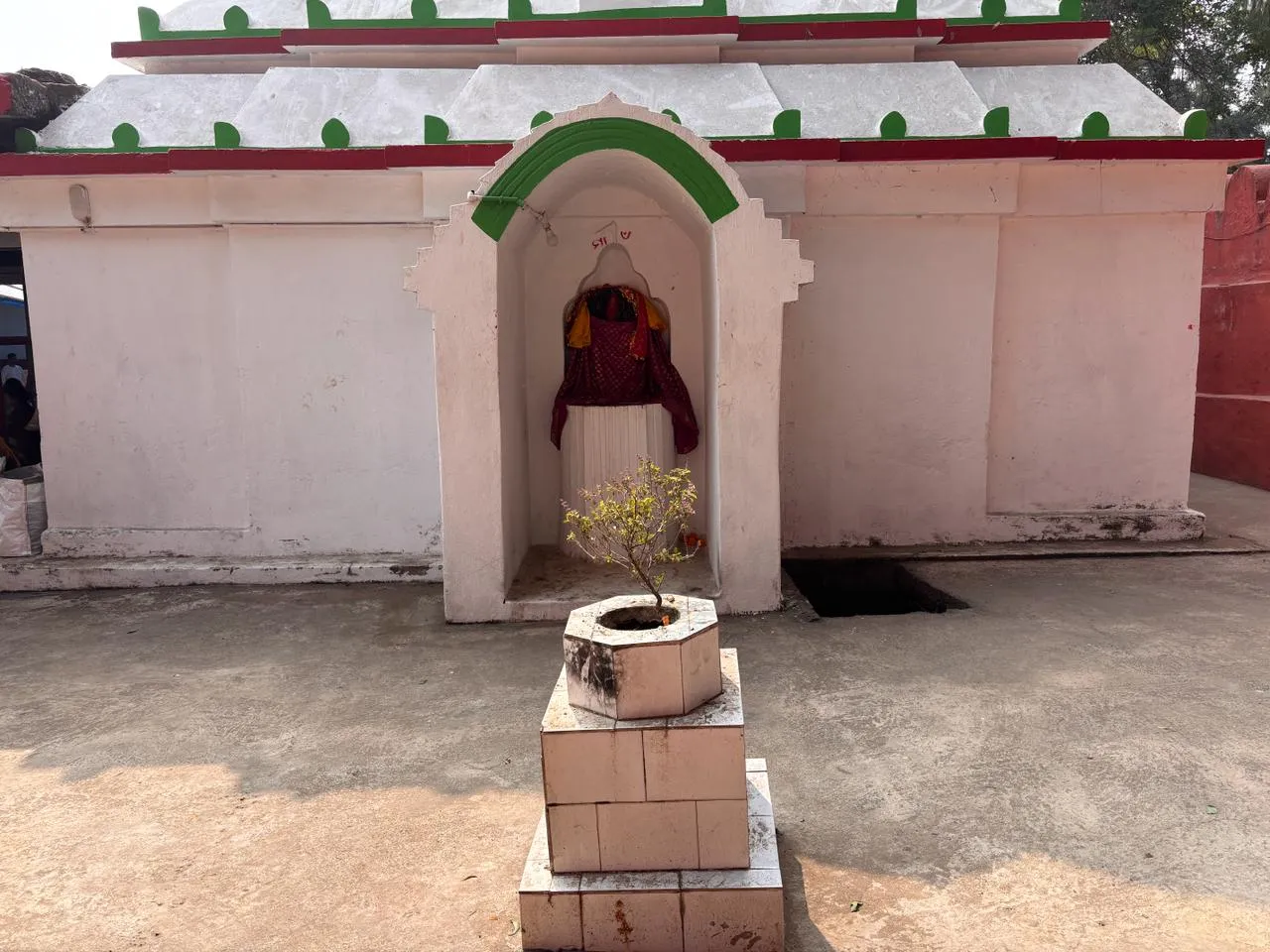
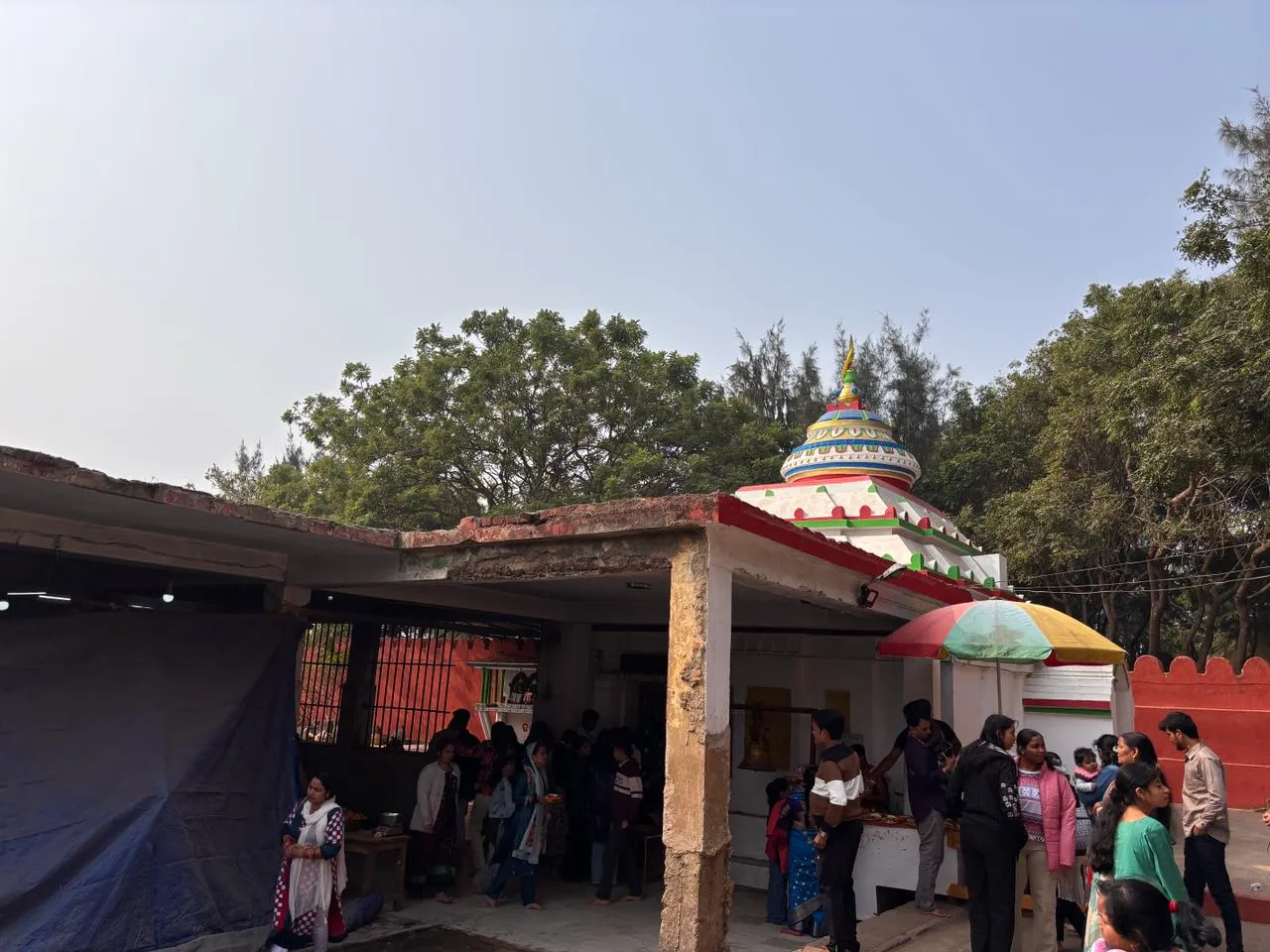
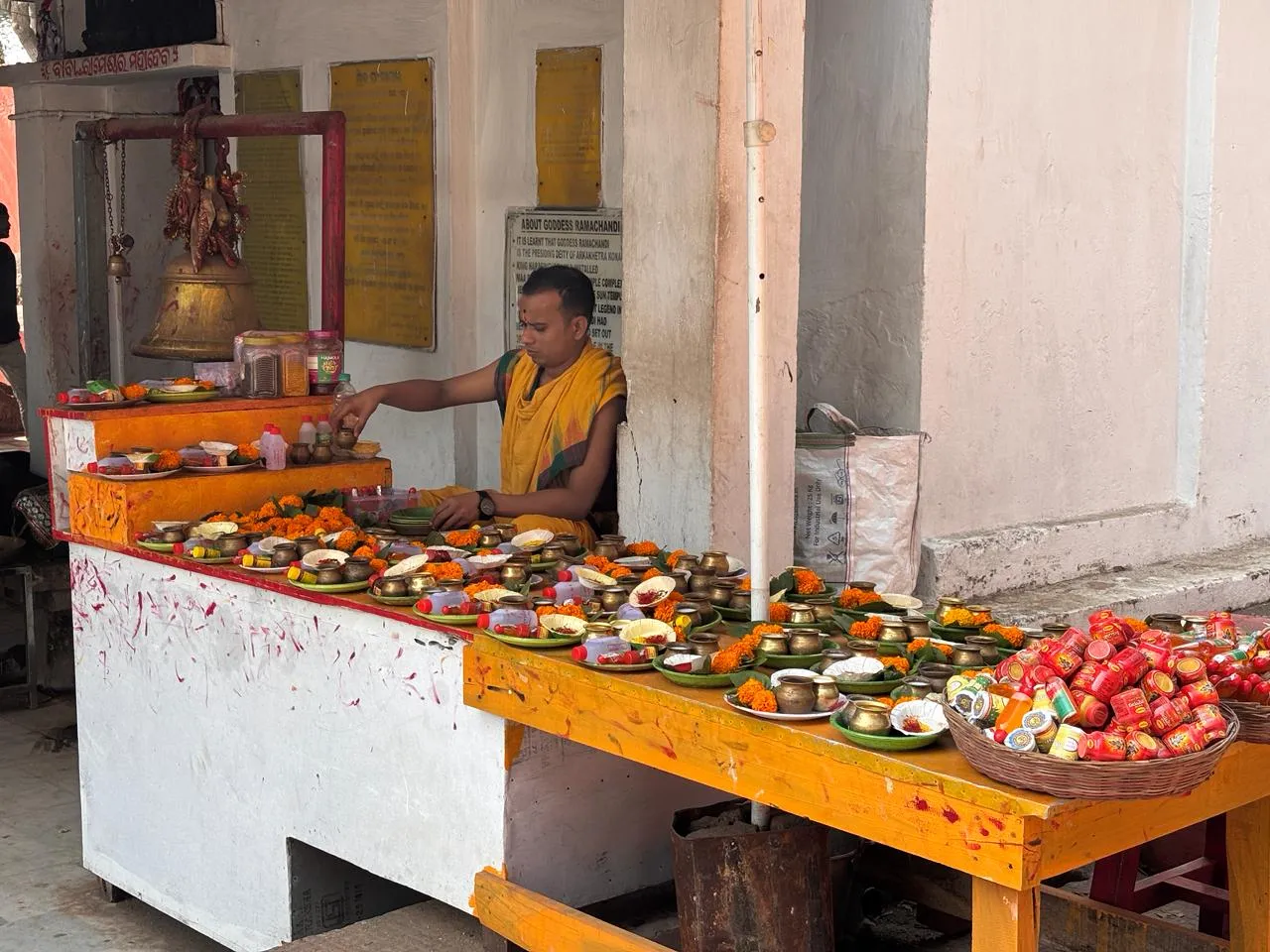
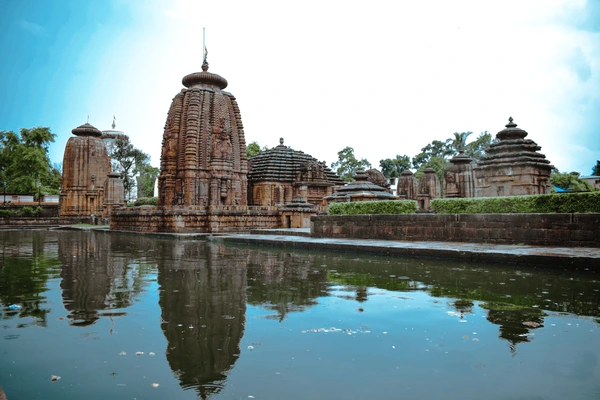
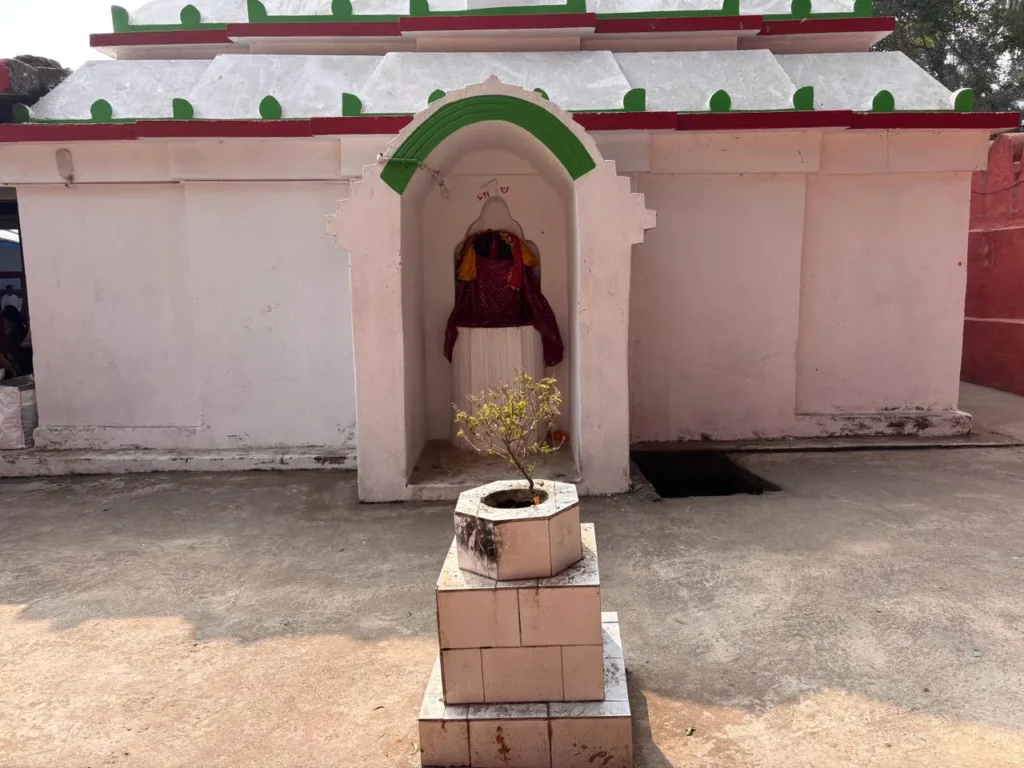
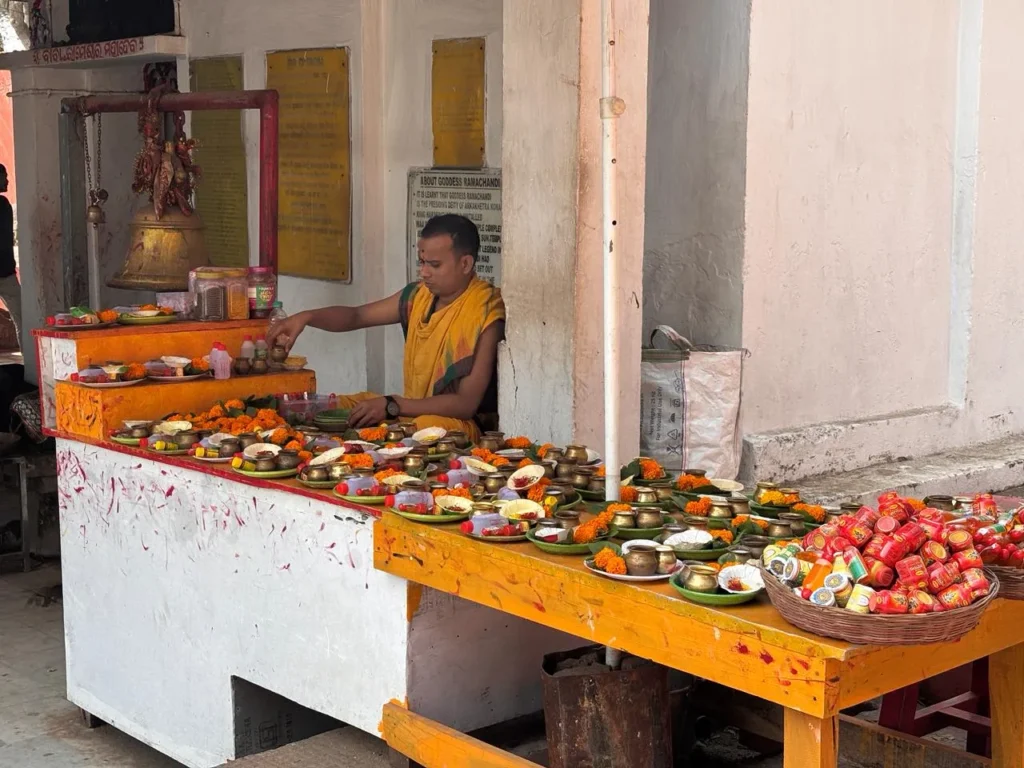
The Ramachandi temple in Odisha is quite simply and discreetly built using traditional techniques, yet the size of the temple does not detract from how close and personal you will feel while visiting. When there is great detail, the focus will be on the god instead of the beauty of the stone that has been used to create the temple. In addition to your prayers, you will also leave coconut, flowers or red powder at the shrine after your visit to the temple, while the smell of burning herbs, carried by the ocean air, will drift through the air and create an atmosphere different from most sacred locations.
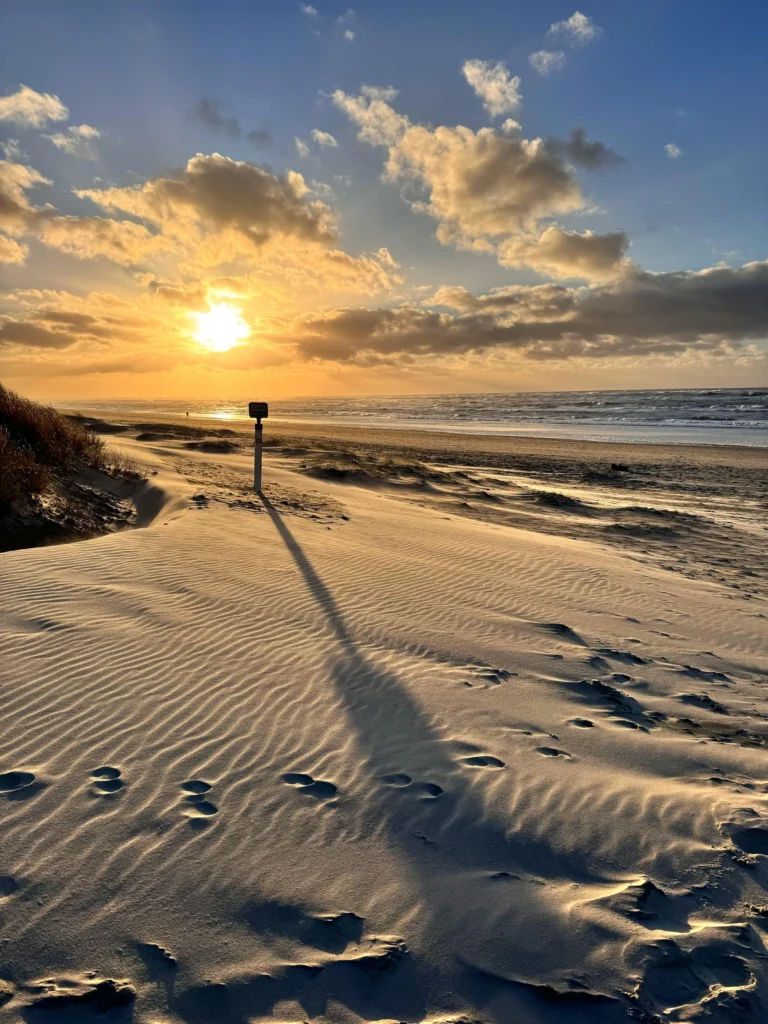
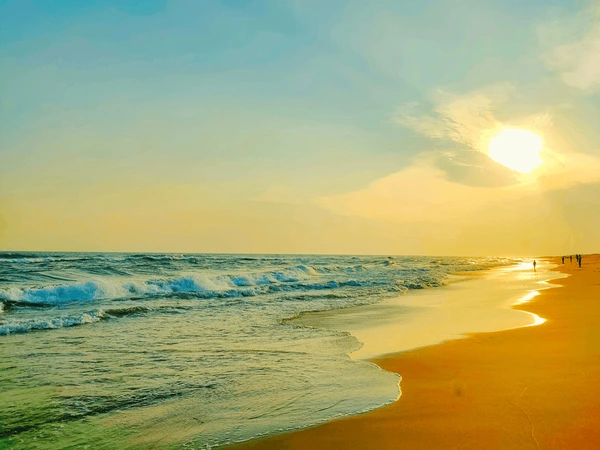
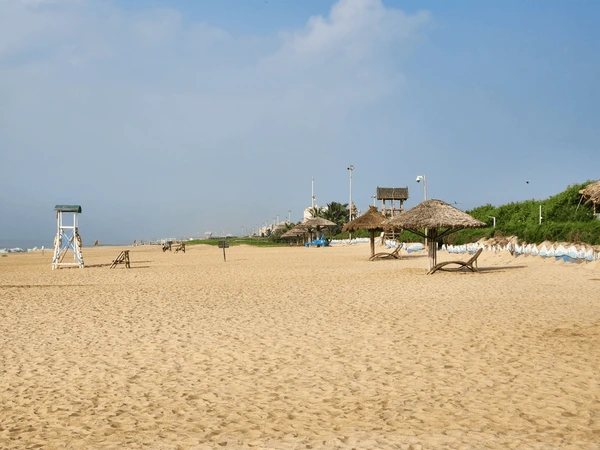
Ramachandi Beach is a tranquil beach on the coast, located a short distance from the temple, where there are few crowds. Unlike Puri’s shoreline, which is active, Ramachandi Beach is a peaceful place that has not been altered too much by people.
After leaving the temple many people enjoy coming to the oceanfront and simply sitting in the sand, listening to the ocean waves fall upon the beach and enjoying the sea breezes blowing through their hair. On winter days, the sands can get quite crowded because of the ease of use at the beach.
Ramachandi Beach is a tranquil beach on the coast, located a short distance from the temple, where there are few crowds. Unlike Puri’s shoreline, which is active, Ramachandi Beach is a peaceful place that has not been altered too much by people.
After leaving the temple many people enjoy coming to the oceanfront and simply sitting in the sand, listening to the ocean waves fall upon the beach and enjoying the sea breezes blowing through their hair. On winter days, the sands can get quite crowded because of the ease of use at the beach.
The best times of year to visit Ramachandi Temple in Puri are typically between October and March because this is the time of year when calmness settles in and weather this time of year is great. Most mornings are quiet, and the hours surrounding sunset are quiet as well. Festivals such as Navratri draw a great many visitors each year, awakening courtyards to the sound of prayers and drumbeats.
During monsoon season, the views from the beach can become dramatic; it is essential to plan around the beach if you consider yourself a visitor in this area. The tides will fluctuate quickly and may be greater than the tides seen in other months. When visiting Ramachandi Beach during this time of year, you should be prepared to exercise patience.