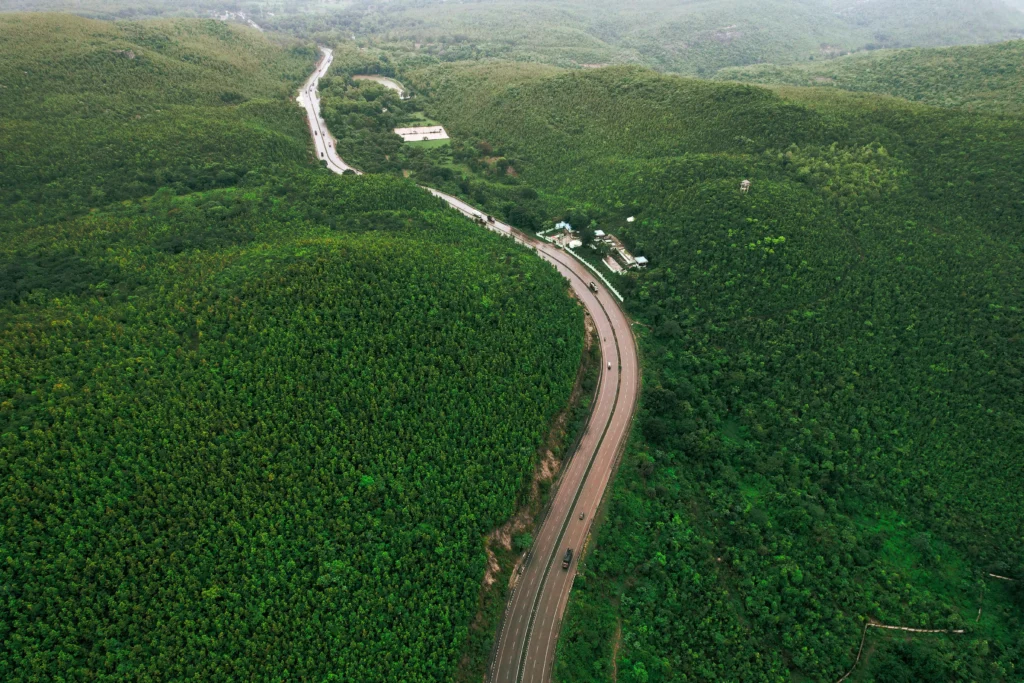
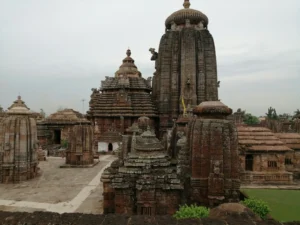
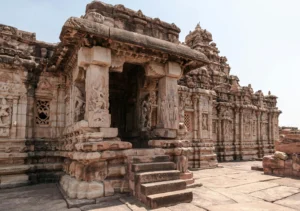
Ranipur Jharial in Odisha’s Balangir district is home to an unusual collection of ancient temples that represent one of the most unique and deeply rooted cultures. This is not a common tourist destination but one that appeals to those who seek out lost stone work, quiet spirituality, and off the beaten path locations in India’s history. This site was likely a major spiritual centre thousands of years ago when there were at least 100 religious monuments.
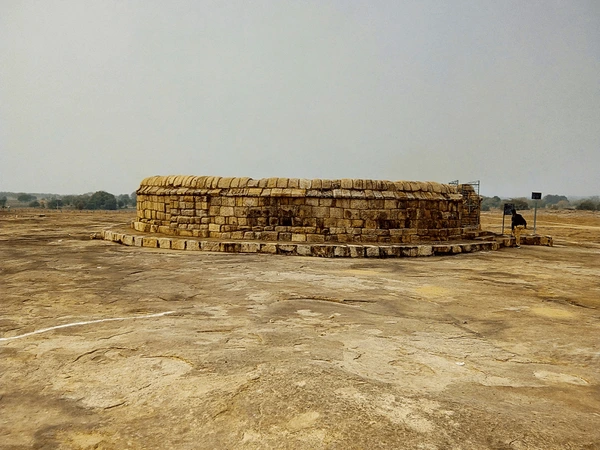
Table of Contents
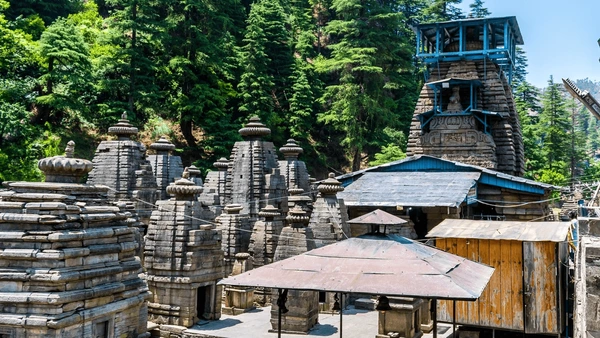
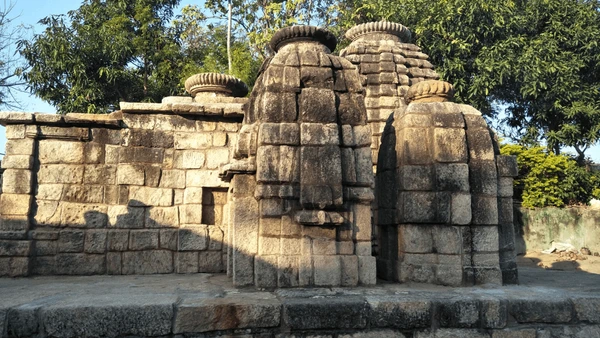
ToggleRanipur Jharial is a temple complex where there are remnants of the remains of many civilizations over several hundred years (8th century to 11th century). The site is located along an ancient trading road and has gradually become a common ground of belief and tradition. The ancient people wrote of a special place in their sacred texts called ‘Soma Tirtha’ which was identified as this place. Of note within this place is the blending of the various religious by practice (the blending of Shaivism with Buddhism, and the blending of Vaishnavism with Tantric practice).
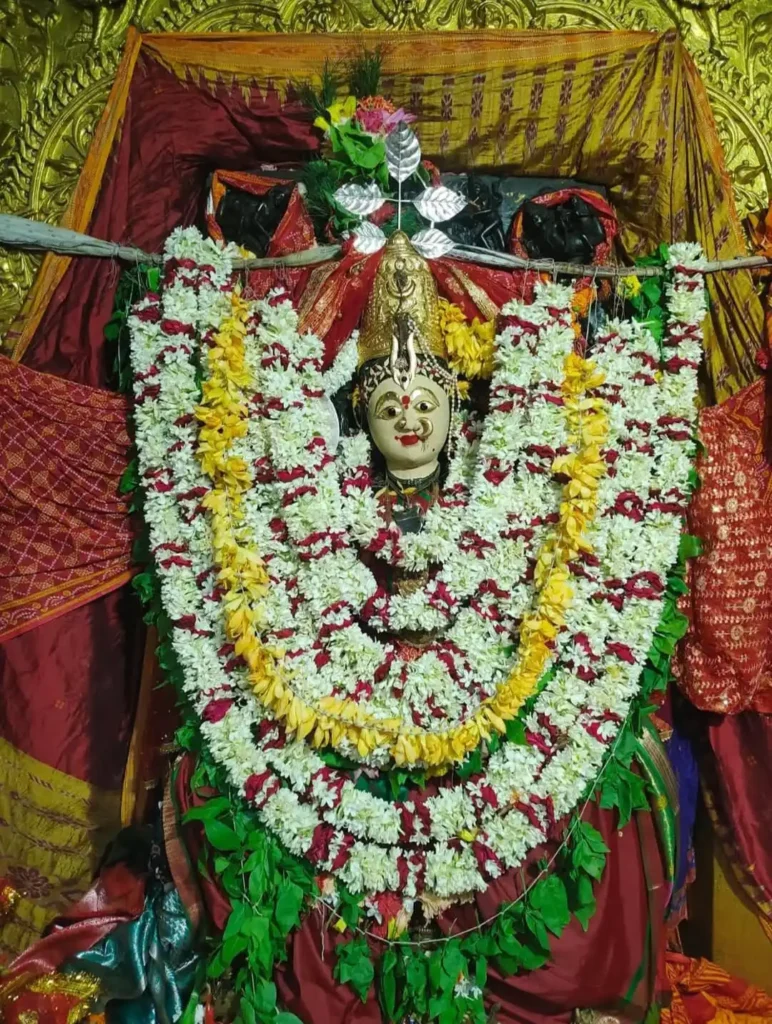
The temple at Ranipur Jharial is very famous and known as Chausathi Yogini Temple. This temple is unique because it is referred to as being rounds and has roofless structure. The original date of construction for this temple was between the 9th and 10th century. The temple is built to honour 64 Yoginis or female deities that are associated with the Shakti tradition.
There is an additional temple located close to Chausathi Yogini temple that is called the Indralath Temple. This temple is another brick temple that was built for the Hindu deity Shiva.
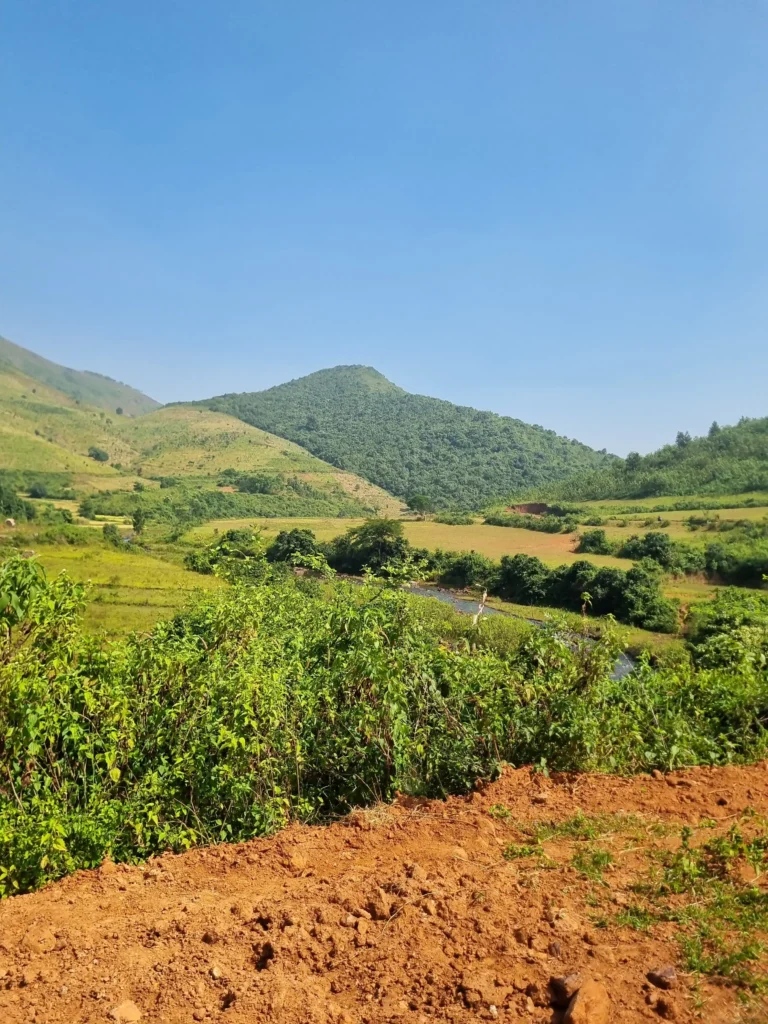
The ruins at Ranipur Jharial rest upon rock near small family farms, hovering above flat fields. The silence between the crumbling remains of ancient walls and the wide blue sky is thick and heavy with memories, while busy archaeological sites are alive with sounds. The ruins breathe long and quietly, causing all who tread on their surface to go deep within themselves, to pull inward toward memory, to pull inward toward silence.
In the late afternoon and early evening golden light envelops and bathes the old temple stones, thereby creating a beautiful display of light and shadow. People drawn to the old temple stones can wait in silence while they frame pictures of the stone.
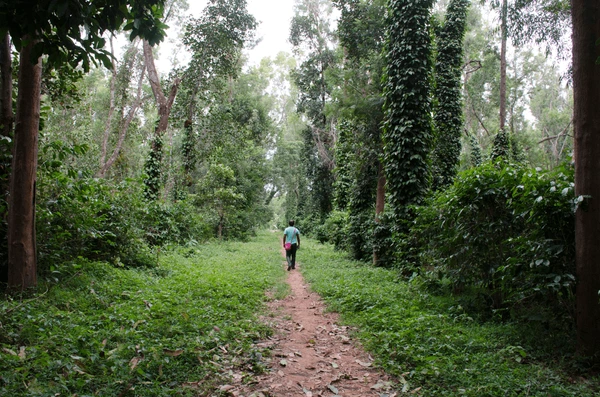
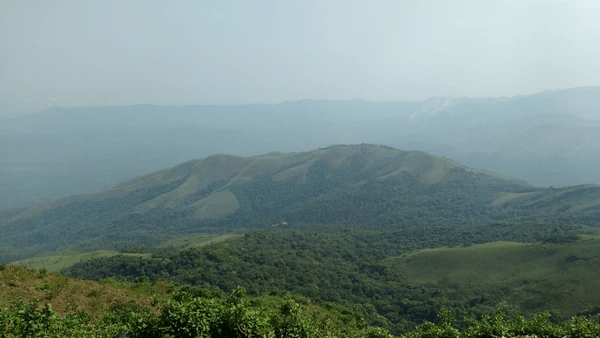
Ranipur Jharial is located in a quiet landscape in Odisha, India and offers an unique blend of nature and history. The temple is less known than some of the more famous ones, but it is still worth visiting. No more waiting for the crowds; there’s no need to hurry to ruin with every step crackling and easily tired out. While many travel to see a beautiful temple (like the Taj Mahal) others simply enjoy the peaceful surroundings of Ranipur Jharial.