
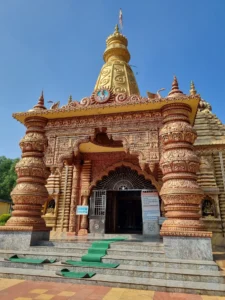
The morning breeze on the highlands of Koraput has a unique flavor of coniferous leaves and damp earth. Taking my leave from watching the grey-colonade Sabar Srikhetra Jagannath temple get veiled in dawn mist, I walk two minutes behind the temple complex to experience this morning freshness and saw Tribal Museum Koraput. The clatter of the marketplace seems to vanish away into thin air leaving behind trimmed lawns, terracotta rooftops, and mud plastered walls depicting tribal motifs.
Traversing through the wooden portals of this cultural monument is an experience akin to wandering through village courtyards rather than a stuffy and sterile museum complex with armed guards. Having explored these exhibition halls at the leisure of a relaxed morning I must say that it is worthwhile to take a close and personal look at the ethnographic and folk artifacts of Eastern India that this place encapsulates.
Location and How to Reach Tribal Museum Koraput
The best part about this open-air museum is its strategic location placed right at the back of the hilltop temple complex of Sabar Srikhetra Jagannath. This way, the Location (Behind Sabar Srikhetra Temple) becomes one of the best reasons to visit Tribal Museum Koraput as a traveler can combine the two fascinating stops in an easy day-long trip. Here are the travel details by different modes:
From Koraput Bus Stand
A short five-minute auto ride will cost you around Rs.40-Rs.50 to reach the main entrance plaza
From Koraput Railway Station (KRPU)
This museum is only three kilometers away from the rail terminal so be ready to shell out Rs.80-Rs.100 for an auto-rickshaw ride
From Jeypore
Koraput Tribal Museum is twenty-two kilometers from Jeypore town from where buses and taxis run regularly on the hilly route for Rs.30-Rs.50
Exhibition Halls at Tribal Museum Koraput
Getting to know what to expect at the Tribal Museum was a delightful surprise as it has well-curated sections for exploring the ancient forest-philosophies and traditional life of the tribal people. What makes this museum so special is that it has been organized thematically in separate halls as under:
Weapons and Hunting Instruments
Have a closer look at tribal weaponry like musketeers’ muskets arrows quivers, and Tangia axes that were used back in the old days
Clothing and Jewelry
Get acquainted with the khadi garments of the tribal people hand-woven with natural dyes, big brass neck rings, and nose ornaments.
Musical Instruments
Be able to imagine the sound of Dhol Nishan Dungdunga and bamboo flutes that were played by the tribal folk on the forest terraces during the harvest season.
Kitchen Utensils
Learn about the ways tribal people measured grain, stored food, and ground coarse cereals with traditional wooden appliances and bamboo vessels.
Tribal Community Represented
While the museum complex presents a harmonious blend of tribal lifestyles, the Tribes of Koraput Represented are:
Bonda Tribe
These are the earliest known inhabitants of the Koraput plateau who led a secluded life in the higher hills growing unique beadwork attire with bronze collars
Gadaba Tribe
Known for their colorful hand-woven ‘Keraanga’ ethnic wear and traditional Dhemsa dance
Paroja Tribe
Considered to be the master cultivators of the region practicing paddy farming on the slopes of Eastern Ghats
Kondh & Saora Tribe
Famous for their rich folklore, Ikat murals, and deep-rooted belief in nature worship
Timings and Entry Fee
As I entered through the ticket counter, there were no hassles regarding the entry fees and operating hours as it was clearly displayed at the notice board.
This museum has become one of the most family-friendly attractions in the southern Odisha area:
- Hours: The museum opens at 10 am and is closed at 5 pm every day (closed on all national holidays).
- Admission Fee: The admission is only at a very nominal rate of Rs.20 for an adult and Rs.10 for a child that allows you to enjoy and explore this unique museum complex.
- Camera: If you wish to take pictures/video inside the museum premises for any research/travelogue, then you are required to get permission for it by the payment of Rs.50 (as a nominal fee).
Best Time to Visit Tribal Museum Koraput
The ideal time to explore this cultural gem is between October and March when the weather in Koraput remains pleasant (15°C-25°C). Avoid the monsoon months (June-September) as heavy rains can disrupt travel plans.
Best visiting hours: 10 AM-11 AM or 3 PM-4 PM to avoid crowds and enjoy better lighting for photography.
Why This Museum Matters for Understanding Tribal Culture of Odisha
For someone like me, this museum complex serves a far greater purpose than just being a tourist attraction.
The museum offers human-centered interaction that is completely different from what other museums do by showing only objects of historical significance. Koraput Tribal Museum is a space for the artifacts to remain in the hands of the people while at the same time protecting them from erosion, besides the museum encourages the preservation of the tribal cultures through holding craft fairs besides saving disappearing tribal languages and enabling tribal artisans to market their goods, which is a major support to the communities.
Places to Visit Near Tribal Museum Koraput
After exploring the museum, visit these nearby attractions:
1. Sabar Srikhetra Jagannath Temple (2 min walk)
2. Deomali Hill Station (40 km – highest peak in Odisha)
3. Gupteswar Cave Temple (55 km)
4. Duduma Waterfall (92 km)
5. Kolab Reservoir (10 km)
Is photography allowed within the tribal museum premises?
Of course. Photos may be clicked within the galleries. Yet first you have to go to the ticket counter to get a permission pass that costs Rs.50. It is strictly forbidden to use a flash inside the galleries to avoid the delicate and fragile fabrics, natural color dyes, and handicrafts suffering any damage.
What other services or items are offered besides guided tours?
The museum officials have contracted guides who are capable of doing in-depth explanations of the displayed items. The guides can speak English, Hindi, and Odiya. Also, at the entrance counter, you may find some guidebooks, research articles, and publications for sale, at a price of Rs.50-Rs.100 each.
How much time does one require to explore this open-air museum?
It is ideal to keep a time-frame of one and a half to two hours to fully enjoy all the exhibit galleries. Walking through the recreated tribal huts and browsing through the souvenirs at the handicrafts shop would further add up to the time. But don’t worry, this museum complex is only a few kilometers away from the Sabar Srikhetra Jagannath temple so that both the cultural sites can easily be covered in a single day.
Is Tribal Museum Koraput worth visiting?
Absolutely! It’s one of the best cultural attractions in southern Odisha. The museum offers authentic insights into tribal
life that you won’t find elsewhere. Combined with Sabar Srikhetra Temple, it makes for a perfect half-day trip.
Can we buy tribal handicrafts at the museum?
Yes, there’s a small handicraft shop at the entrance where you can purchase authentic tribal artifacts, textiles, and souvenirs directly supporting tribal artisans. Prices range from Rs.100-Rs.2,000.
Are there facilities for senior citizens and differently-abled visitors?
The museum has ramps and wheelchair-accessible pathways in most areas. However, some exhibition halls have uneven surfaces. Senior citizens should wear comfortable shoes.
What language is used in the museum displays?
All exhibits have descriptions in English, Hindi, and Odia.Guided tours are available in all three languages.
Can we visit during festivals?
The museum hosts special tribal dance performances and craft fairs during major Odisha festivals like Nuakhai and Parab.
Check the official website for festival dates.


