The “History of Jagannath Rath Yatra” is so much more than just the yatra, touristy spots or just beautiful chariots. The historical significance of this place and this yatra is so much more than that. Before puri became a hubspot for pilgrimage and tourists, the Rath Yatra was a huge part of Odisha’s tradition. People here would wait for a whole year just to get to see the yatra. It was basically Diwali for people of Odisha. It was a tradition passed from one generation to another.
If you ask ten local devotees about Rath Yatra and you’ll probably hear ten different versions of its origins. Some are because of history, others are just simply folklore.
Rath Yatra’s Ancient History
The “Rath Yatra ancient history” remains a fascinating subject for both historians and devotees. Since Hinduism is such an ancient religion, the history of Rath Yatra is not fully known, we just know the bits and pieces. It’s basically a mixture of scriptures and what the local people believe in. For many believers, the journey of Lord Jagannath starts from somewhere away from the temple.
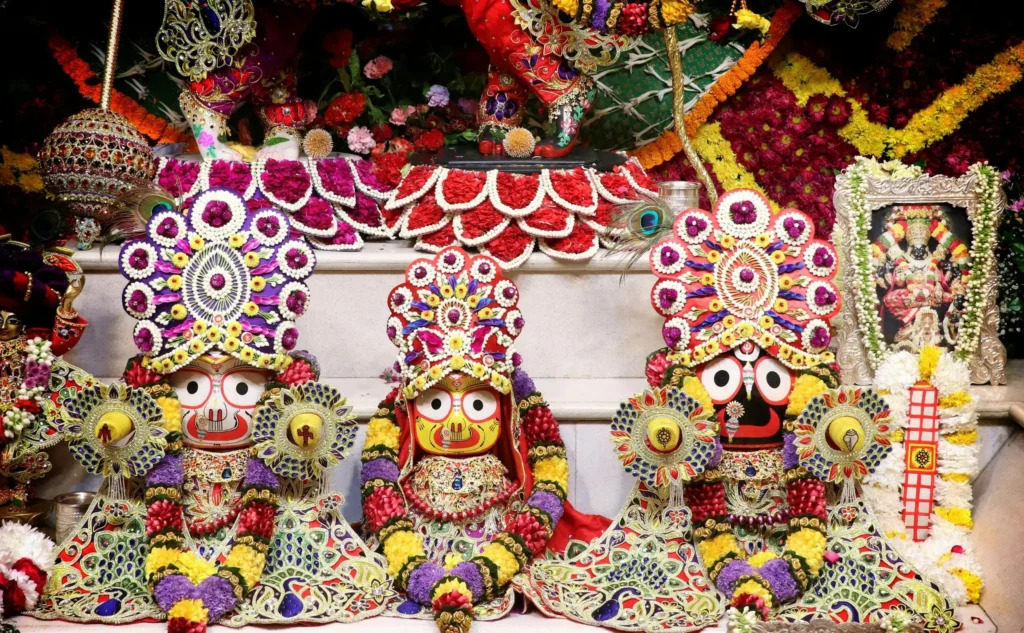
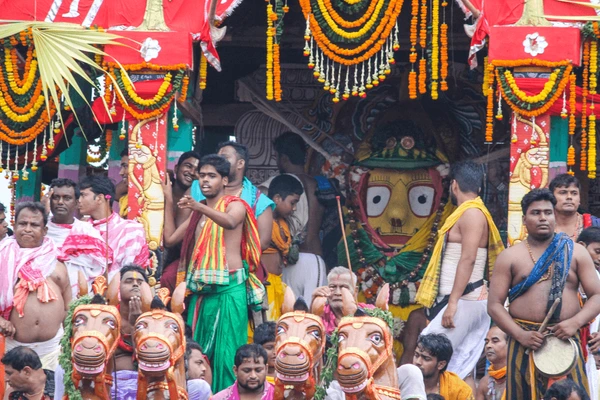
As we all know once every year, Jagannath, Balabhadra, and Subhadra leave their temple and travel to the Gundicha Temple. This allows the devotees to see their deities in a completely different setting.
What the Skanda Purana Says?
One of the most important references connected to the festival comes from the “Skanda Purana Rath Yatra” traditions. Ancient Hindu scriptures tell us the significance and importance of witnessing the procession and participating in this yatra. Over the centuries, these references helped strengthen the belief in the festivals and it has been given a firm place in Hinduism.
For devotees, these aren’t just mere stories from old books. They are traditions that were started before them and will continue way after them. The most spectacular thing about the rituals is that it remains remarkably unchanged.
What is the Famous King Indradyumna Legend?
If there is ever a conversation about”History of Jagannath Rath Yatra” it always feels incomplete without the infamous “King Indradyumna legend.” According to traditional accounts, King Indradyumna was searching for a divine form of Lord Vishnu known as Nila Madhava.
The search wasn’t easy. Messengers were sent across forests and distant regions. Clues appeared. Then it disappeared. Some stories describe visions. Others speak of divine intervention.
Eventually, the king received instructions to establish worship in Puri. Whether viewed as history or sacred mythology, the story remains one of the most beloved parts of Jagannath tradition. Even today, many pilgrims arrive in Puri already familiar with the legend.
The Mystery of the Sacred Log
Perhaps the most unusual story connected to Jagannath worship is the “Jagannath idol sacred log legend.” According to tradition, a mysterious wooden log appeared near the coast. Not ordinary wood. Something sacred. The king was instructed to use this divine material for creating the deities. Another popular version of the story introduces a mysterious craftsman who agreed to carve the idols under one condition. No interruptions.
- Days passed.
- Then curiosity took over.
- The door was opened before the work was complete.
Inside stood the unfinished forms of Jagannath, Balabhadra, and Subhadra. Yet instead of rejecting them, devotees accepted the forms as divine. Centuries later, those unique shapes remain one of the most recognizable features of Jagannath worship.
Jagannath Temple History Puri
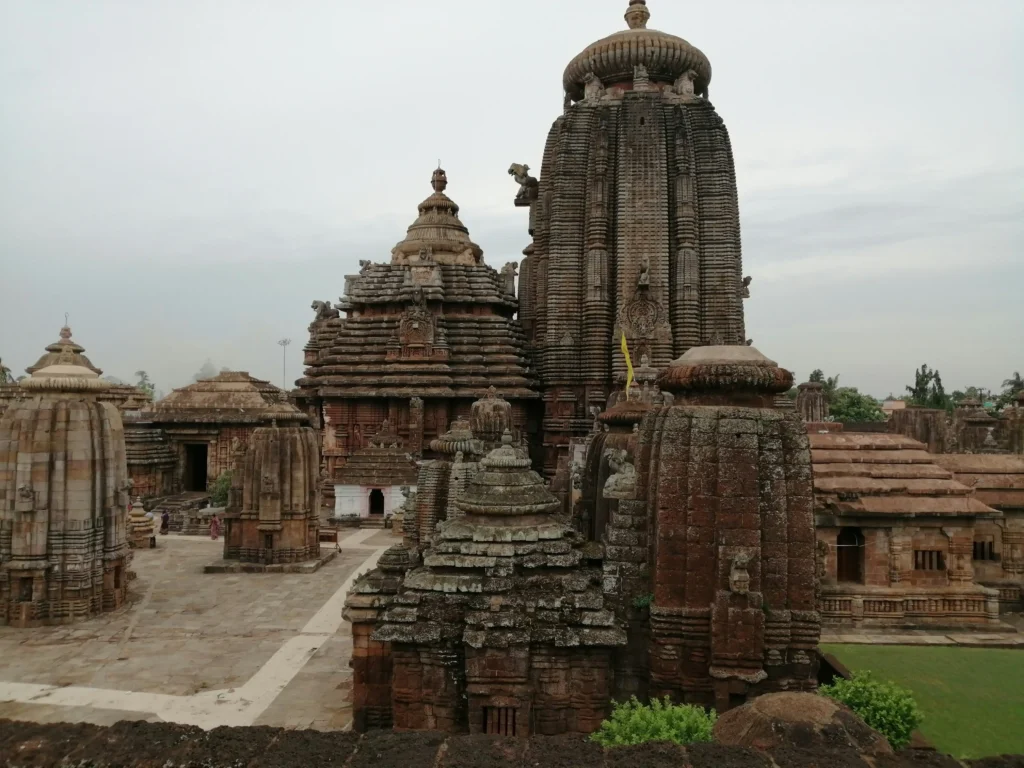
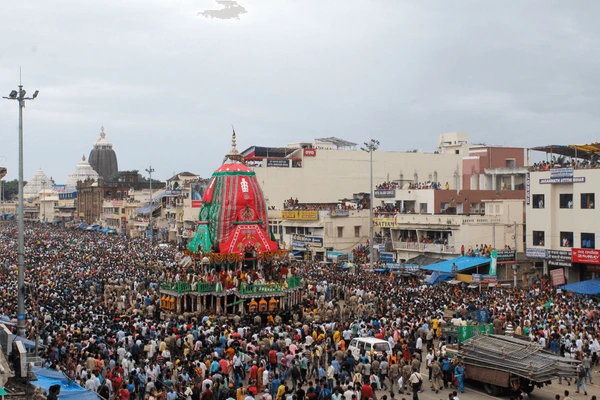
The “Jagannath Temple history Puri” is closely tied to the growth of Rath Yatra. The temple seen today is believed to have been built during the 12th century. Over time, it became one of the most important pilgrimage sites in India. Now we know that pilgrims have arrived from distant kingdoms. Various traders used to stop in Puri even though a lot of Saints and scholars visited the city. And little by little, the festival grew into such a huge event that we cannot even fathom.
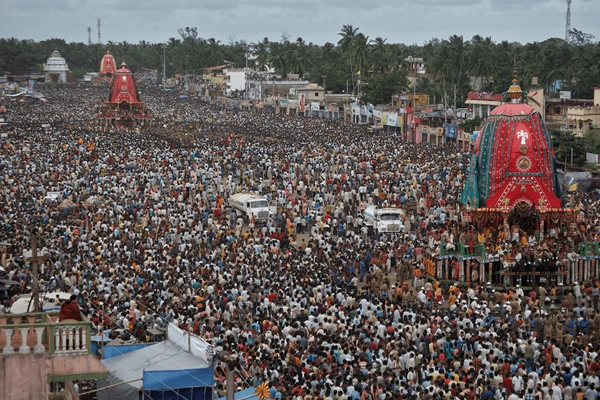
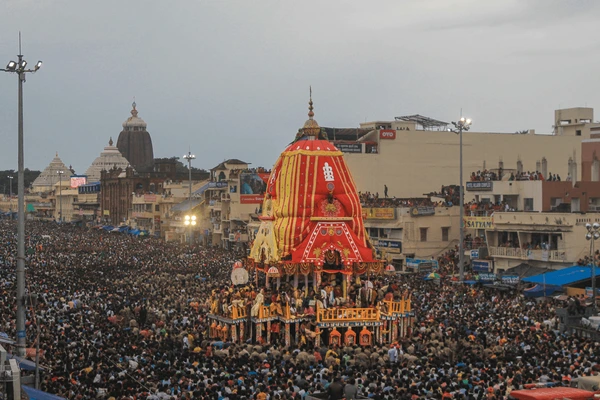
A few years ago this Yatra was a regional celebration but now it has become a very famous festival and devotees visit this festival, not only from India but from all across the world.
What was the Role of the Ganga Dynasty?
The influence of the “Ganga Dynasty Puri festival” traditions cannot be ignored. The rulers of the Eastern Ganga dynasty played a huge role in supporting temple activities and preserving its tradition. Their patronage helped establish Puri as a major spiritual center.
Not a lot of people know this but many traditions that we follow today were developed during these centuries. Various rituals may have changed over time but most of them have stayed with this. This is one of the biggest reasons why this festival feels unique because the same traditions have been continued for centuries now.
Understanding the Hindu Chariot Festival Origin
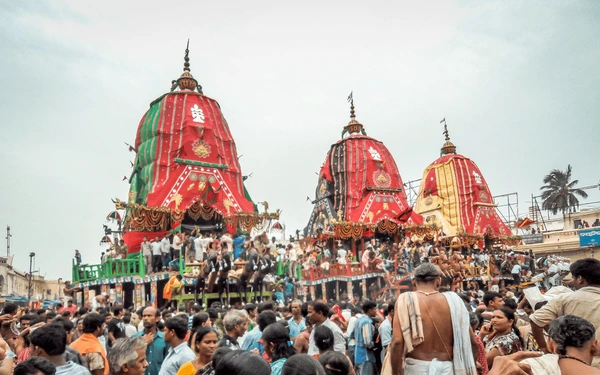
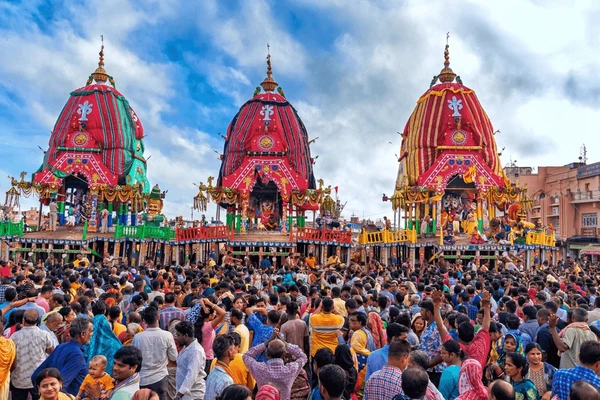
The “Hindu chariot festival origin” is just a mere Yatra where the idols go from one place to another. The chariot itself carries symbolic meaning. In Hindu philosophy, the body is sometimes compared to a chariot guided by higher wisdom. During Rath Yatra, this symbolism becomes visible in a dramatic way.
- The three giant chariots dominate the streets of Puri.
- Towering structures. Bright colors. Massive wooden wheels.
- And every year, they are built again from scratch.
- That’s a detail many first-time visitors find surprising.
What is the Rath Yatra Cultural Significance?
The “Rath Yatra cultural significance” extends beyond religion.For some people, it is a pilgrimage. For others, a family tradition. For local artisans, it supports crafts that have existed for generations. Carpenters, painters, musicians, priests, and performers all play a role in keeping the festival alive.
Puri Odisha Religious Heritage
Today, Rath Yatra stands as one of the strongest symbols of “Puri Odisha religious heritage.”
When the pilgrims walk through Puri during festival season, they can explore the music, arts, dance forms, food and more. The festival has been part of people’s lives since centuries.
The Origin of Word Juggernaut
One of the more surprising aspects of the festival is the “origin of word juggernaut.” When various European travelers witnessed this marvelous festival in Puri, they were astonished and shocked by how big the idols were, and how larger than life they were. With time the English man started calling” Jagannath” as “Juggernaut”. Interestingly this word is now part of the dictionary which means powerful and unstoppable.
What is Rath Yatra History and Tradition Today
The “Rath Yatra history and tradition” continue to thrive in the modern era. Although various Security arrangements have changed. Technology has changed. The crowds have become huge but the heart of the festival still stays strong.
The “History of Jagannath Rath Yatra” is a story shaped by faith, legends, royal patronage, and centuries of devotion. Recognized by many as one of the “oldest Hindu festival India” traditions, Rath Yatra continues to connect the present with the past. A celebration of belief and community.


Why is Rath Yatra celebrated in Puri?
Rath Yatra celebrates Lord Jagannath’s annual journey from the Jagannath Temple to the Gundicha Temple, allowing devotees to receive his blessings.
How old is the Jagannath Rath Yatra?
The festival has ancient roots and is considered one of the oldest continuously celebrated Hindu festivals in India.
What is special about the Rath Yatra chariots?
The three chariots are rebuilt every year using traditional methods and are pulled by thousands of devotees during the procession.

Where to Stay in Puri During Rath Yatra 2026 – Hotels, Dharamshalas & Tips
History of Jagannath Rath Yatra – Origins, Legends & Cultural Significance
Best Places to Watch Rath Yatra 2026 in Puri – Viewing Spots & Darshan Tips
Rath yatra packing list-what to carry and what to avoid in Puri
Chhera Panhara & Pahandi – The Most Sacred Rituals of Puri Rath Yatra
Nandighosa, Taladhwaja & Devadalana – The Three Sacred Chariots of Rath Yatra
How to Reach Puri for Rath Yatra 2026: Train, Flight & Road Guide

10 Best places to visit in Keonjhar

Best Time to Visit Jagannath Temple: Seasonal Guide for Tourists

The mythological and spiritual significance of maa Mangala temple

10 best Places to Explore in Koraput
Chandrabhaga Beach Puri: A Comprehensive Travel Guide

North vs. South Indian Temples: Architectural Differences and Importance