Visiting the soft, rolling terrain that marks the edge of Bhadrak’s plains brings you to a heavy piece of soil known as Eram Odisha. If you’ve never heard of Eram before and if you live in our state, each child in our state should be able to tell you what Eram is. On your way to arrive at Eram’s impressive obelisk, you will pass through a long marshy area where the Gameyes and Kansabansad rivers flow slowly westwards towards the Bay of Bengal. Although not a deep blue colour like other lakes, this lake is the reason the village of Eram got its name and has become an infamous location.
This lake has been historically significant for many reasons; however, it is most notable because of its association with the struggles of many freedom fighters. The rebels believed this area to be an ideal place to revolt against the British government because the rivers formed two large, natural walls acting as a barrier to entry. On the day of the final assaults by both the British Army and the rebel freedom fighters, the rivers turned from being protective walls into deadly traps. Upon arriving in Eram during early morning, you not only notice the long-standing fog over the lake waiting for the land to draw breath again, but also the incredible courage displayed by the freedom fighters.
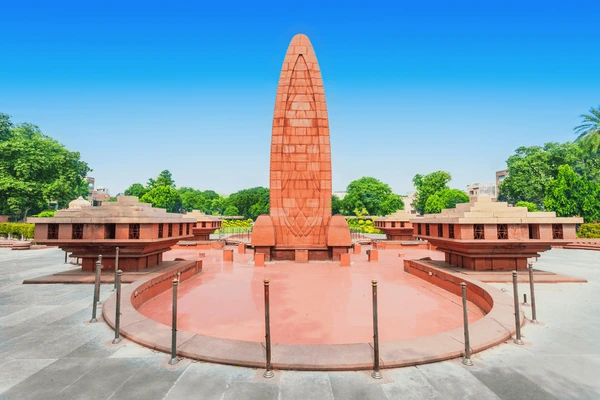
The Jallianwala Bagh of the East
Eram Bhadrak was always more than a place. It was “Swadhin Chakala” – a place in which our ancestors defied the British Empire’s control. Eram Bhadrak’s geography is unique: a large, flat field surrounded by water and dense jungle on three sides. Eram was a site of nonviolent struggle against colonialism (this was the case before colonization, during the Indian Independence Movement, after there was independence and until now). On September 28, 1942, during the Quit India Movement, thousands of unarmed villagers assembled at the Melan Grounds.
They had no weapons — only their voices and an oath: “We shall not fear death or live in fear of fear.” I remember speaking to an elderly gentleman in a small store near Basudebpur’s village market. He said the police opened fire as soon as they arrived. They fired 304 rounds at the villagers who had gathered at the only available gate. In a very short amount of time, the green grass was stained with the red blood of the dead. The people of Eram Bhadrak were witnesses to some of their ancestors’ blood being shed at this spot. The soil of Eram Bhadrak is imbued with the blood of our forefathers.
The Lady Martyr and the Silent Field
Raktatirtha means “The Sacred Place of Blood,” and it is the site where many have lost their lives including Pari Bewa, the only woman who was a martyr from Odisha. Eram has a deeply quiet sorrow that is filled with very positive pride. There are not large crowds of loud tourists, as most people who walk along the paths do so with their heads bowed, showing respect by laying flowers at the base of the Smruti Stambha (memorial pillar). I saw a boy in awe as he placed his hand on the engravings of the names that were inscribed in the stone. Many people learn their history from places like this without reading any books; they look at the bullet holes left behind by their ancestors. I felt overcome with emotion when I stood in the footsteps of all those who were murdered here, but I also felt great pride in being an Indian. For a wider regional route, our South Indian temple circuit adds a South India perspective to the temple journey.
Advice for the Sacred Journey
To get to Eram Bhadrak you can travel along the highway from Bhadrak to Basudepur which is about 30 km away before continuing another 16 km to arrive at your destination. The most popular time to visit there is on September 28th when all of the district will congregate to show their reverence for the site; however, for tranquillity I recommend going during the winter months (December or January). Dress modestly and speak quietly. My suggestion would be to bring your own water from Basudepur because there are not many stores available throughout the village area. When you are there, take some time to sit in the grass. While taking pictures is great, please take time to listen to the sounds of the wind rustling through the trees. This location is a powerful reminder that freedom does come at a cost.
When is the best time to go to Raktatirtha Eram?
Raktatirtha Eram is at its best between the months of October to February because this is when it is cool enough to walk around the memorial field comfortably.
What’s the closest train station?
The Bhadrak Railway Station is the closest railroad hub. You would be able to Taxi through Bhadrak to Basinisedepur to arrive at Eram.
Why is Eram considered the second Jallianwala Bagh?
Like the Jallianwala Bagh massacre, where large crowds that were peaceful and unarmed were trapped in one area with no way out and were shot by law enforcement. Eram suffered a similar incident.
Who was Pari Bewa?
A courageous lady from Eram, Pari Bewa was killed in the 1942 shooting and is now recognized for being the only female martyr in the fight for independence in Orissa.
What is the ticket price to go there?
There is no ticket or entry fee to enter the memorial at Eram, Odisha. It is a public site of reverence and therefore accessible to all.