
At 5:00 a.m., the air is fresh and silky against your skin…and as you walk out of the narrow, dark alleyways of Varanasi’s old town, you will see a breathtaking open view of the River Ganges in an amphitheater setting. The Ganges is cloaked in a dusky purple mist, which blurs the horizon where the river meets the sky. The first rays of the sun will catch the time-weathered stone facades of the centuries-old palaces bordering the Ganges and each time you glance at the river from this point, you will recognize the Ganges as being a living, breathing work of art!
Varanasi invites you to see the city, but then compels you to experience it — the ancient city of Varanasi has an unquantifiable wealth of underlying energy that will shift and change how you view the world forever! Whether you’re looking for spiritual enlightenment, artistic expression or an experience of the raw essence of India — this curated Varanasi guide will help you find your way through the beautiful disorder that is the city of Varanasi, by offering suggestions and examples of the key things you must do while you’re there.
The Sacred Crescent & the River Rituals of Varanasi
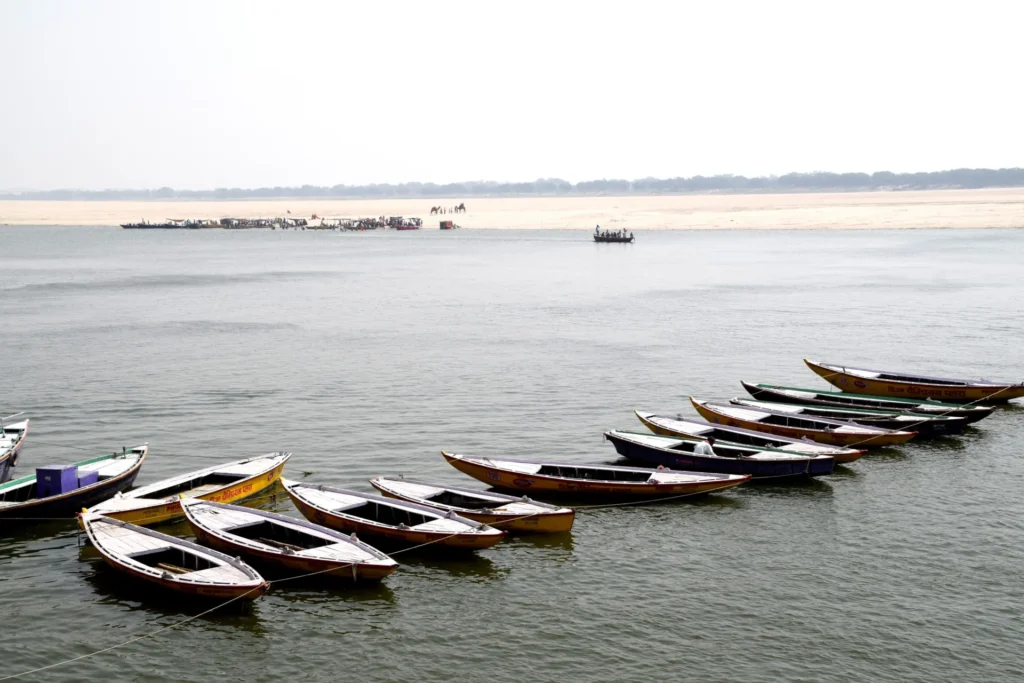
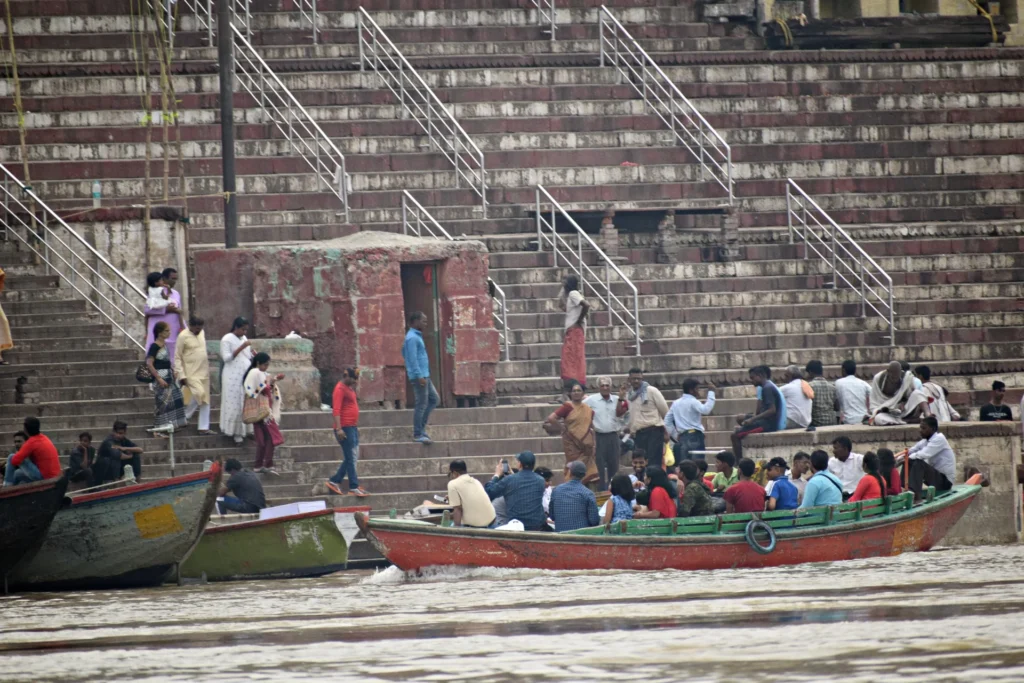
The Ganges has been the life-source for millions of people since before time was measured. The Ganges is surrounded by 84 stone steps called ghats leading down to the river; walking this sacred crescent from the southern end to the northern end of the river is the foundation of every itinerary for every person who comes to Varanasi.
-
The Dawn Rowing Boat Journey
The dawn rowboat ride along the banks of the Ganges River at 5:30am is an experience unlike any other; watching as the sun rises from deep indigo to beautiful red hues and illuminates the many pilgrims who are performing their holy rituals will allow for a deeper insight into both life and death occurring on the steps of the Ganges River. A private rowboat will cost between ₹300 to ₹500 per hour.
-
Witnessing the Ganga Aarti
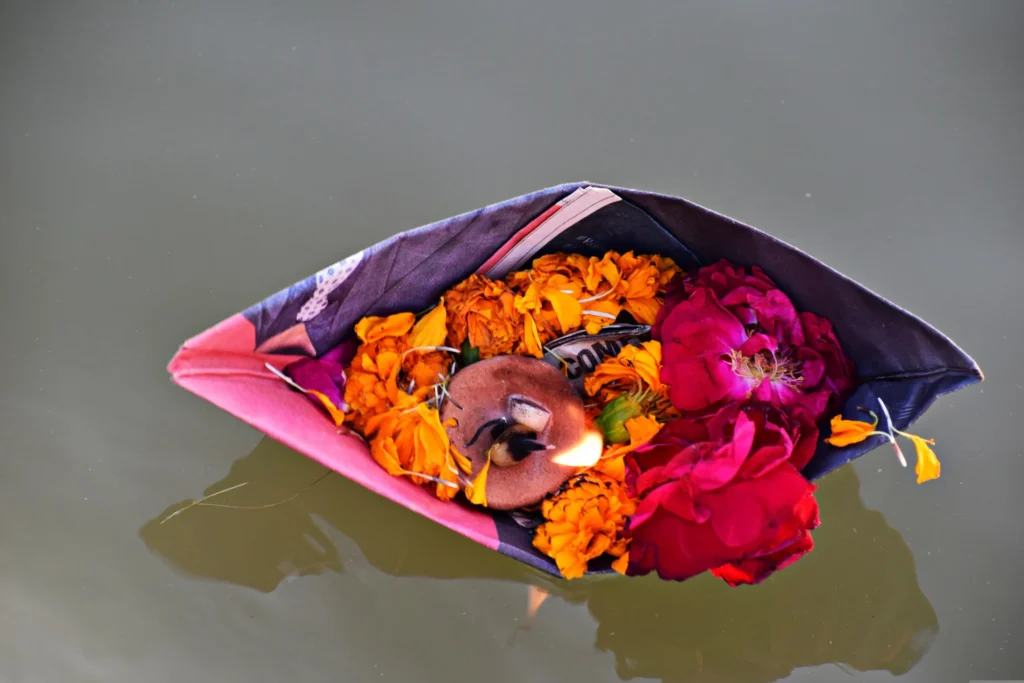
The evening Ganga Aarti ritual at the Dashashwamedh Ghat takes place at night as dusk starts to cover the river; it draws thousands of visitors to the location where they can witness the priests perform the Ganga Aarti by waving aloft large brass lamps up towards the heavens; while this will happen on land as well as in the wooden boats being used to view the event from across the water, those who wish to see it from close range will have a chance to do so.
-
The Labyrinth of Galis: Culture and Cuisine
Kashi has its real magic behind the riverfront in the galis, which are an incredibly small maze of alleyways made of stone that have existed since ancient times. Narrow pathways allow people to dodge holy cows and see tiny shrines built into pastel walls, while also smelling the freshness of marigolds and fried street food. It’s a living museum where families have lived for centuries without touching anything from the outside world.
-
The Culinary Pilgrimage
The food culture here represents an astonishing explosion of pure vegetarian comfort food, and each time of day the food is entirely different. In the morning, line up for Kachori Sabzi at Ram Bhandar (about ₹40 for a plate), have an incredibly thick, fruit-filled sweet mixture at the Blue Lassi Shop (about ₹100), and in the evening, taste the sweet Banarasi paan (about ₹20). Eating generational street recipes is one of the best things to do in Varanasi.
-
Exploring the Golden Temple
The Kashi Vishwanath Temple in Varanasi is a sacred site for Hindus because it is dedicated to Lord Shiva, who is seen as both a god and the ruler of the universe. The temple entrance provides a sweeping view of the surrounding grounds where more than 800 kilograms of pure gold adorn the temple’s towers and domes. When you are part of the thousands of devotees chanting “Hara Hara Mahadev,” you feel the essence of the devotion of those who worship in the Hindu tradition.
Beyond the River: History and Slow Travel
A short distance from the bustling Varanasi inner city lies a series of important historical sites. Visiting these locations is a meditative and restorative counterbalance to the high-energy atmosphere created by the sacredness of the riverbanks.
-
The Serenity of Sarnath
The deer park of Sarnath is simply a short auto-rickshaw ride (about 10-kilometer) from Varanasi. Here, the historical significance of Sarnath is enhanced by the serenity of the surroundings. The 43-meter-high Dhamek Stupa, a massive structure that marks the place where Gautama Buddha delivered his first sermon after his Enlightenment beneath the Bodhi tree, looms majestically over the area. Walking through the sculptures, gardens, and remnants of monastic living gives you a sense of the stillness that Buddhist monks have sought through meditation for centuries.
-
The Bohemian Vibe of Assi Ghat
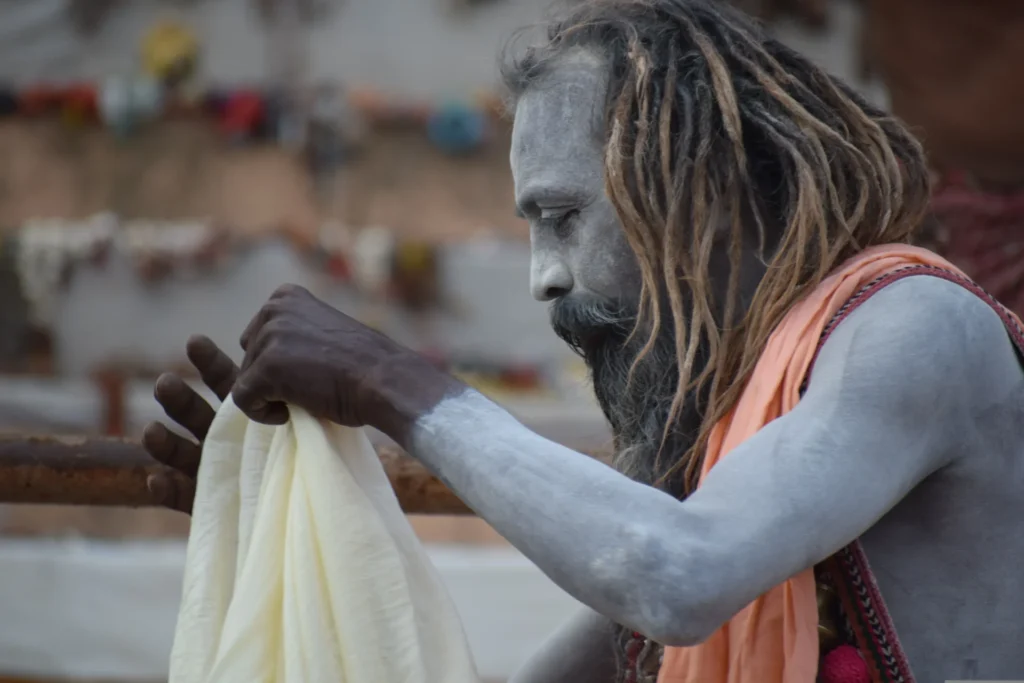
Assi Ghat is located at the southern limit of the Riverfront and provides a spacious, artistic and slightly bohemian escape from the bustle of the center. Sit for hours enjoying a cup of chai in a clay cup, observe local sadhus meditating under bamboo umbrellas, and engage with the various artists who are sketching the banks of the Ganges. It has a community square where ancient history meets modern, slow-travel lifestyle.
Tailoring Your Journey: Strategic Insights
In planning what to do in Varanasi, it’s helpful to separate your travels into categories. Do you want to focus on history, spirituality or excitement?
If your main goal is Varanasi backpacking, you will find a great place to have fun with other travelers, enjoy budget hostels and have an easy commute to the university area south of Assi Ghat and at Assi-Lanka crossing, relatively speaking, these are also much more open than the central ghat areas, although you can easily walk or boat to the main tourist areas in just a short period of time.
If you’re looking for what to see in Varanasi (besides the obvious), one of the fact-finding ones to look out for are the Akharas (old-style mud wrestling pits) that are secretly located behind Tulsi Ghat. Watching local mud wrestlers training in the earth, something blessed with mustard oil gives you a glimpse into a physical way of life that is centuries old.
Is two days enough time for covering all of the major things to do?
You can see all of the major highlights in two days—sunrise boat rides, sunset Ganga Aarti, all of the main temples of Varanasi, and maybe a little visit to Sarnath before your short trip is over. However, trying to cram everything into a two-day schedule may feel like a whirlwind of extreme stimulation. An additional day or two would allow you time to decompress and enjoy a leisurely visit to one of the several riverside cafes and truly feel the ancient pace of Varanasi.
What to do in Varanasi for the first-time visitor?
If this is your first visit to Varanasi, you must do the 4 essential activities: go on a sunrise boat ride, attend the evening Ganga Aarti at Dashashwamedh Ghat, stroll around in the narrow alleys of the old city, and take a photo at Kashi Vishwanath Temple. These four things define the religious, cultural, and active hearts of Varanasi.
What is the best way to travel between the ghats?
The walk is the most engaging means by which to navigate the ghats because of the opportunities that exist for finding secret shrines and cafes while experiencing the ghats up close. In the event that you cannot walk because you have limited time or are too tired, you could consider travelling by rental boat on the riverfront, or an e-rickshaw along the main running roads parallel to the water to avoid excessive foot traffic in the alleys.

