
The smell of burning incense, crushed marigold garlands, and wood smoke from the funeral pyres permeates the heavy pre-dawn air. You are sitting on the cold stone steps of Dashashwamedh Ghat watching a thin strip of mist rise off the holy Ganges River. In the distance, a temple bell begins to toll followed closely by a low resonating chant of Sanskrit mantras. Suddenly an amber and crimson streak crosses through the sky illuminating the decaying majestic facades of hundreds of years old palaces.
This is Varanasi—also known as Kashi (which means “City of Light”) or Banaras, depending upon where you want to start in peeling back layers of its ancient history. As one of the world’s oldest cities continuously inhabited for over three thousand years it does not just exist; it breathes, vibrates, and sometimes completely overpowers its visitors. Mark Twain stated that the city is “older than history, older than tradition, older than any possible legend and looks two times older than all of them combined. It has been a place of ritualistic activity, religious worship, and day-to-day living for over three thousand years with no evidence of disruption from any empire that rose or fell during that time.
This guide is perfect for people who want to travel spiritually (like pilgrimages), photographically (like to record the unique architecture) or culturally (to explore the complex history of India). If you love to wander freely with no specific destination or plans, but are interested in exploring the true beauty of the culture of Varanasi as well as the people of Varanasi, then you will love this guide.
This guide contains everything you need in order to successfully complete your Varanasi trip including: how to navigate the maze-like alleyways, the best time to take your river cruise, the best places to eat (including street food), and how to visit religious sites while respecting the culture. You will experience a beautiful, raw, and very real part of Varanasi; a part that will change the way you see life, death, and everything in between.
Quick Facts
It is helpful to have a basic understanding of the logistics that will guide you to explore Varanasi before you begin your trip. Below are the basics of Varanasi to help create a foundation for an easy experience.
| Feature | Details |
| State | Uttar Pradesh, India |
| Nearest Airport | Lal Bahadur Shastri International Airport (VNS), Babatpur (approx. 26 km from the ghats) |
| Railway Stations | Varanasi Junction (BSB), Banaras Railway Station (BSBS), and Pt. Deen Dayal Upadhyaya Junction (DDU) |
| Best Months to Visit | October to March (for pleasant weather and vibrant festivals) |
| Languages Spoken | Hindi, Bhojpuri, and English |
| Currency | Indian Rupee (INR / ₹) |
| Average Daily Budget | Budget: ₹1,200 – ₹2,500/day
Mid-range: ₹4,000 – ₹8,000/day
Luxury: ₹15,000+/day |
| Recommended Trip Duration | 3 to 4 days (ideal to absorb the rhythm without burning out) |
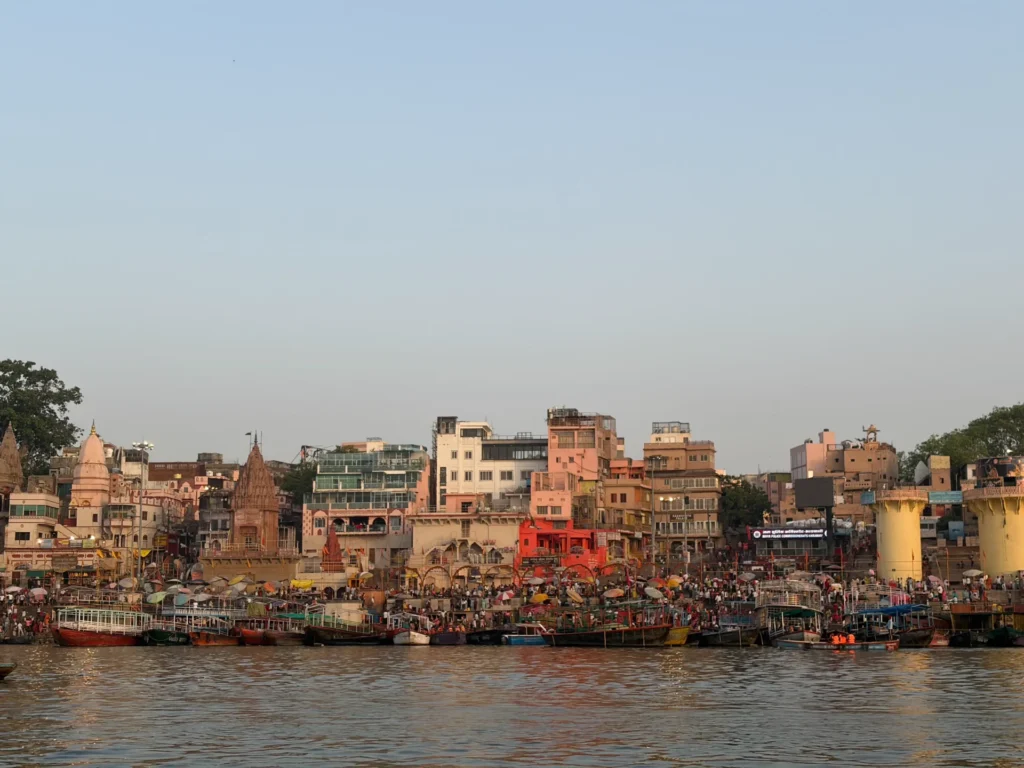
Why Visit Varanasi?
The primary reason many travelers come to Varanasi is its status as a centre for spiritual pilgrimage, having been founded by Lord Shiva. With its ancient temples, Varanasi is considered one of the holiest places in Hinduism. Many consider Varanasi as the best place to experience India.
Spiritual Significance & Ancient Temples
There is a lot to see and do in Varanasi, from street food to dance classes, as well as visiting famous tourist sites such as Kashi Vishwanath Temple, Dashaswamedh and Manikarnika Ghats. Still, it’s the energy of the city, the interaction between locals and visitors and the love and devotion of the people living there that makes this city special. For Comprehensive overview of the top experiences, checkout the best things to do in Varanasi.
The Ethereal Sunrise Boat Ride
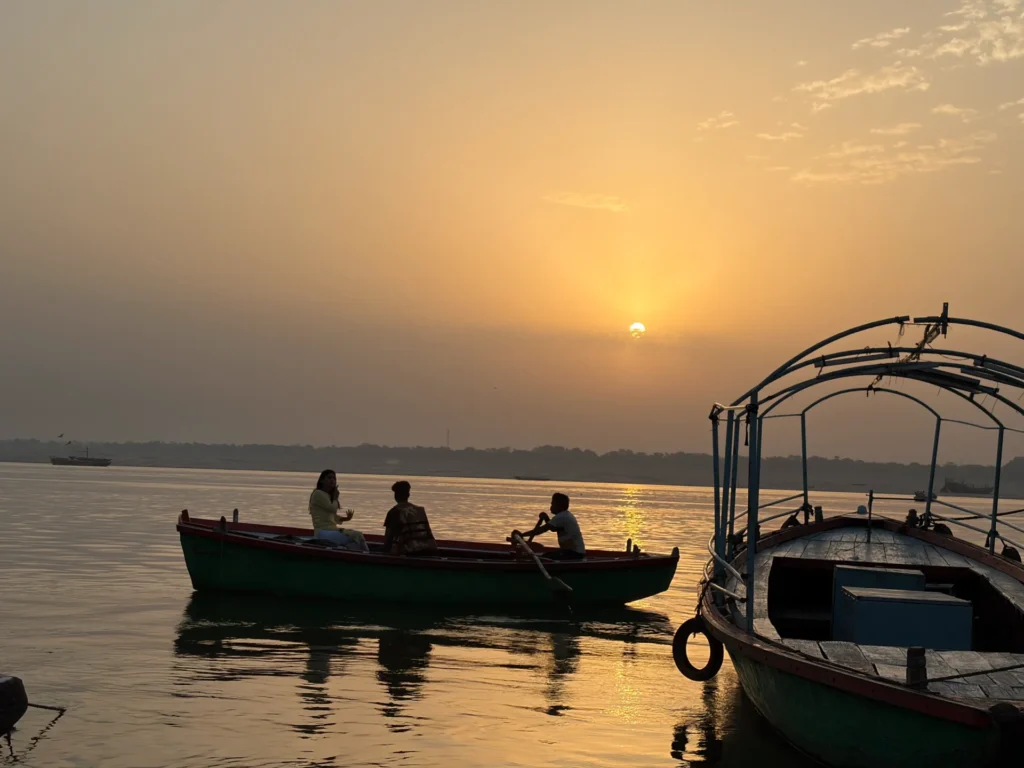
For those who have had the opportunity to experience the incredible energy and excitement of the Evening Aarti, the experience during dawn on the river is a complete contrast; it is a sound of silence, filled with ethereal poetry. By boarding a beautiful wooden rowboat at 5:30 a.m., you will be able to experience the awakening of the city from the waters of the Ganges River. Learn everything about timing, pricing, and what to expect in our detailed morning boat ride guide. As you enjoy the ambience of early dawn, you will see pilgrims taking their early morning holy dips, yogis asleep on large stone pedestals, and the rising sun illuminating the copper-colored rocks, and will see the first rays of the sun color the silver of the ancient palaces with a warm liquid gold color. No Varanasi experience would be complete without this one of many incredible Varanasi things to do.
Legendary Street Food Culture
Your taste buds will be crying out for comfort. The food scene here is a vegetarian food lover’s dream. The smell of food wafting from small stands along the streets and the excitement of being on a corner at 7:00 a.m., waiting for some hot, spicy, deep-fried kachori sabzi, while sipping a very sweet, super-thick lassi from a disposable clay cup known as a kulhad, while eating the most delicate, cloud-like winter sweet called malaiyo, and all while you’re in the great company of other people enjoying their meals; it truly is a spiritual experience as well as an experience of visiting temples. Explore all the must try dishes and best food stalls in our complete food trail of Varanasi.
The Soul of Kashi Revealed within the Galis
The essence of Kashi really lies within the galis, a tiny web of ancient alleyways located behind the riverfront. Because these roads are tiny stone pathways and don’t allow for automobile traffic, they are alive with activity; for example, you will find centuries-old silk weaving looms clacking away behind closed doors, vendors selling mounds of bright red chili peppers, and cows daydreaming while wandering past hidden residential courtyards and gardens. Kashi’s narrow galis provide an amazing living museum.
A Visual Storyteller’s Paradise
For photographers, Kashi has an unending supply of visual emotion and contrast. The contrast between crumbling pastel structures, the billowing smoke from Manikarnika Ghat (the name for the sacred place of burning bodies), long-haired colorful sadhus, and, in the morning, the soft, diffused light reflecting off the river creates an extraordinary visual story unique anywhere else. Each corner brings an opportunity for a photo that tells a long history of human experience filled with energy and life.
The Best Time of Year to Go
To identity the best time to visit Varanasi changes with the seasons. January’s sunny riverside morning is an entirely different experience from July’s humid afternoon, when the river rises above the stone steps. To ensure a successful Varanasi trip, timing your visit is of the utmost importance.
Winter (October – February) is the Golden Window.
In terms of magic, there is no better time to visit Varanasi than during these months. The extreme heat experienced during the summer months has passed, resulting in pleasant morning temperatures between 5 to 15 degrees Celsius, and pleasant afternoon temperatures of around 22 degrees Celsius.
The early morning mist hanging over the Ganges makes this a beautiful time to take an early morning boat ride and see the sunrise. You will be able to wander through the maze of alleyways for hours at a time without breaking a sweat, as this is the only time of year when you can eat the famous winter dessert Malaiyo. Because winter is also the most popular time for tourists to visit Varanasi, it is strongly recommended that you reserve rooms at one of the numerous riverside guesthouses at least a few months prior to your arrival, as prices tend to double during this season. For a detailed month-by -month breakdown including temperature charts, festival dates, and crowd levels, read our comprehensive guide on the best time to visit Varanasi.
Summer (March through June): The Heated Melting Pot
Towards mid-March, spring has passed by at a rapid pace, and summer has arrived in an extremely hot fashion; the temperature in many cases is 35°C or over, and is often as high as 46°C in May. The mid-afternoon sun is relentless and will heat the stone ghats to a temperature so high that it is unsafe to walk on them, making it difficult to cool off. There are dry and extremely hot winds, or loons, blowing through the streets, creating an incredibly uncomfortably hot environment.
For those you who can tolerate the heat, there is a major benefit; the large numbers of tourists found during peak summer months have all but disappeared, and you will generally have the ghats all to yourself; hotel rates are significantly lower; there are many more boatmen who would be willing to give you a better rate. If you decide to sail during this time, do sightseeing early in the morning and late at night, drink plenty of liquids, and carry a light scarf to cover your face from the heat.
Festivals: The City at Festival Time
If you want to truly experience the energy of the city at its fullest, you will want to plan a visit during one of the major festivals.
Dev Deepawali (November): Celebrated 15 days after Diwali on the night of the Full Moon, has to be the highlight of Varanasi tourism. Every one of the 84 Ghats will be lit with over 1 million earthen lamps (Diyas). It will look like the stars fell from the sky and landed on the riverbanks of Varanasi! It is extremely visually beautiful, although crowded, and the charge for a standard room starts at ₹10000 per night.
Maha Shivratri (February/March): The glorious night of Shiva to celebrate his universal wedding – when the entire city is alive with absolute happiness. There are large and colourful processions in the streets, temples packed with people singing devotional songs, and different types of cannabis drinks made from “Bhang Thandai” are given away as an offering for worship.
How to Get to Varanasi?
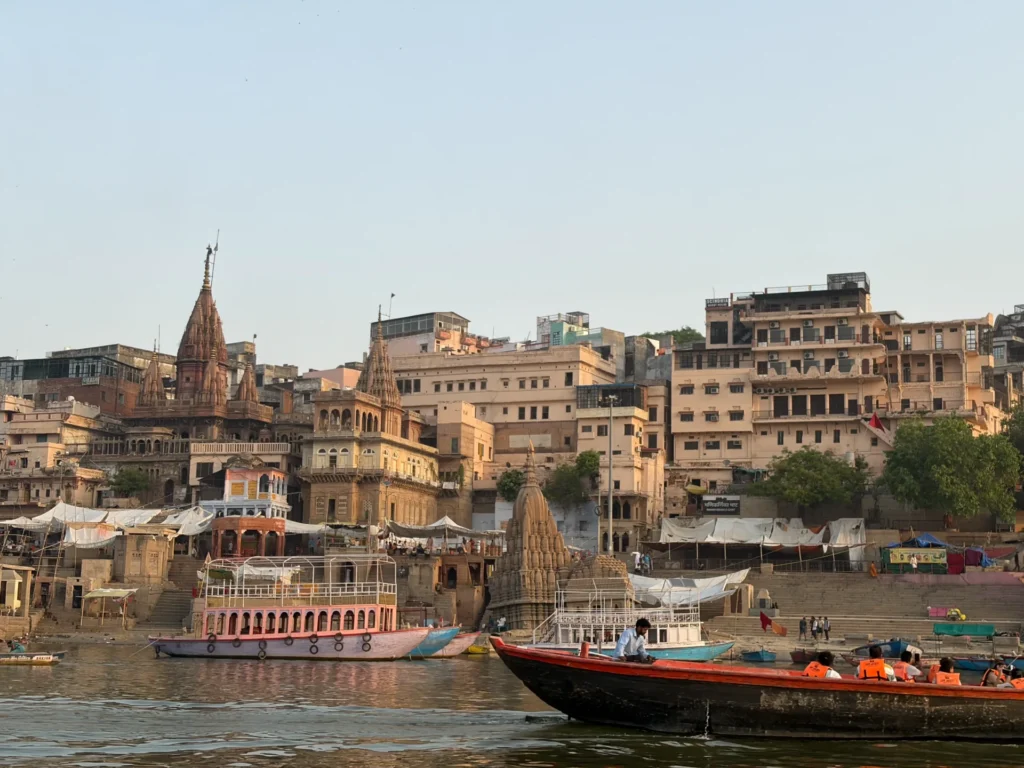
Although it may seem daunting at times, because of its particularly significant position in India’s spiritual and cultural history, making your travel arrangements to this old region of Uttar Pradesh are relatively straightforward due to upgraded facilities and improved transportation options allowing smooth and simple access to Varanasi direction from any location whether by air, rail or by road.
By Air: Lal Bahadur Shastri International Airport
Air transport is the easiest and quickest way to reach the Varanasi area. The Lal Bahadur Shastri International Airport (VNS) located in Babatpur about 26 km northwest of the old ghats, is the primary airport that serves Varanasi. Fitted with modern amenities and services, this efficient terminal receives multiple daily non-stop flights from most major cities in India such as Delhi, Mumbai, Bengaluru, Kolkata and many others.
Upon arrival at Lal Bahadur Shastri Airport, simply go to the official pre-paid taxi booth on the main level of the arrival hall and purchase a ticket that will get you to your destination (approximately ₹800 to ₹1200). Alternatively you may wish to consider taking a ride using one of the ride share apps, such as Uber or Ola, which operate well in Varanasi. Expect your cab ride to last 45 to 60 minutes, depending on both the route you take as well the heavy volume of traffic that exists with respect to the many people travelling to and from the markets throughout the daytime.
By Train: The Rail Lifelines
Varanasi is served by three major railway stations so there are plenty of choices for you based on where your train is traveling to.
Varanasi Junction (BSB): Also called Varanasi Cantt, BSB Station is the most important station and the busiest train station in Varanasi. A lot of long-distance express trains arrive at BSB each day.
Banaras Railway Station (BSBS): Formerly Manduadih Station, the new Banaras Railway Station is clean and quiet and is located 4 kilometers from the central ghat area.
Pt. Deen Dayal Upadhyaya Junction (DDU): DDU was formerly known as Mughalsarai Junction. DDU is located approximately 15 kilometers away from Varanasi and is used as an important transfer point for high-speed trains coming from Delhi and passing through Kolkata. Many high-speed trains traveling between Delhi and Kolkata do not stop at the main stations in Varanasi, making this an important alternative for you to remember!
By Road: National Highways and Buses
Road Transport
If you’re planning a road trip or already arriving from Lucknow, Prayagraj, and Bodhgaya—there are good road conditions. National Highway 19 (NH19) and National Highway 31 (NH31) provide easy access to the city.
The Uttar Pradesh State Road Transport Corporation (UPSRTC buses) has a variety of low-cost bus services departing from the Chaudhary Charan Singh Bus Stand, conveniently located immediately next door to Varanasi Junction train station. There are also many private sleeper buses that travel overnight along this route, making it very easy to plan multiple cities on one trip.
Local Transport
The following is an important and insider tip for all travellers that can help at any station or airport when you arrive: there are no motorised four-wheel vehicles allowed to enter the narrow lanes (galis) that run off the riverfront.
When you arrive at the station or airport, your vehicle will drop you off at one of the main peripheral intersections; in most cases, this will be Godowlia Crossing, Madanpura or Lanka. Within these areas, you will need to take either a shared or a private auto-rickshaw or an eco-friendly e-rickshaw. And a short hop across town (in an eco-rickshaw) will only cost around ₹20 to ₹50.
If your guesthouse is located deep inside the maze close to the water, you will need to walk the last leg of your journey. You will want to hire a local coolie (porter) when you arrive at the drop-off site, usually for approximately ₹100 to ₹200, to assist you with lugging your bags along the crazy, gorgeous curvy paths from the drop-off to your guesthouse.
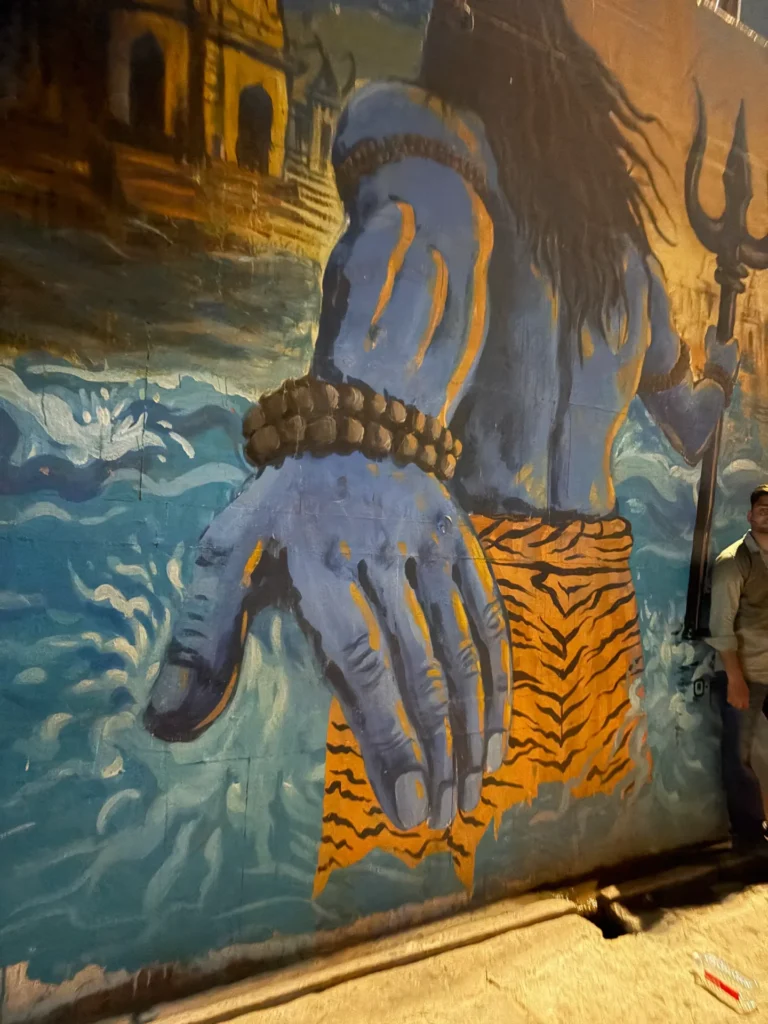
How Many Days Do You Need?
How long should I spend in a city where time seems like it could never end? This is something that every traveller needs to consider while creating their Varanasi trip itinerary. If you were to come through Varanasi quickly over one day, your experience could be that of sensory overload from the honking horns, thick fumes from the fires, and craziness of people moving around. However, if you spend only one day, stretching your time out over five days or more could lead to a fantastic experience!
To help you plan your journey at a perfect pace, I have written four different field-tested, timed itineraries based on traveller types that will help you achieve a memorable Varanasi experience.
The 1-Day Lightning Flash: The Bare Essentials
If you only have 1 day, a highly-detailed game plan is required. This one-day lightning flash itinerary will allow you to see only the most fundamental things to see in Varanasi without becoming too fatigued.For a more detailed step-by-step plan with exact timings and directions, explore our Varanasi 2 days itinerary.
05:30 AM: Enjoy a peaceful moment at dawn by taking in the beauty of the river. Board your boat at Dashashwamedh Ghat and have your boatman take you to see the palaces of the day as they awaken and row further north until you reach Manikarnika Ghat. Watch the glow of dawn illuminate the river with copper tones.
08:00 AM: Have a true Indian street-food experience when you stand in line at Ram Bhandar to enjoy kachoris filled with lentils, potato curry that packs heat, and fried sugar syrup soaked doughnuts known as jalebis.
10:00 AM: Give your bag and phone to a locker for safekeeping while you visit Kashi Vishwanath Temple located in the recently constructed Kashi Vishwanath Corridor, built with beautiful sandstone architecture.
03:00 PM: Take a break from the heat of midday at the air-conditioned Aatithya rooftop restaurant. Try the vegetarian thali to cool off. During the late afternoon, wander around Old City galis (alleys) near the central ghats and find small wooden handicrafts to purchase or treat yourself to a delicious yogurt drink filled with fruit at the famous Blue Lassi Shop. Go through the busy fabric markets of Godowlia Bazaar to see the original handwoven Banarasi silk sarees.
05:30 PM: Sit comfortably on the stone steps at Dashashwamedh Ghat to see the evening Aarti up close with all the other chanting people.
Day 2 Culture, History, Cafes
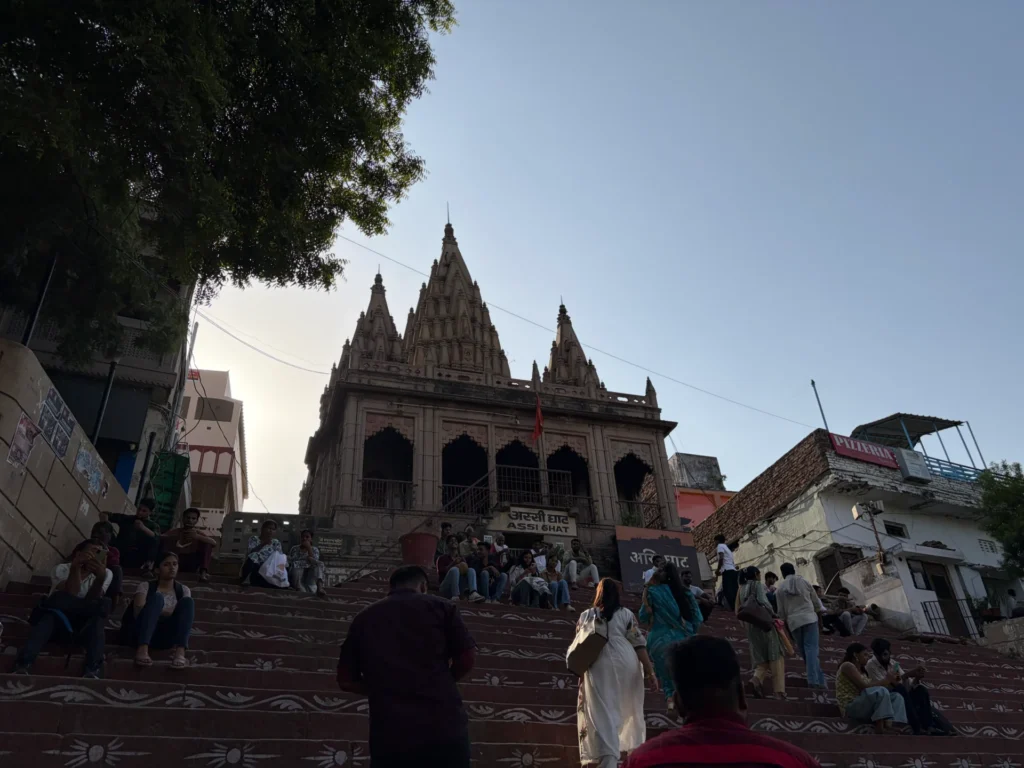
05:00 AM: Head down to Assi Ghat for Subah-e-Banaras to watch school girls chanting powerful Vedic mantras, listen to a classical morning raga performance and enjoy an open air mass yoga session with the sun rising.
08:30 AM: Enjoy a nice relaxed Western style wood fired breakfast at Brown Bread Bakery or apple pie at Pizzeria Vaatika Cafe right on the riverfront.
11:00 AM: Hire an auto rickshaw for a quick drive (about 10-kilometer from city chaos) to Sarnath, the peaceful deer park where the Buddha gave his first sermon. Visit and admire the very old Dhamek Stupa.
04:30 PM: Return to the city and walk unbroken along the stone steps from Harishchandra Ghat back to Assi Ghat capturing the soft, golden hour light shining off the temple tops.
The 3-Day Perfect Explorer of Balance: The Ultimate Immersion
With a 3-day itinerary, you’ll have time to appreciate what you’re seeing. Rather than rushing through monument after monument, you’ll have the chance to relax on the steps of the ghats for hours at a time while the rest of the world unfolds around you. To follow a structured day-by-day plan with restaurant recommendations and transportation tips, check out our dedicated Varanasi 3 day itinerary.
Days 1 and 2
To cover the major rituals on the river, Sarnath, and the main temples, follow the full 2-Day Classic Express route mentioned above.
Day 3: Hidden Stupas & Royal Forts
6:00 AM – Take a stroll along the quiet northern ghats to experience the lesser-known places like Panchganga Ghat and Scindia Ghat and photograph a large Shiva temple that is half buried in the river mud.
9:00 AM – Find a bowl of Malaiyo (saffron-flavoured frothy milk dew) in the old market area adjacent to Gopal Mandir where it is sold in the winter months.
11:30 AM – At the Kaal Bhairav Temple, where the locals come for spiritual permission to stay in the city, honor the fierce guardian deity.
3:00 AM – Cross the river by motorboat or taxi, and explore the crumbling sandstone walls of the Ramnagar Fort from the 18th century and enjoy the quirky museum of vintage cars and antique weapons.
6:30 PM – Enjoy a peaceful night listening to classical musicians play string instruments at a secret music Baithak (musical gathering) found in the historical Kabir Chaura neighbourhood where many artisans live.
A 5-Day Slow-Travel Immersion into Kashi
As you travel for five days to this location, you begin to feel less like a tourist who is being guided by a lens and more like you belong here. This timeline is specifically designed for photographers, writers, and individuals who travel slowly.
Day 1 to Day 3
Follow the full paced 3-Day Balanced Explorer itinerary to ground yourself into the geographical areas and cultural landmarks of this city.
Day 4: Universities, Art, and Wrestling
6:30 AM: Visit a traditional Akhara (mud-wrestling gym) located near Tulsi Ghat to see local kushti wrestlers training in mud and mustard oil-smothered surfaces.
9:30 AM: Spend your morning visiting the campus of Banaras Hindu University (BHU), a large, tree-lined, and peaceful site filled with numerous historical buildings like the spectacularly illuminated New Vishwanath Temple.
1:00 PM: Look for rare Indian miniature paintings, archaeological clay remnants, and sculptures at the Bharat Kala Bhavan Museum, which is located on the BHU campus.
4:30 PM – Go over to the large sandy deserted east bank of the Ganges River (the Uparwar) and see the sunset behind the stunningly-lit Varanasi Skyline on the other side of the river.
Day 5: Textiles and Beyond
9:00 AM – Take the extensive textile tour throughout the Muslim weaving pockets of Madanpura or Pilu Kuan. Sit inside a contemporary home-based workshop from the family of a master weaver observing him create beautiful cloth while using rhythmic hand looms, by threading real silver strands through varying blends of silk.
2:00 PM – Explore the Sankat Mochan Temple of Hanuman, where Tulsidas (a 17th Century saint) is said to have composed parts of the Ramayana (the world’s first book) and his companion monkeys roam throughout the grounds.
5:30 PM – For your last evening, find a secluded raised stone step at Rajghat or at Namo Ghat on the north end of the city, lay back with a clay cup of tea while observing the small floating oil lamps traveling downstream and soak in the feeling of a timeless city.
Traveling alone? Our complete guide for first-time solo travelers covers safety tips, budget hostels, and how to meet fellow travelers in Varanasi. For a classic north-India circuit, our Golden Triangle India tour adds useful route-planning context.
Accommodations
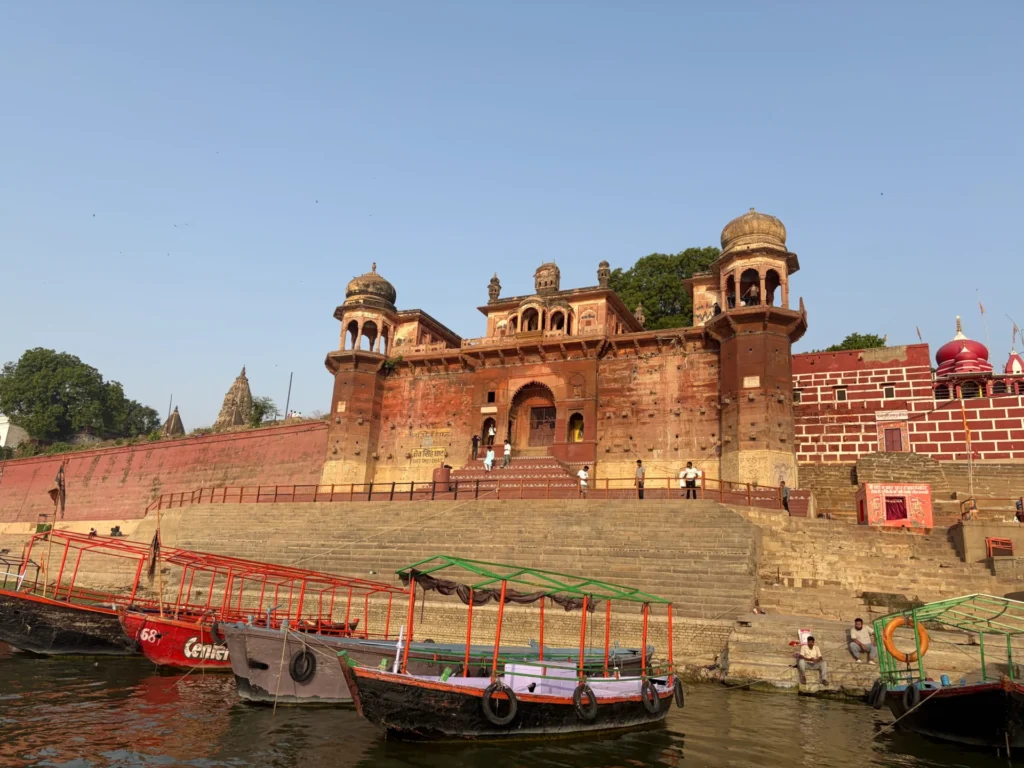
Your choice of lodging will greatly affect your experience of the city. Given that the geography is divided into two distinct areas; the busy historical riverside area, and the large, modern commercial districts, selecting a neighborhood that complements your style of traveling is half the battle. Whether you want to stay in a hidden courtyard backpackers’ hostel, or in a luxurious converted palace, choosing the right lodging location is essential for planning your Varanasi trip. For neighborhood comparisons, hotel recommendations by budget, and booking tips, dive into our detailed guide on where to stay in Varanasi .
Near Dashashwamedh Ghat: The Centre of Town
If you want to walk out your front door immediately into the action of Varanasi, this is the place for you to stay. Staying near the central ghats places you within walking distance of the evening Ganga Aarti, Kashi Vishwanath Temple, and the frenetic energy of Godowlia Crossing Market Place.
However, this area has some disadvantages: it is loud and crowded, and all traffic including cars and auto-rickshaws cannot access this part of town. Therefore, you will need to carry your luggage to your accommodation through narrow alleys, on foot. The accommodation options in this area are primarily small family-run guest houses and heritage properties, or older, lower-cost hotels directly on the banks of the Ganga River. If you are looking for total atmospheric immersion in Varanasi, this is the best neighborhood in the city!
- The BrijRama Palace is situated on Darbhanga Ghat, being constructed in the 18th century, it is one of the oldest buildings in Varanasi. The palace is filled with elegant rooms which provide a beautiful view directly onto the river. The cost to stay at the BrijRama Palace ranges between ₹25,000.00 and ₹45,000.00 per night.
- The Ganpati Guest House, located at Meer Ghat, has been an extremely reliable place to stay for many years. The property offers a beautifully decorated and colorful courtyard, with a roof terrace overlooking the river, where you can enjoy some time dining on top of the guesthouse. The average price for a basic room at the Ganpati Guest House ranges from ₹3,000.00 to ₹6,000.00 per night.
Assi Ghat: A Creative Hideout
Assi Ghat is the southernmost part on the riverbank and is a preferred retreat for long-term travellers, artists, digital nomads, and backpackers. The streets are wider in this section of town, the traffic much lighter, the cafés offer everything imaginable (including wood-fire pizzas and vegan smoothie bowls), and it just feels less crowded than the central ghats, while still being relatively easy to get to the river. If you want to experience the morning cultural Subah-e-Banaras rituals but do not want to spend twenty minutes in the dark getting lost in poorly marked alleys at five AM, then this location is perfect for you.
- goStops Varanasi is an excellent, highly rated, and busy backpacker hostel only a short walk from the ghat steps. It has plenty of common areas, clean dormitory beds, and organized day walks every day. Expect to pay approximately ₹600- ₹1,000 per night for a dormitory bed and approximately ₹2,500- ₹4,000 for a private room.
- Hotel Ganges View is a very nice boutique hotel located at Assi Ghat with many traditional artistic pieces, old wooden furniture, and a cultured environment. Room rates vary between ₹7,000- ₹12,000 per night.
The Cantonment (Cantt) Area: Combining Modern Luxury and Peacefulness
The Cantonment district is located around the Varanasi Junction Railway Station and contains many broad streets, first-class hotels, major businesses, and other Western-style amenities.
The benefit of the Cantonment area is that it is accessible via taxi or luxury vehicle directly in front of the hotel’s lobby entrance. It’s also a good place to stay for families and corporate travelers, as well as for anyone who wants a clean, quiet, comfortable place to return to after visiting the hot and noisy parts of the city. However, the distance from the River is 5 to 7 kilometers, so expect to pay between ₹150-₹300 for each auto-rickshaw ride to visit any of the Ghats.
- The Taj Ganges in Varanasi: A large luxury 5-star hotel set on 12 acres of beautifully landscaped gardens. Perfect for relaxing from the surrounding noise. Rates start at ₹18,000-₹35,000 per night.
- Radisson Hotel Varanasi: A very nice, very comfortable, upscale business hotel with an outdoor swimming pool and excellent dining facilities. Rates are around ₹8,000-₹15,000 per night.
Balancing Your Budget: From Hostels to Palaces
Accommodations in Banaras can be divided into three distinct price categories:
Accommodation Rate: Budget (Hostels) – ₹500 – ₹2,000;
Mid-Range (Boutique/Guest Houses) – ₹3,000 – ₹8,000;
Luxury (Heritage Palaces/5-Star Hotels) – ₹15,000+.
- Budget – Hostels and basic homestays. Expect a warm bed in a shared room or a clean private space with an air conditioner and your own washroom.
- Mid-Range – Boutique hotels or guesthouses on the riverfront. Expect reliable air conditioning, hot running water, an on-site restaurant, and sometimes a view of the Ganges.
- Luxury – Heritage Palaces and five-star resorts. Expect luxurious amenities (spa, fine dining, private boat rentals) in an exclusive, historically important location.
Top 10 Things to Do in Varanasi
When you’re thinking about Varanasi things to do, you will be pleasantly overwhelmed by all of the choices available to you. Varanasi doesn’t have traditional tourist destinations; rather, it has an ever-evolving tapestry of monuments and events that represent the ancient traditions as well as current ceremonies. If you want to know what each of these activities are, and to have a greater understanding of Kashi, then this list provides a guide to the best that Varanasi has to offer you.
-
Morning Boat Ride On The Ganges River
If you are going to enjoy a unique experience in Varanasi, I recommend that you participate in a boat ride on the Ganges River at 5:30 AM as you watch the city awaken. As your boatman floats next to majestic buildings built long ago by the great Mughal emperors, you will see the early morning sky begin its transformation from deep blue to soft red as the sun begins to rise, and as you look around, you will see many pilgrims taking their morning bath to wash away their sins. If you would like to enjoy the experience on a private rowboat, it will cost you approximately ₹300 to ₹500 per hour, and it will allow you to see the life and death cycle on the ghats near the shore. Get the insider tips in our morning boat ride Varanasi Guide.
-
Observe the Ganga Aarti at Dashashwamedh Ghat.
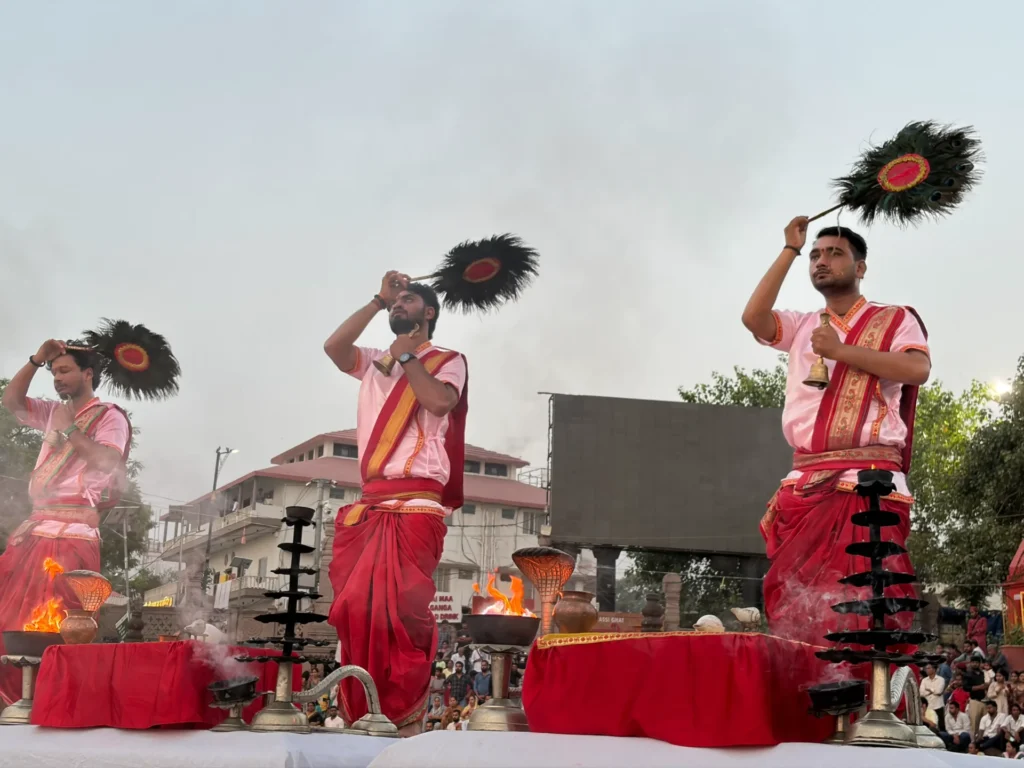
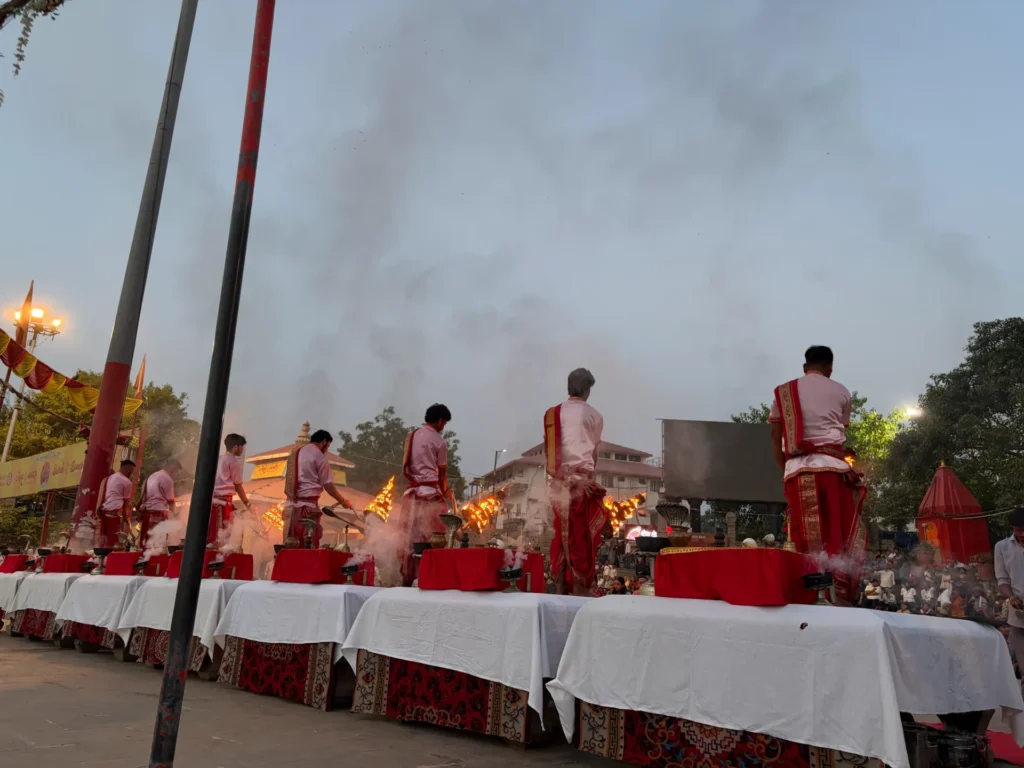
In the evening, once the sun goes down and darkness has enveloped the surrounding area, Dashashwamedh Ghat becomes a large outdoor theatre for the performance of Ganga Aarti. Young men dressed in saffron-orange robes take turns performing an elaborate synchronized ceremony using large multi-level brass lights filled with burning camphor. Accompanied by the sounds of conch shell horns and heavy decorative temple bells ringing in time, they perform the ceremonial action with great energy and reverence. You can enjoy this spectacle from either the crowded stone stairs around the area or by sitting in a traditional wooden fishing boat while watching the show unfold on the surface of the black water. For viewing spots, timing details and photography tips, read our complete guide to the Ganges Aarti of Varanasi.
-
Visit Kashi Vishwanath Temple.
Kashi Vishwanath Temple is a shrine devoted to Lord Shiva (Mahadev), who is believed to be the creator and controller of all creation. Its location makes it the spiritual centre of the city of Kashi (also known as Varanasi). The temple complex is enormous, with sandstone walkways leading visitors through the many sections of the temple. The center towers of each section are covered with over 800 kilograms of pure gold. Being one of many thousands of ecstatic Hindu pilgrims, using the common chant “Hara Hara Mahadev,” at the Kashi Vishwanath Temple will provide you with a truly once-in-a-lifetime experience, giving you a glimpse into the depths of Hindu worship and devotion. Learn about the temples history, entry rules, and what to expect inside in detailed guide to the Kashi Vishwanath Temple.
-
Take a Morning at Assi Ghat
Located at one end of the riverfront in Varanasi (India), Assi Ghat is big and artistic; it gives visitors the feeling of being all alone in an art studio with other artists but with a view of the river. It’s a perfect spot to relax over a cup of masala chai; to sit for hours watching local sadhus meditate under bamboo umbrellas; or, conversing with artists sketching around the river. Assi Ghat has the feeling of being a public square where the ancient world meets the modern/slow travel world. Discover everything about the artistic hub in our Assi Ghat complete guide.
-
Explore the Ancient Gali of Kashi
The real magic of the city is found just behind the riverfront, within the galis a tiny cave of narrow, ancient, stone-paved alleys. Squeezing through these narrow passages entails dodging wandering holy cows; discovering tiny shrines tucked into pastel buildings; and breathing in the fragrance of marigolds and the smell of food frying street style. It’s an incredible living museum where people have lived for hundreds of years and continue to live in the same way, out of sight from most people. Get lost intentionally with our guide to walking through the lanes of Varanasi.
-
Visit Sarnath
Escape the chaos of the ghats and head 10-kilometer away to Sarnath where you’ll be able to enjoy a peaceful deer park. This is the site where Gautama Buddha preached his first sermon after he reached enlightenment under the Bodhi tree. There you will get to experience an amazing sense of calm as you walk around the manicured ruins of the monastery and gaze at the incredible 43-meter-high Dhamek Stupa. Plan your visit with our comprehensive Sarnath travel guide for first-time visitors.
-
Sample Local Street Food
The vast selection of delicious vegetarian comfort food will keep you satisfied no matter what time of day it is. Start your day at Ram Bhandar, waiting in line for some crispy deep-fried Kachori Sabzi, and then cool down with a rich fruit-flavoured Lassi beverage from the Blue Lassi Shop. Top off your night with a sweet Banarasi Paan. On any trip, sampling these centuries-old recipes is one of the best ways to experience the culture. Find the exact location, opening hours, and menu recommendation in our guide to the best street food in Varanasi.
-
Subah-e-Banaras
To feel the riverfront’s aesthetic energy at its pinnacle, wake up at 5:00 AM to attend Subah-e-Banaras at Assi Ghat. This dawn festival starts with Vedic chanting and ends with a group yoga session held on the stone platforms. The time between the chanting and yoga features live performances of classical music. By way of a beautiful morning raga performed by classical musicians just as the sun rises over the horizon, you will be completely grounded and ready to start your day. Read our complete travel guide to Subah-e-Banaras for schedules, what to bring, and insider tips.
-
Local Market Shopping
Local markets such as Godowlia Bazaar and Thatheri Bazaar are fun adventures for all of your senses. They are filled with colorful copper utensils, clay toys, fragrant spices, and beautiful Banarasi Silk sarees with intricate silver brocade. Going to the local shops to bargain while enjoying a cup of chai is an activity that should not be missed if you want to bring back something unique.
-
Discover your city by taking a heritage walking tour through a local guide.
You will unlock the secrets of the cities many layers of history, mythology, and hidden alleyways by hiring a knowledgeable local guide to do a heritage walk with. The expert storyteller will be able to inform you on the complex architecture of the old havelis (courtyard homes), introduce you to the hidden Akharas (wrestlers’ studios), and provide you with insight as to the philosophy behind the cremations at the Manikarnika Ghat (cremation ghat). This will allow you to have a different view of the city and truly understand it. Explore recommended routes and hidden spots in our heritage walk in Varanasi guide.
Famous Ghats of Varanasi
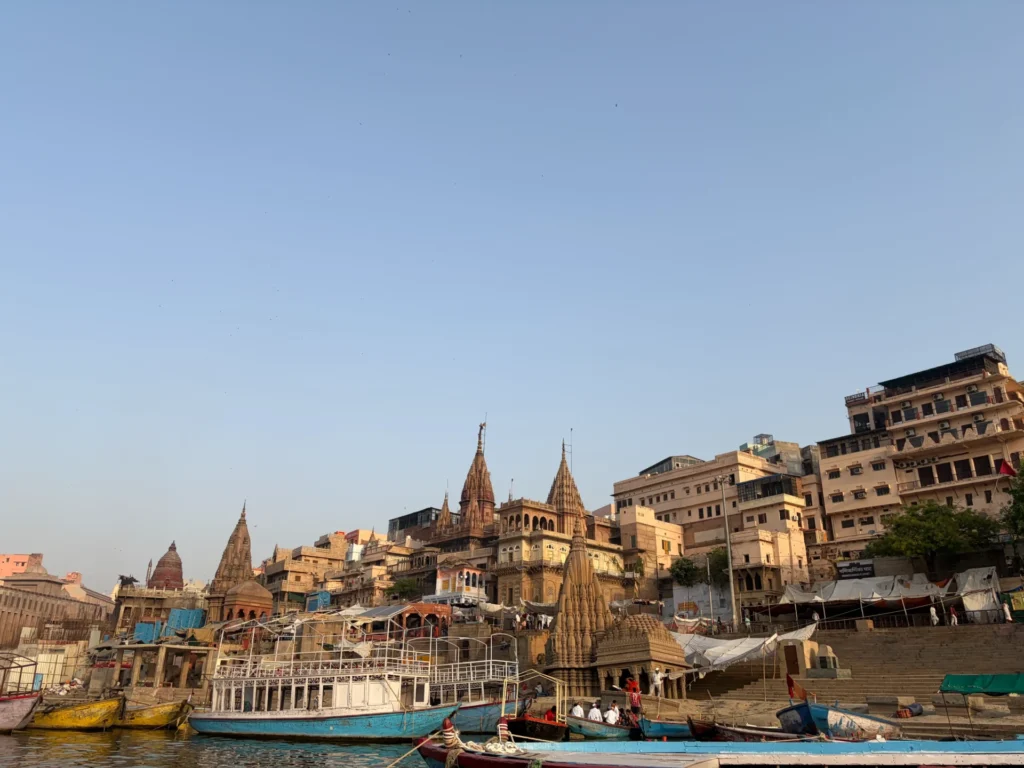
The principal ghats of Varanasi can be considered as the two principal sources of water in the city. The relationship between the human experience and the Ganges River is one between life and death which has been expressed through art and literature. While this relationship has been defined as dominating – Kashi is the birthplace of Hinduism, the worship of the river has produced many artistic forms of expression from Hindu traditions. The river itself has been a constant in Kashi’s history since the first settlers arrived and will continue to serve the people of Kashi until the end of time. For a complete overview of all major ghats with maps and visiting tips, explore our guide to the iconic Varanasi ghats.
Assi Ghat: The Creative and Calm Thinker
Assi Ghat serves as the optimum location for creative contemplation and relaxation. It has long been a favorite gathering place of painters, authors, university students and travelers who are on their way to or from Kashi. The ghat is quite large and breezy and has a much different feel than the other ghats on the Ganges River.
The overall feel is calm. Slow mornings reading on stone ledges and long nights sipping sweet chai from clay cups sitting beneath peepal trees create a peaceful and intellectual environment. This is part of the peaceful and intellectual character of the city’s heritage; you can sit and watch the river flow for hours, and there will never be anyone pressuring you to do anything else with your time. Dive deeper into this creative hub with our Assi Ghat complete guide.
Dashashwamedh Ghat: The Grand, Flamboyant Performer
Dashashwamedh Ghat is a large, ostentatious performer that represents the vitality and excitement of the reverse front. During the day, it operates like a loud marketplace with barbers cutting hair, priests sitting under large woven cane canopies applying sandals on people’s heads, and tow operators trying to sell their services loudly.
At night, it is the location for the world famous Ganga Aarti ceremony. The amount of energy being produced by the crowd is overwhelming; the ethereal beauty of the colour flashes, the heavy incense from the burning spirit of the Ganga joined with the chanting of all those voices creates an unbelievable atmosphere of spirituality. Dashashwamedh Ghat also serves as the true spiritual centre point for the entire city and is an incredibly present and present point in time; there is nothing subtle about this place. Learn about its history, best viewing spots for aarti, and nearby attractions in our Dashaswamedh Ghat complete guide.
Manikarnika Ghat: The Solemn Gateway to Liberation
If you visit Manikarnika Ghat on foot or by boat, it will be a journey that will quiet your voice no matter how much you would like to talk. There is an ancient fire at this cremation ground that has burned continuously for thousands of years and due to this burning, the site operates continuously as the primary cremation ground of Kashi.
Manikarnika is an example of looking into the raw, unrefined essence of Hindu philosophy; it is a physical representation of the fact that death is a process, not just something that is hidden away from view behind the walls of sterile hospitals, but rather an actual representation of the process of dying, an act performed in front of others and done with dignity. Rows of wood surround the banks of the river and relatives of the deceased stand quietly contemplating the fire while watching the flames flicker on the aged stone walls of buildings.
A Note About Respect: It is important to understand that you are in a place that has a lot of emotion and transitions; you should make every effort to reduce distractions and remove your cameras and smartphones long before arriving at the entrance of the ghat this means taking some time to prepare for your visit as photography of the that is strictly forbidden and maintaining a quiet, respectful distance is extremely important. For historical context, spiritual significance, and respectful visisting guidelines, read detailed Manikarnika Ghat guide.
Harishchandra Ghat: The Silent, Ancient Guardian
Harishchandra Ghat is the second cremation ghat on the banks of the Ganges River and is located farther south than Manikarnika Ghat. It is also considerably older than Manikarnika.
This cremation ghat is named after an ancient mythical king named Harishchandra, who sacrificed his kingdom, wealth, and family to maintain the truth. This ghat has a very somber and historical feeling. Currently, an electric crematorium has been constructed on the top (to reduce the amount of wood used) at Harishchandra Ghat, although there are still plenty of traditional wooden pyres burning in a more minority fashion on the muddy riverbank below. Because of its location and lack of activity, Harishchandra Ghat provides visitors with a much less busy and frantic experience than Manikarnika Ghat and allows for a much more contemplative visit in relation to the city’s complicated association with death. Explore the legend of king Harishchandra and this ghats historical importance on our Harishchandra Ghat guide.
Panchganga Ghat: The Mystic and Multi-Layered Sage
Panchganga Ghat is a huge and beautiful architectural structure located toward the north end of the banks of the Ganges River. It appears like a time capsule returning to a very distant historical period. The name of this ghat is derived from the belief that five holy rivers (Ganges, Yamuna, Saraswati, Kirana, and Dhutapapa) flow together under the foundation of the ghat before eventually flowing into the Ganges River above ground. Discover the mystical stories and architectural beauty in our Panchaganga Ghat guide.
Beyond these famous ghats, Varanasi has many hidden ghats waiting to be discovered. If you are an early riser and photographer, checkout the best ghat for sunrise in Varanasi and our Tulsi Ghat guide for a peaceful alternative to the crowded main ghats.
Must-Visit Temples
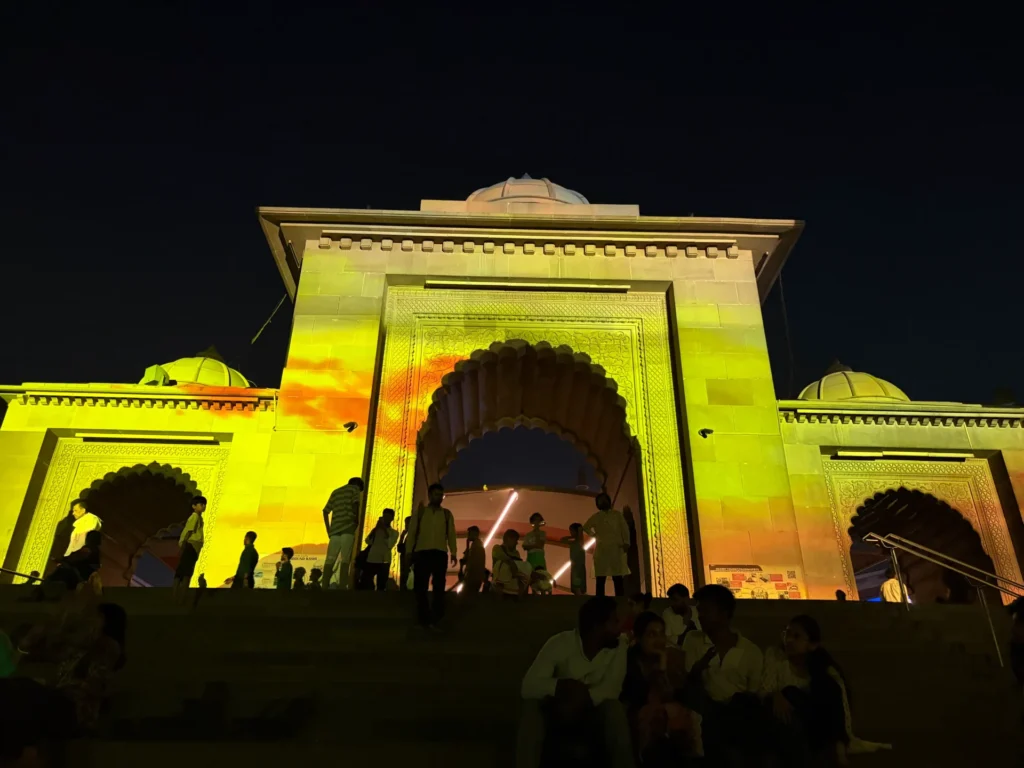
Banaras may be an open-air shrine, but its ancient temples, made from carved stone, are powerful centers of devotion. These sites can feel very chaotic while you are in them, so having some familiarity with what they symbolize will enhance your experience. There are 5 temples that you shouldn’t miss when you visit Banaras trip, so we have listed them for you below.
Kashi Vishwanath Temple: The Golden Anchor
The Kashi Vishwanath Temple, which is located at the center of Banaras, is dedicated to Lord Shiva and identifies him as the Lord of the Universe. The temple is surrounded by 800 kilograms of pure gold on the temple’s main spires and is home to one of the most sacred symbols of Shri Shiva, the Jyotirlinga (self-generated image of Lord Shiva). You can walk along the modern sandstone corridor that leads from the temple the Kashi Vishwanath Corridor all the way down to the river, which offers a beautiful blend of ancient religion and modern construction.
Kaal Bhairav Temple: The Chief of Police of the Universe
With its location in the bustling alleyways of Kotwali, Varanasi, this Kaal Bhairav temple is the home to one of the most powerful forms of Shiva Kaal Bhairav who acts as the police chief/government official of the city. According to tradition, all travelers (visitors) need to see him before they can arrive and stay permanently in Kashi/Vaarnasi. As an offering, many devotees give a combination of black sesame seeds, mustard oil and/or alcohol as a form of offering to him, after which pilgrims are given a piece of black thread to place around their wrists for protection. Plan a visit with timings, location, and cultural context in our Kal Bhairav Temple Varanasi guide.
Sankat Mochan Hanuman Temple: The Solution to Every Kind of Problem
Founded by the saint/poet Tulsidas in the early 1500’s, this beautiful Sankat Mochan Hanuman temple is dedicated to Lord Hanuman (the monkey god) who relieves people of sorrow and/or troubles (hence the term “Sankat Mochan”). Wild monkeys have made their home in this temple, adding a lot of character and a great deal of activity to the visitors to this pujaris’ temple. Additionally, this temple has a very soothing/meditative/music-like atmosphere, and you should definitely try the famous sweet orange “Besan Laddoos” (a type of Indian sweet) that are sold in the temple food counter for around ₹100 to ₹200. Read more about Tulsidas legacy and visiting hours in our Sankat Mochan Temple guide.
Durga Kund Temple: The Bright Red Temple
Constructed by a young royal widow from Bengal in the 1700s, the temple is bright orange-red in colour and therefore conveys the same powerful nature of the goddess Durga as symbolized by the colour of the goddess herself. It is located next to a large historic reservoir (or kund) and features beautiful Nagara-style spires that are typical of northern Indian architecture. According to legend, the statue inside the temple was not cut by human hands but was formed organically to prevent evil spirits from entering the town through its southern boundary. Explore vibrant red architecture and monkey inhabitants in our Durga Temple guide.
Annapurna Temple: Goddess of Food
This beautiful temple sits just a short walk from the golden Kashi Vishwanarth temple and contains the effigy of Goddess Annapurna, a manifestation of Parvati, the goddess of food, sustenance and material goods. In myth, even Shiva had to plead with her for a meal to keep the earth going. Only once a year, on the day of Annakut, does the public have the opportunity to see the enormous golden statue of the goddess in the temple courtyard. The temple continues this tradition of feeding the hungry by operating an enormous free community kitchen that feeds thousands of pilgrims every day at midday. Learn more about goddess of nourishment and temples charitable work in our Annapurna Temple guide.
Do not miss the powerful Maha Mrityunjay Temple, dedicated ti Shiva’s death conquering aspects, located near the ghats.
Ganga Aarti Guide
When planning your Varanasi what to do, don’t miss out on attending one of the Ganga Aarti ceremonies held to pay respect to the sacred Ganga River through the combination of fire, music, and devotion!
When to Attend
- Evening Aarti – Daily at Dashashwamedh Ghat with a synchronized performance by a group of priests beginning approximately 6:45 PM in summer; 5:45 PM in winter. For the best viewing, find a spot on the central stone steps directly across from the wooden platforms or on the rooftop terraces of adjacent buildings.
- Morning Aarti – Daily at Assi Ghat beginning at 5 AM (5:45 AM in winter). This is a much quieter and peaceful experience that features beautifully performed classical Indian ragas each morning.
Boat vs. Ghat Experience: Pros & Cons
Choosing where to sit drastically changes your view of the ritual:
- Ghat: If you decide to watch the evening ceremony at the Ghat, you’ll be right in the middle of it all, amongst the chanting crowds, clanging bells and the smell of burning camphor. The Ghat has no party fees but is customary to give the person in charge of setting up a chair between ₹20 – ₹50 as a small token of gratitude. It is important to note that the Ghat can also be quite claustrophobic due to the amount of people present.
- Boat Rental: Boat rentals on the water will have a spectacular view of the priests from directly in front. The price to sit in a shared boat rental is about ₹100 to ₹200 each or for a private rowing boat it will cost between ₹1,500 and ₹2,500. The downside however, is that while on a boat rental you will not have as much of a connection to the sheer energetic chaos that exists on the Ghat.
Helpful Hints on Visiting
To get the most out of your spiritual experience, arrive at least 45 minutes before the ceremony starts to allow yourself enough time to get a good spot before the rush of people arrives. You are not required to dress up for this experience but to show respect for the local culture you must cover your shoulders and knees with a more modest outfit or light linen shawl.
Guide To Boat Ride On Ganges River
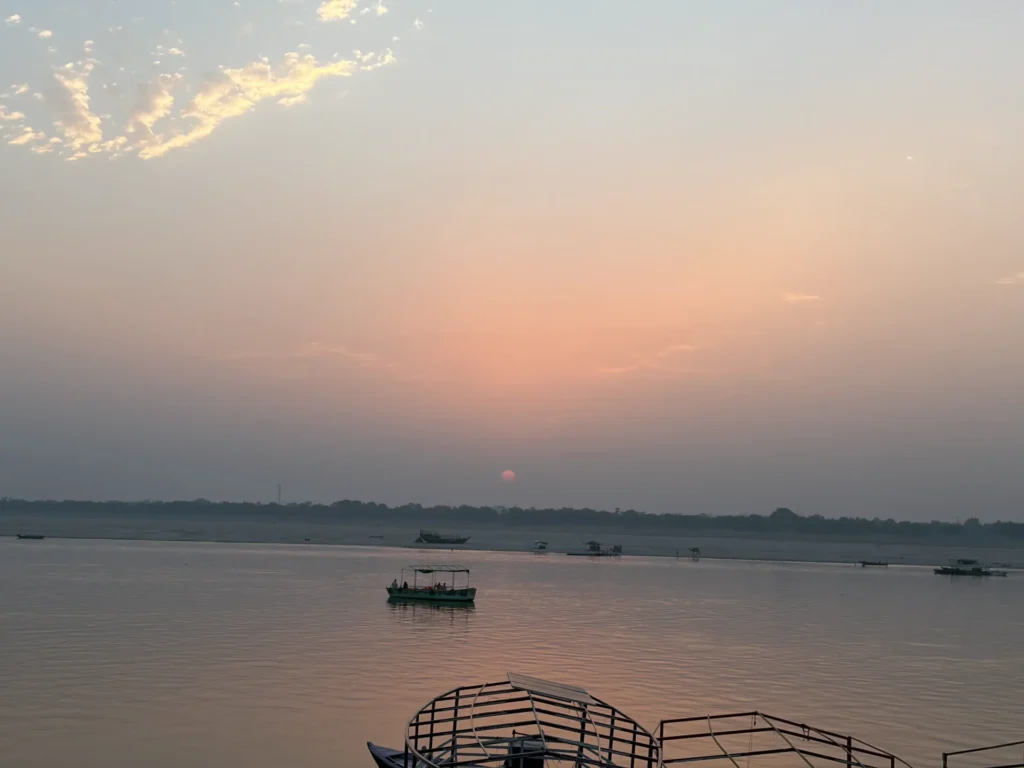
Taking a boat ride on the Ganges River, and floating down the river, is a must for visitors to Banaras. As you float down the river, the amphitheater of ancient, stone palaces awakens before your eyes with radiant majesty in a way that cannot be seen from the banks of the river.
Sunrise vs. Sunset
- Sunrise Cruises – witnessing the sunrise while riding along the river is the ultimate highlight of the river experience. The first light of day illuminates thousands of devotees who are taking a dip into the holy water at around 5:30 AM and you feel absorbed in this moment of tranquility and serenity as you float along the river and see the soft early morning light at its finest.
- Sunset Cruises – approximately 5:00 PM you will start your riverboat sunset cruise and experience the majesty of the brilliant colors of the sunset as you slowly move to a location which directly overlooks the steps of the Dashashwamedh Ghat and bear witness to the magical experience of watching the evening Aarti ceremony from the river.
Options for Nautical Travel plus Reasonable Pricing
- Privately Hand Rowed Vessels: The authentic, tranquil way to maneuver through the rivers. A typical price for a single-use ticket will be between ₹300 and ₹500 per hour, although there should be negotiation prior to any agreement being made.
- Shared Motorized Boats: A significantly less expensive option than privately hand rowed vessels. Pricing is typically between ₹100 to ₹200 per seat for a standard round trip to the large cremation site in Central Kashi.
- What to Anticipate: As soon as you step onto the banks of the river, you will be approached by many boatmen offering you their services. Always ensure that you understand the total cost of your trip, how much time your boat will take, and what ghats will be included before you step onto the wooden planks.
Guide to the Cuisine of Varanasi
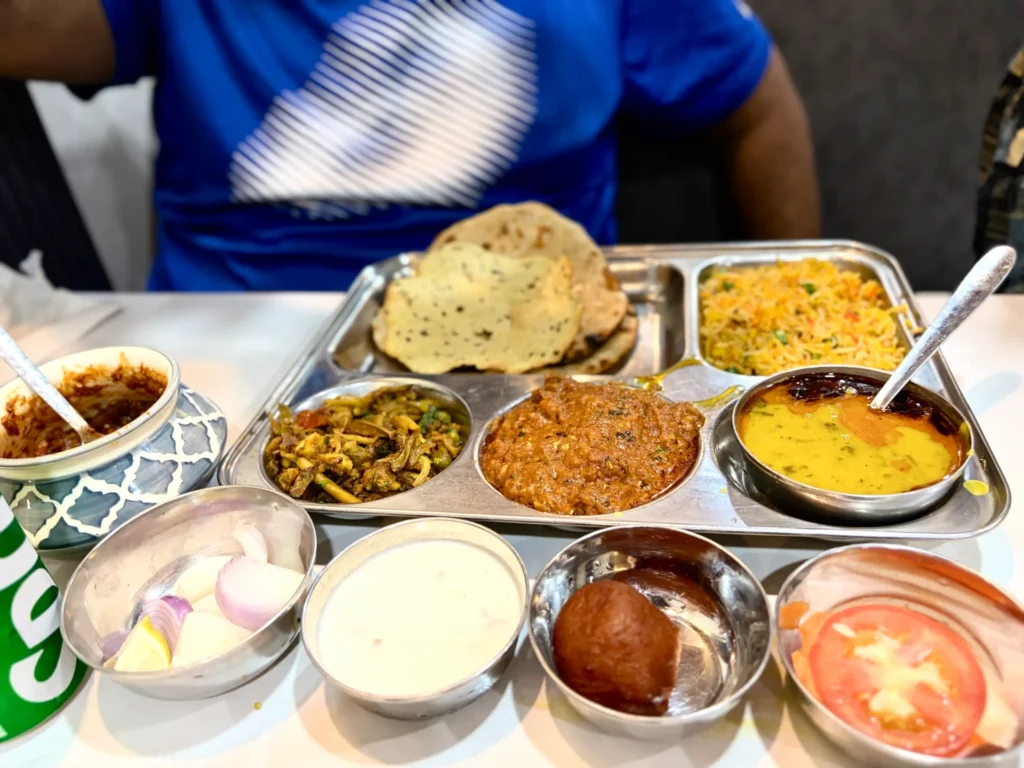
The food map of Kashi is an explosion of 100 percent vegetarian, fried comfort foods, and creamy sweets. Walking through the alleyways sampling the food is, by far, one of the most fulfilling Varanasi things to do.
Traditional Savory Foods:
Kachori Sabzi: The most commonly eaten morning food. Kachori sabzi consists of a deep-fried dough ball, filled with a mixture of lentils that are highly spiced and then covered in spicy potato and chickpea curry. A hot plate of kachori sabzi can be purchased at Ram Bhandar in Thatheri Bazaar for approximately Rs 40.
Tomato Chaat: Unique dish made with tomato, potato and spices and served in a traditional clay pot. Hot and bubbling, topped with Sev and sugar syrup. Best place to try this is Kashi Chowdhary Chat Bhandaar by Godowlia Chowk.
Sweet Treats
- Malaiyo (Winter Months): A magical dessert created from whipping milk cream in the open air at night during the winter season until it has a pillow-like texture, flavoured with saffron, cardamom and pistachios. Available on the street by Gopal Mandir during the morning for around ₹50.
- Banaras Lassi: Very thick lassi made from hand-churned yogurt and served in disposable clay cups (kulhads) with a huge dollop of clotted cream (rabri) on top. Try the exotic fruit flavours at the famous Blue Lassi Shop located in an alley near Manikarnika Ghat.
- Jalebi & Rabri: Best enjoyed late at night and early in the morning, combination of hot, crispy jalebi and cold, slow-cooked milk rabri is heavenly. You can find excellent vendors making fresh jalebis and rabris at each major street corner of Vishwanath Gali.
Your culinary quest will not be complete without trying this traditional dish at the conclusion of your meal – Banarasi Paan. A fresh betel leaf is carefully filled with a mixture of areca nut, slacked lime, and sweet rose petal paste called “Gulkand” before being rolled into a perfect parcel for you to consume. Make your way to Keshav Tamboli near Lanka for an original Banarasi Paan experience that has an unbelievable melt-in-your-mouth quality.
Shopping Guide
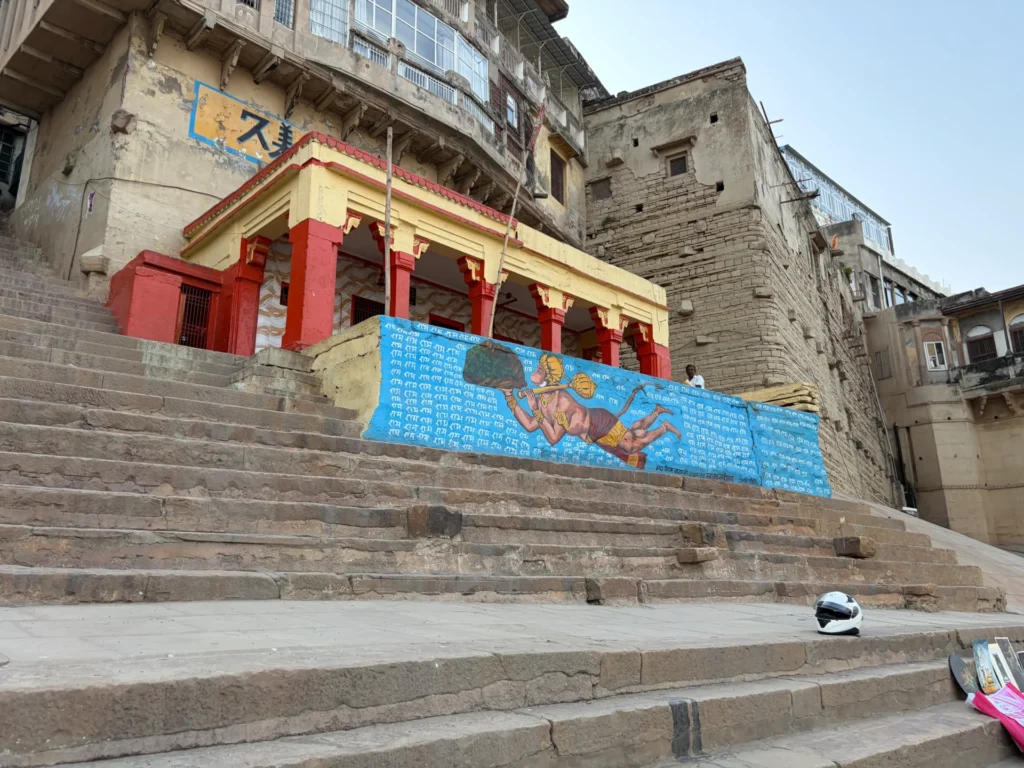
Navigating away from the riverbanks and into the frenzied commercial streets is an experience where you will literally feel like you’re stepping into a treasure vault that has been growing its wealth for centuries. The markets in the city are alive with colour, hectic, and full of items that are tied to local myths, ancient crafts and centuries-old sacred practices. Finding out what to buy and where to buy it will turn the artwork of souvenir shopping into the highlight of your Varanasi trip.
The Crown Jewel: Banarasi Silk Sarees
The world knows Varanasi for the magnificently detailed Banarasi Silk Sarees that are woven with the finest Zari work (gold/silver brocade). The Banarasi Silk Sarees are handcrafted using traditional weaving techniques on wooden looms by generations of highly skilled weavers (Ansaris). These sarees are true masterpieces of wearable art.
Caution: There are many cheap synthetically made versions (made from synthetic fibre) that are made from factories, that are of a much lower quality than authentic hand-woven silk sarees, which take two weeks to six months to weave, and cost between ₹5,000 and over ₹1,00,000. To ensure you are buying authentic products that you are supporting the local artisans who made the product, buy from shops or distributors that display the “Silk Mark Label” issued by the government, or purchase from authorized cooperative emporiums (like the Varanasi Handloom House located in Nadesar).
Devotional Keepsakes
- Rudraksh Malas (Prayer beads): Please do not confuse them with ordinary beads, they come from the sacred fruit of the Elaeocarpus ganitrus tree and are used as a form of devotion to Lord Shiva. You will generally find them sold in very large clusters in shops along Vishwanath Gali. To identify a true Rudraksh bead, they are quite heavy in comparison to other types of beads, they have distinct facets along their surface, and if you drop them into water they will immediately sink. A basic chain of these beads can be purchased for approximately ₹150 to ₹500.
- Brass Items and Spiritual Items: Varanasi has a long-standing and famous history of metal casting. You can find numerous multi-generational shops with brass idols of gods, elegant brass oil lamps, and large brass ritual bells in the narrow streets of the Thatheri Bazaar. The price of these items is generally based on the total weight of the object (it has to do with the weight of metal in the object) and also how intricate the craftsmanship is on the object.
Local Crafts and Wooden Items
- Grown-up Toys and Lacquered Wooden Items: The Khojwan area of Varanasi is home to an old and unique disappearing art form of creating brightly colored hand-carved wooden toys. Made from the lightweight Gulaal tree and finished with natural lacquer, the wooden toys that are available in Khojwan, such as a variety of animal figurines, tops, and kitchen utensils are both beautiful and completely sustainable.
- Stone Carving Products: Among the products you’ll find in the market are beautiful stone carvings made from soft stones, especially very small replicas of Shiva Lingam sculptures and intricate, hand-carved jali-style incense holders made from locally available soapstone.
Bargaining Tips for the Visitors to Moderate Price in the Bazaars.
When you visit bazaars (like Godowlia Bazaar), remember that friendly bartering is a customary practice in local businesses. Most touts will give you a price that is 30% to 50% higher than the regular price when selling to an international visitor.
When you are bargaining, smile at all times, offer an amount that will give you a counter-offer, and be willing to go to the next store if the owner does not want to work with you. Many times, just walking out of the doorway of a store will cause the vendor to dramatically decrease (or sufficiently lower) the price they are asking.
The Guide to Photography
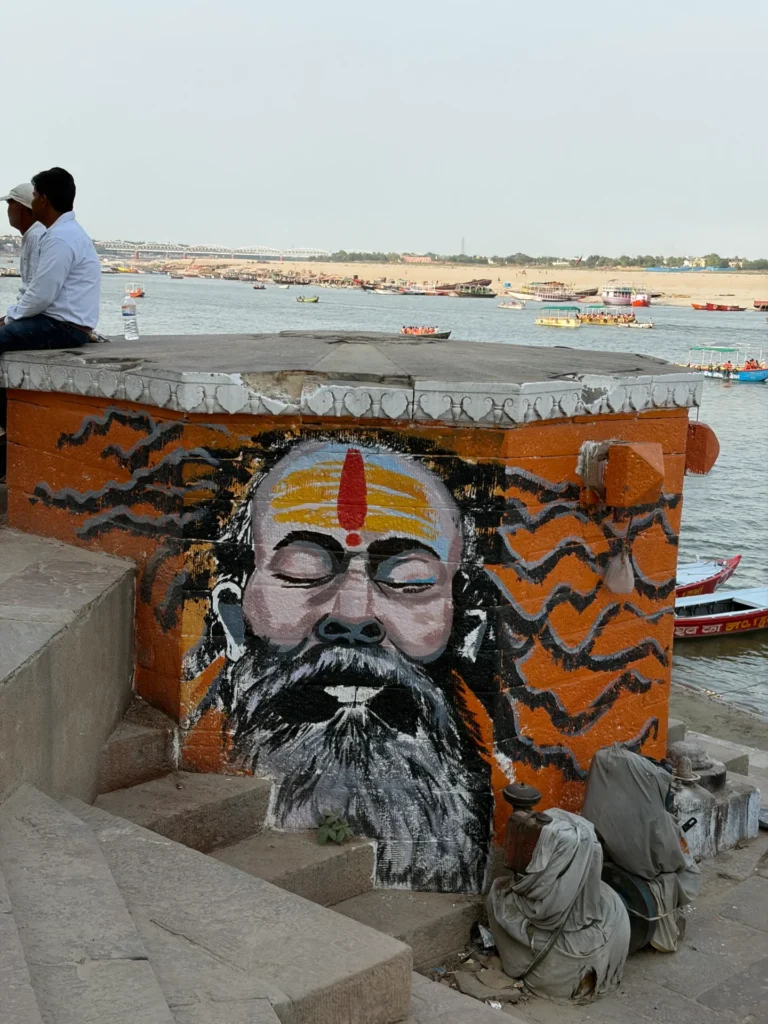
If you are a visual storyteller, Varanasi (Kashi) is, quite simply, an artist’s dream! With crumbling pastels, ancient religious and historical architecture, and human emotion in extremes, there is nothing that compares to Varanasi (Kashi). However, in order to capture the magic of Varanasi (Kashi), there is a technical timing and cultural respect required in order to fully appreciate the beauty. This section will help you plan your use of light in the context of capturing frames that tell a story while in Varanasi.
Sunrise from the Water: The Ultimate Canvas
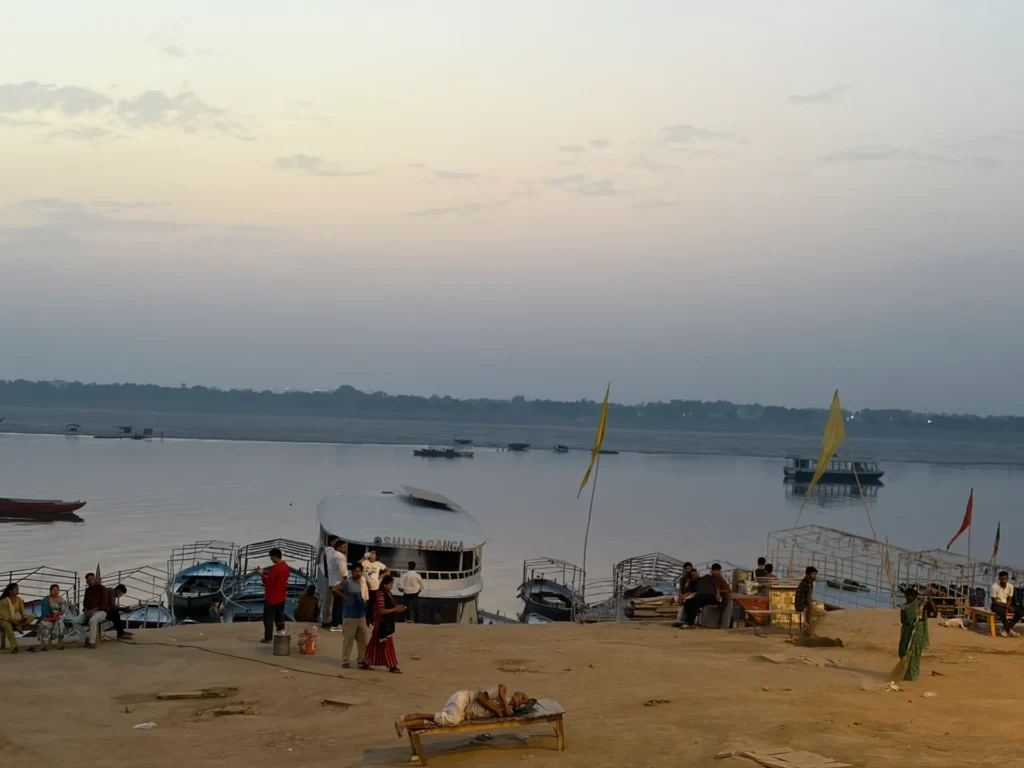
The early morning hours are the best time to begin your visual documentation process. Booking a private wooden rowboat at 5:15 am is the best way to do this. You can position your boat just off the shore from either Dashashwamedh Ghat or Charni Ghat. When the sun rises above the level of the flat, sandy east bank, it will send a warm, diffused golden light onto the western bank’s towering stone structures. A versatile medium zoom lens, such as a 24-70mm, will allow you to take both wide-angle and close-up candid shots of pilgrims performing morning rituals on the riverfront.
The Ghats at Golden Hour
Photographing at sunrise can be magical, but the lighting conditions between 04:30 PM and 05:30 PM are very different from that of sunset; early evenings provide very different textures to photograph than do mornings. One way to experience these different textures and types of subjects is by walking from Kedar Ghat to Harishchandra Ghat just before and during the sunset. The sun creates very long dramatic shadows against the striped red and white of the steps at the ghats when it is low on the horizon, making it an excellent opportunity to take photographs of the streets, the buildings, and the textures in the city (for example, hundreds of years of footprints on smooth stone, brightly colored saris draped on the steps of the ghats, children flying kites).
Rooftop Cafes: The Bird’s-Eye Perspective
To get an idea of the vastness of the crescent-shaped riverfront area, go up to an elevated terrace or rooftop of a building in the city. Many of the restaurants located on rooftops (for example, Dolphin Restaurant at Man Mandir Ghat and Alka Hotel) provide beautiful panoramic views of the river, temples, and ghats. Setting up a tripod during dusk allows you to take slow-moving shots of boats, illuminated oil lamps floating on the surface of the river, and the color of the sky as the sun goes down (the deep blue of the sky will contrast with the amber glow produced by the temples and the ghats). If you are able to visit Varanasi at this time of the year, you will have the opportunity to experience a unique view of the city and its surroundings.
Important Tips for Traveling
If you are going to visit this very old city, it can change how you manage your daily life too. To be able to keep your mind together and to ensure that you don’t have anything to remember from this trip that you don’t want to, you must know what is acceptable in both the local culture and in terms of every day’s basic practicalities.
Cultural etiquette and sacred space
If you are going to visit a temple or the banks of the river, you will need to dress very conservatively, that is, wear clothing that covers your shoulders and your knees for both men and women. If you are not wearing this type of clothing to the temple you can carry a light-weight linen scarf or Dupatta that you can quickly drape over your body upon entering the temple or other areas of traditional importance. Footwear etiquette is sacred as well because you will be required to remove your shoes outside of each temple and also at some of the riverside shops. Purchase some inexpensive and easy to take off sandals to wear daily and pack some wet wipes to clean off your feet after daily walks.
Managing Cash and Climate
While modern India has quickly embraced the use of digital payments, cash continues to be an absolute, unquestionable king – when it comes to the winding streets of our citzt. Whether it’s a tiny, street-side food stall; a bicycle rickshaw driver; or a vendor selling marigold flowers, there is no option to pay with a card or mobile app. Be sure to carry clean and small bills of ₹20, ₹50 and ₹100; doing so will reduce the awkwardness of trying to pay with larger bills, only to find that the vendor cannot provide change.
If you are traveling to India during the extreme heat of the summer, aggressive hydration is a must for your overall well-being. The combination of dry, dusty heat results in a relative rapid loss of energy, so you should continually consume bottled mineral water, fresh coconut water or a local favorite drink which is filled with electrolytes – Nimbu Pani (salt and lemon mixed with water). Generally speaking, Nimbu Pani costs a small amount of ₹20 each.
Identifying Scams and Liars
A lot of tourist traps have been created over the years due to tourists visiting an area for the first time. If you walk near the burning ghats, someone trying to be friendly will probably approach you as “volunteers” from hospice/wood cooperatives. They will tell you about families in need of help getting funeral logs and will aggressively ask you to give them donations; this is not true. Politely ignore them and walk away.
Also when dealing with boatmen at the plazas, do not accept the first price you are given. A lot of unofficial guides will try to charge you ₹2,000 for a boat ride that should cost around ₹400. Make sure you always agree upon the final price of the boat ride, how long it will take to get to your hoist (the wood) and where you want to be dropped off (ghats) before stepping onto the boat.
Beware of kind strangers who lure you into wholesale warehouses or gem export companies, as these types of scams are set up to sell you low-quality synthetic fabric and fake gems for that will cost you more to purchase.
The best way to see Banaras in the limited time you have is to plan out each half of the day in accordance with the City’s many historical and cultural sites.
Sample 2-Day Itinerary
This sample itinerary provides a quick overview. For more detailed day-by-day plans with restaurant recommendation and transportation tips, checkout Varanasi 2 day Itinerary or Varanasi 3 day itinerary.
On your first day in Banaras, you should plan on getting in tune with the rhythm of life at the main ghats.
5:15 AM – 7:30 AM: Head to Dashashwamedh Ghat just as night turns into a deep indigo, and hire a private, hand-rowed wooden boat for around ₹400. Enjoy the boat ride as you glide (like a lotus) through the rising morning mist to watch the pilgrims on the banks of the river greet the sun with Vedic prayers.
8:00 AM – 9:30 AM: Start your day at Ram Bhandar eating deep-fried Kachori Sabzi and syrupy jalebis after walking through Thatheri Bazaar’s alleyways and waiting in line.
10:00 AM – 1:00 PM: Store your electronics and leather goods in a secure locker outside Kashi Vishwanath Corridor and visit the temple of golden Shiva.
3:30 PM. – 5:00 PM: Experience the old city while stopping off for some amazing saffron yogurt, by going for a slow stroll on the old city streets, to the well-known Blue Lassi Shop, off the Meer Ghat, and enjoy creamy saffron yogurt (Lassi).
5:45 PM – 7:15 PM: Arrive at Dashashwamedh Ghat riverfront steps early to secure your place for viewing an enchanting evening Ganga Aarti fire ceremony.
Cultural Dawns and Ancient Ruins.
On the second day of Varanasi , you will travel south to find art in the neighborhoods, as well as find history around the city.
5:00 AM – 7:30 AM – Go to Assi Ghat for “Subah-e-Banaras,” listen to young scholars chanting verses in Sanskrit, watch a morning Raga performance of classical music, and be part of a large open-air yoga class on the stone platforms.
8:00 AM – 9:30 AM – Begin your day with an optional Breakfast at Pizzeria Vaatika Cafe located on the Ghat. You can enjoy either freshly made apple pie or a traditional wood fire Pancake while enjoying views of the River.
10:30 AM – 2:30 PM – Take a comfortable Auto Rickshaw for a 10 kilometer trip to Sarnath where Gautama Buddha delivered his first sermon for many years and months until he passed away. The Dhamek Stupa is the most impressive of the monuments located here. You can also visit the Sarnath Museum and see many exciting artifacts.
3:30 PM – 5:30 PM – Finally, you can make your way to the busy commercial area of Godowlia Bazaar where you can shop for authentic silk sarees and beautiful brass souvenirs.
6:00 PM – Conclude your day at the Namo Ghat by sitting on one of the many lonely stone steps with a hot Chai Tea in a clay cup while watching the lighted oil boats float down the dark waters of the River.
Nearby Places Worth Visiting
While the riverfront ghats are amazing, there are many historical forts, sacred towns, and ancient ruins nearby that you can explore as well! By broadening your travel plans to include these sites, you can really add a lot of richness and depth to your itinerary.
Sarnath (15 km): A serene, well-maintained archaeological park where Gautama Buddha gave his first sermon to his disciples after attaining enlightenment. get detailed visiting information in our Sarnath Travel guide.
Ramnagar Fort (14 km): A crumbling and beautiful 18th-century sandstone fort, which has historically been the residence of the Maharajah of Kashi; currently a quirky museum of old weapons.
Chunar Fort (40 km): A large, ancient fortress that sits at an impressive bend in the Ganges River, imbued with the histories of mediaeval kings and Mughal warriors.
Vindhyachal (65 km): A vibrant and highly revered pilgrimage town that sits on the banks of the river, known throughout the world as the home of the powerful shrine to Goddess Vindhyavasini.
Prayagraj (120 km): Formerly known as Allahabad, this grand city has the beautiful Triveni Sangam, the sacred point at which the Ganges, Yamuna, and mythical Saraswati Rivers converge.
Ayodhya (200 km): The legendary birth city of Lord Rama, featuring the new Ram Mandir (Hindu temple complex) and spectacular steps down to the river (ghats).
There are a lot of practical questions to answer when trying to figure out how to navigate such an intense destination as Varanasi. To help provide you with peace of mind before you embark on your trip to Varanasi, here are some straightforward and honest answers to some of the most common questions that travelers ask about Varanasi:
Is Varanasi a safe place for tourists?
Yes, in general, Varanasi is considered very safe, even for women traveling alone. The culture of Varanasi places a very high value on spiritual hospitality. However, because the narrow streets of Varanasi are extremely crowded, you should exercise common sense and consider some basic rules of street-smarts. For example, watch your personal belongings, be aware of traffic while walking and respectfully but firmly refuse the overly persistent sales pitches from street vendors right off the riverfront.
Q: Do I need to purchase any entry tickets or passes to walk along the Grand Road during the chariot festival?
You do not have to buy any entry tickets or passes to walk along the Grand Road and see the festival from street level; everything is free to the public. You only have to purchase tickets or make reservations if you wish to reserve a seat in one of the private rooftop viewing galleries or in one of the government-sponsored seating terraces.
Is Two Days Enough for Varanasi?
Yes! You can see all of the great sites of Varanasi—sunrise on the Ganga, evening Ganga Aarti, all of the major temples and a quick visit to Sarnath—in two days. However, with a two-day itinerary, you may feel like you are rushing through an extremely overstimulating, sensory-rich atmosphere. If you can extend your time in Varanasi to three or four days, you will have ample opportunity to slow down, relax at the riverside cafés, and appreciate the ancient rhythms of Varanasi.
What is the best time to go to Varanasi?
The best time frame to travel to this ancient city is during the cool winter months of October to March. The weather during this season is enjoyable for strolling along the banks of Varanasi’s glorious River Ganges, waking up to mystical fog hovering over the river at dawn and witnessing the many elaborate celebrations such as Dev Deepawali that take place at the ghats during this time of year.
Is it dangerous to take a boat ride on the Ganges?
Boat rides on the Ganges can be safe if you follow some simple safety guidelines. Make sure to book with a registered operator, look for wooden boats that do not appear to be overloaded, and verify the boat has life jackets on board. Remember that from July to September there is a prohibition on all river travel as the government imposes strict bans on boating during this period as a result of high water levels and extremely fast-moving undercurrents associated with the monsoon season.
May I take photos within the temple grounds?
You may not bring any cameras, digital smartwatches, cell phones, or large backpacks into any of Varanasi’s functioning temples. At the Kashi Vishwanath Temple specifically, the temple has very strict security policies regarding photography and electronic devices so all electronic devices must be securely stored in the lockers near the entrance of the temple before entering the temple and waiting in line to enter.
What is the appropriate attire to wear in Varanasi?
Due to its wealthy cultural and social heritage, local traditional dress is conservative; therefore, to avoid being stared at and show respect when visiting sacred sites, wear lightweight, loose fitting/modest clothing that covers both your shoulder and knees completely. A light linen shawl or scarf to drape over your outfit on entry into local shrines can be helpful in your daypack.
How suitable is Varanasi for young families?
It can be a great learning opportunity for your child, but requires careful consideration of their pacing. Toddlers can be very tired because of the number of people as well as the noise of car horns blowing; along with the steep stone steps along the riverfront, it may also tire them out even faster. If you are traveling with young children you should consider staying in an air-conditioned “oasis” (quiet and modern resort) in the Cantonment area where your family can retreat to when the energy is too much to handle.


