- Jharsuguda
Best Time to visit Varanasi: Month wise guide
As you relax on the steps of the Ganges, the pleasing combinations of ginger chai boiling, woodsmoke, and wet river rocks float through the air before dawn at Varanasi. The calendar doesn’t exist in Varanasi. The passing of time is measured by the constant changes in the color of the river, the loudness of the bell’s tones from the temple, and the level of humidity in the air. Picking the best time to come to Varanasi is not solely a function of checking a weather application — it is selecting a version of the ancient soul of Varanasi.
In addition to wandering through humid alleys, timing your visit will also give you different experiences, such as watching the riverfront temples get flooded by a swollen river during a monsoon season. This month-by-month guide to the seasons outlines your options to find the perfect time to make your pilgrimage.
The Winter Cradle: October to February
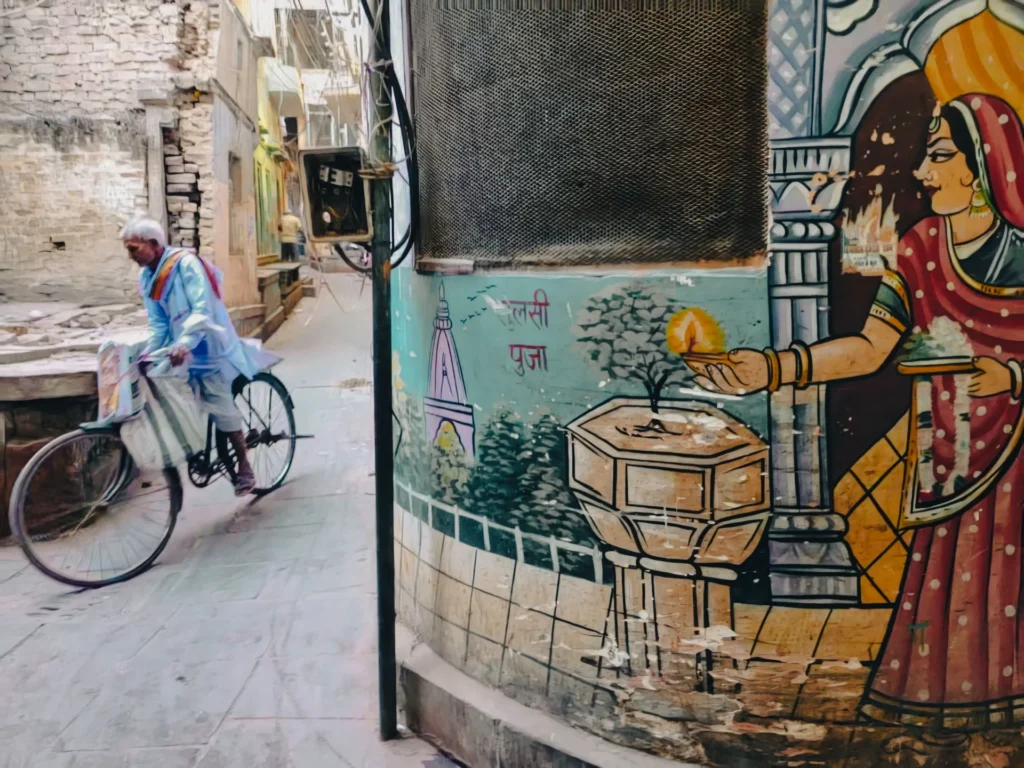
The winter months from October until February are arguably the best time to visit Varanasi for most visitors. The unbearable heat of Northern India has passed, leaving behind crisp morning temperatures between 5°C to 15°C, and beautiful warm afternoon temperatures of around 22°C.
October & November: The Festival Awakening
October is when Varanasi begins its transition from the rainy season, with the air clearing, the river’s current settling down, and the city shaking off its summer asleep. In late November, you can experience the full swing of festivals in Varanasi. If you want to experience the best time to go to Varanasi for cultural immersion, I recommend visiting Varanasi around November 24, 2026, when Dev Deepawali occurs on the full moon night. This one night, all of the 84 ghats will be lit up by over one million diya (earthen lamps). They give the illusion of the stars having fallen out of the sky and landed on the edge of Varanasi’s riverbanks.
December & January: Mist and Magic
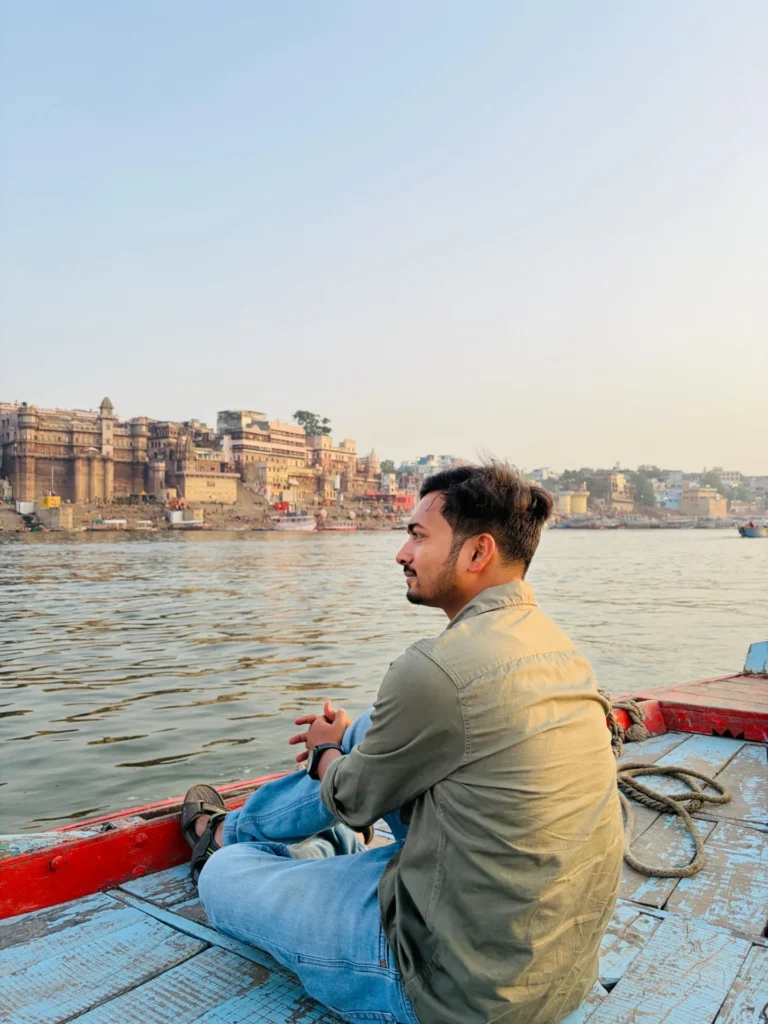
These two months are the coldest in the year. Thick ethereal fog will be hovering over the Ganges during the early morning hours creating an experience very similar to being on a boat ride during a sunrise in a dreamlike state in a white vacuum.
The alleyways that can be found behind Dashashwamedh Ghat are filled with people who line up along the street and wrap around the cauldron where they are waiting to receive their hot, delicious, and deep-fried Kachori Sabzi for breakfast. During this time of year is also the only time you will be able to enjoy Malaiyo, an exquisite dessert made from whipped milk that is infused with saffron and cardamom and left to rest on the rooftops overnight, in order to collect the dew of winter. The months of December/January are without a doubt the Varanasi best time to visit so make your reservations as far in advance as possible since the rates for premium rooms can increase to upwards of ₹8,000 per night.
February: The Threshold of spring
The thick fog gradually dissipates, and February finally brings weather that is ideal for walking around. The mornings are cool, and the afternoons are brightened by warm sunshine. Maha Shivratri (February 15, 2026) is celebrated throughout February in the city and is accompanied by a sense of euphoria as people celebrate Lord Shiva. Huge and colorful wedding parades welcome Lord Shiva to the city, and local shops serve Bhang Thandai (a cannabis drink) for around ₹100. It is Kashi best time to visit for those seeking a spiritual experience.
The Summer Crucible: March to June
While winter is a period of mild introduction, summer is a time of intense testing. As of April, the temperatures rapidly increase (with little to no spring left) as we transition into summer.
March & April: The Thermal Ascent
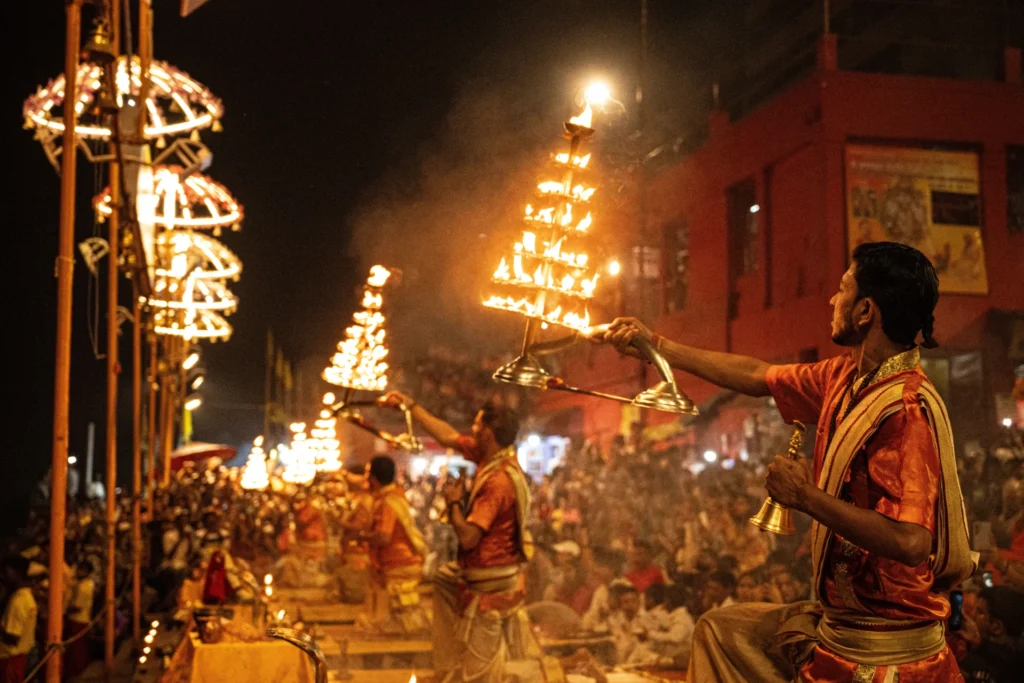
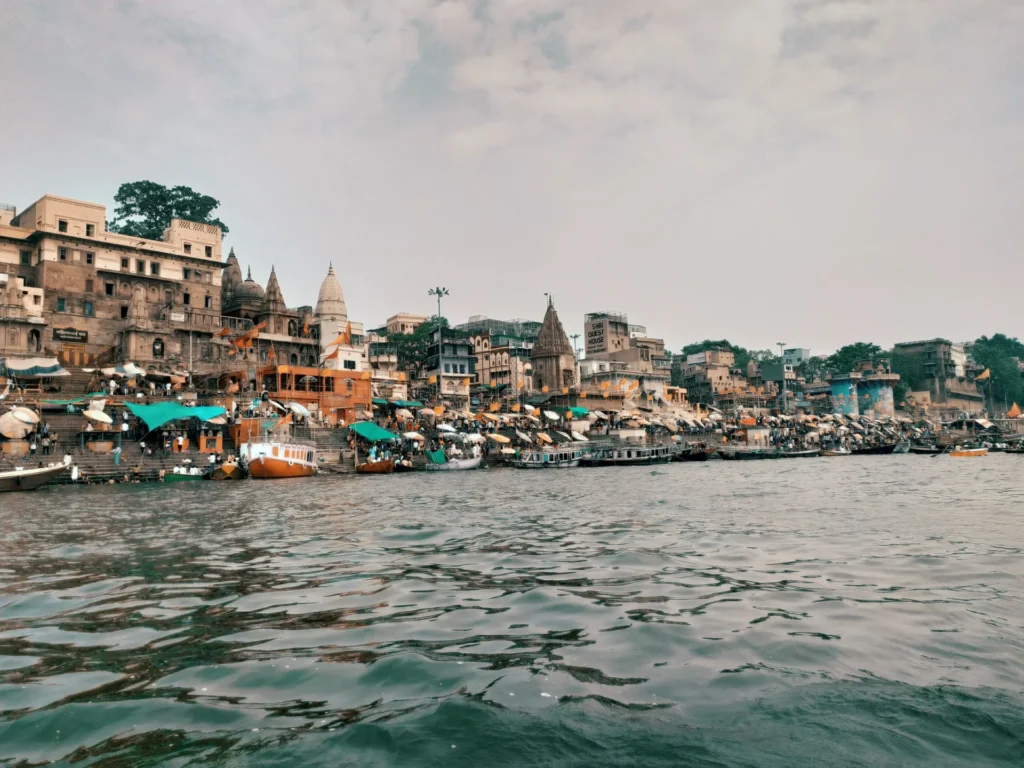
In March, the transition occurs. Beginning in March, people are still comfortable. However, when we reach April, the sandstone ghats will heat from the direct afternoon sun and be 38°C; street life will drop as locals do everything they can to avoid the heat by staying indoors. There are still beautiful and enjoyable boat rides at 5:30 am, and Ganga Aarti will still be taking place as usual.
May & June: The Relentless Heat
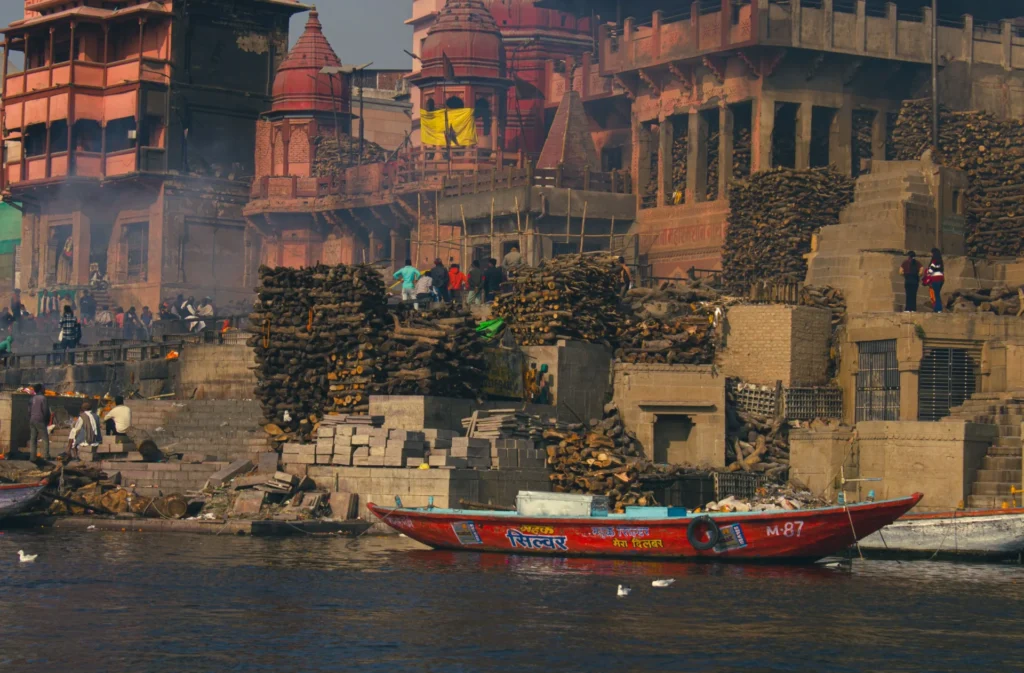
The months of May and June in Uttar Pradesh can be extremely hard to travel during, having the highest average temperatures. Daytime temperatures can often exceed 42° to 46°C on a daily basis, and the wind (known as loo) quickly blows through areas such as the large markets around Godowlia Crossing, making life even more uncomfortable.
Why try to visit Uttar Pradesh during this period? For budget travelers who are looking for cheap accommodation, this is a great time to visit because many heritage properties drop their prices by much as half, and boatmen are willing to bargain. Additionally, you will have the entire city to yourself due to the lack of tourist crowds. If you choose to travel during this period, when you are sightseeing you will want to do so during the early morning or late evening hours, carry a protective cotton scarf and drink lots of Nimbu Pani (lime water) that you can buy for about ₹20. This is probably the best time to visit Banaras and avoid crowds.
The Monsoon Deluge: July to September
When it rains in July, the transformation of the city becomes much more visceral as the Magnificence of the Holy River changes from a peaceful setting to an incredible force that demands respect from all who view her.
July & August: The River Rises
The rainy season in Varanasi alters the physical geography of the historical city. The water from the monsoon rains falling down from the Himalaya range into the Ganges grows much larger due to a tremendous amount of water rushing down the mountain. With the water level rising, the lower stone steps of the ghats become “swallowed” by the river, and the continuous walking path along the banks of the river becomes non-existent.
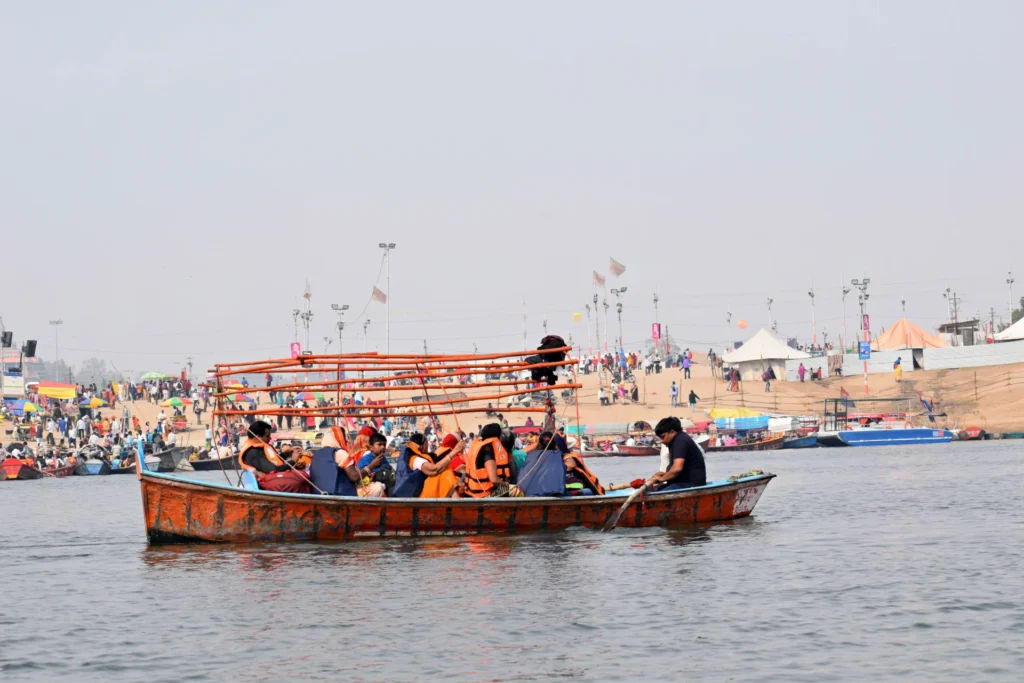
During high-water levels, authorities ban wooden boat rides and restrict the rituals of Aarti on the edge of the river, with Aarti being moved to higher terraces or rooftops of the temples. The atmosphere during this season is dark, humid, and totally atmospheric, but it is not ideal for the typical pace of sightseeing.
September: The Receding Waters
By mid-September, heavy monsoons have come to an end and as such the streets are much cleaner, and there is a nice breeze. The Ganges will slowly recede and leave multiple layers of silt on the ghats, with families acting quickly to get the silt removed to prepare for their upcoming fall festivals. For budget-conscious travelers, the end or summer will allow travelers to get discounted rates, while still being warm enough to sightsee comfortably.
Choosing Your Perfect Window
| Travel Style | Ideal Months | What You Will Experience |
| Spiritual & Festive | October & November | Dev Diwali celebrations with clear skies & lively night-stalls. |
| Comfort & Photography | December to February | Morning fog over the river, cool to walk around and seasonal food. |
| Budget & Solitude | April to June | Lower hotel rates, empty ghat steps & extreme heat in mid-day. |
| Moody & Architectural | September | High river levels, dramatic cloudy skylines, and lower tourist footprints. |
Regardless of the time of year in which you begin the journey to Kashi (Varanasi), you can expect to be met with open arms and given a wonderful welcome. Bring along clothing suitable for the season, prepare for a feast of your senses by packing gifts of memory, and get ready for an eternal city that is waiting to greet you.


Which month would you consider to be the best month on Earth for festivals in Varanasi?
Without a doubt, November is the king of months on the festival calendar. The Dev Deepawali Festival occurs during this month, turning the entire riverfront into one amazing sea of lights. If your goal is to witness this spiritual phenomenon, you should know that it is also considered to be the best season to travel to Varanasi, and therefore, if you’re planning on coming you will have to reserve your accommodations months ahead of time.
Is it impossible to travel to Varanasi during the rainy season?
Not necessarily, however, your transportation options on the rivers does change significantly. Although the rainy season in Varanasi generally takes place from July through September and provides an interestingly unique and moody view of the older buildings; due to the rising levels of the river most forms of traditional boat transportation are typically prohibited for safety reasons. If you prefer to see the interior shrines and the historically rich areas of the music community to avoid the crowds visiting around the holidays, then you can consider it an excellent time to visit.
How does high summertime heat affect a classic trip to Banaras?
In May and June, temperatures routinely exceed 45°C making the experience of exploring the open stone steps in the afternoon extremely physically challenging. However, if you want to go at a low cost this is a true unconventional best time to visit Banaras’ high-end heritage hotels as they considerably reduce their room rates and the main alleys are completely devoid of large tourist crowds at the busy hours.

Sankat Mochan Temple Guide : History and Visiting guide

Kal Bhairav temple: Varanasi’s guardian deity
Tulsi ghat guide – Home of Ramcharitmanas

Best Ghat for Sunrise in Varanasi
Hidden ghats of Varanasi – Beyond tourist trails
Harishchandra Ghat Guide: History and its Culture
Panchaganga ghat guide: where five rivers meet

Nandighosa, Taladhwaja & Devadalana – The Three Sacred Chariots of Rath Yatra
How to reach Konark sun temple: Travel Routes, Tips and Best times to visit

Best Time to Visit Jagannath Temple: Seasonal Guide for Tourists
10 Best places to visit in Keonjhar

The mythological and spiritual significance of maa Mangala temple
North vs. South Indian Temples: Architectural Differences and Importa