The Ancient Riverfront Theater: A Compassionate Guide to the Most Iconic Varanasi Ghats
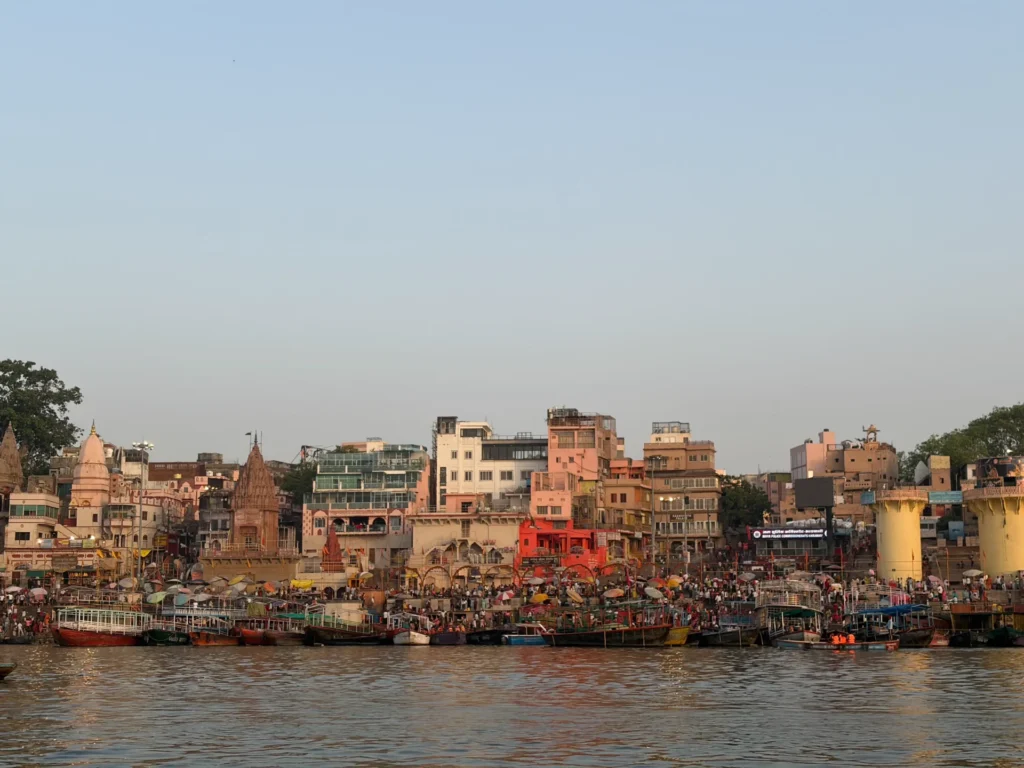
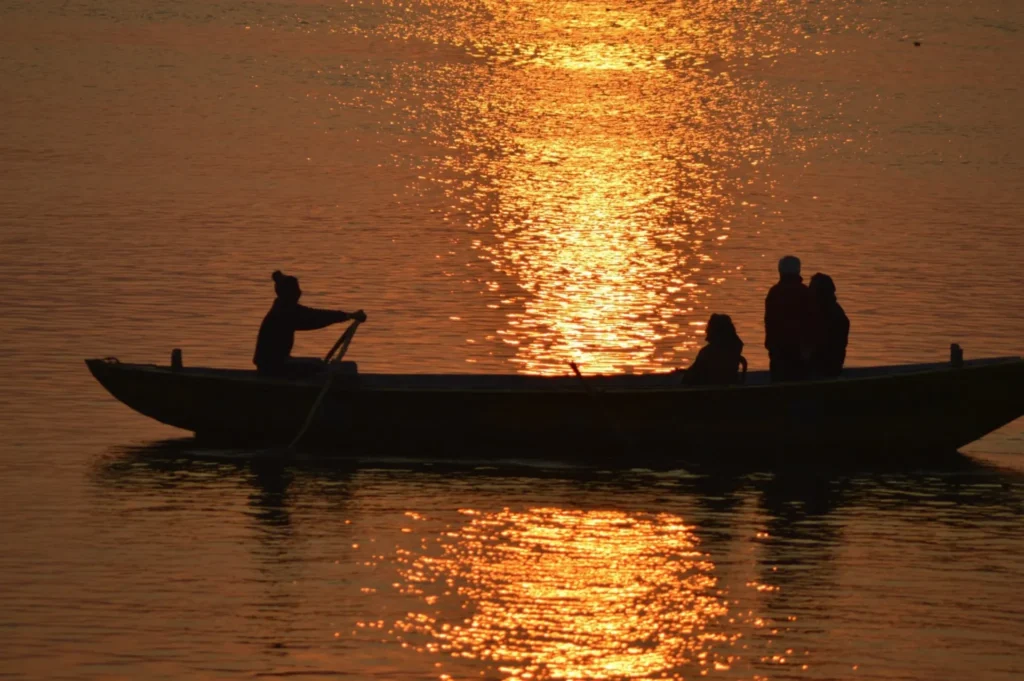
It’s 5:00 am, and the air feels cool and soft like liquid velvet. As you emerge from the narrow, dark streets of the ancient city into the vastness of the riverfront—the view appears as if it is part of an amphitheater—the hues of soft lavender mist enshroud the Ganges creating an ethereal haze that coats the horizon where the river meets the sky. Then, as if igniting slowly from within, the first ray of the sun shines down transmitting golden light through the cracks in the aged stone building façades of the century-old palaces, showcasing the entire riverfront as a living canvas.
To walk the Varanasi ghats is not just to watch; it’s to experience the unabashedly human theatre of life and death, joy and grief, stillness and disarray, collectively occurring in one unbroken rhythm across this blessed crescent; therefore, this guide will assist you in exploring the unparalleled beauty of Kashi by uncovering the multiple layers through which these historic steps have been constructed.
Mapping the Great Riverfront Crescent: The Steps Leading to a Ghat in Varanasi
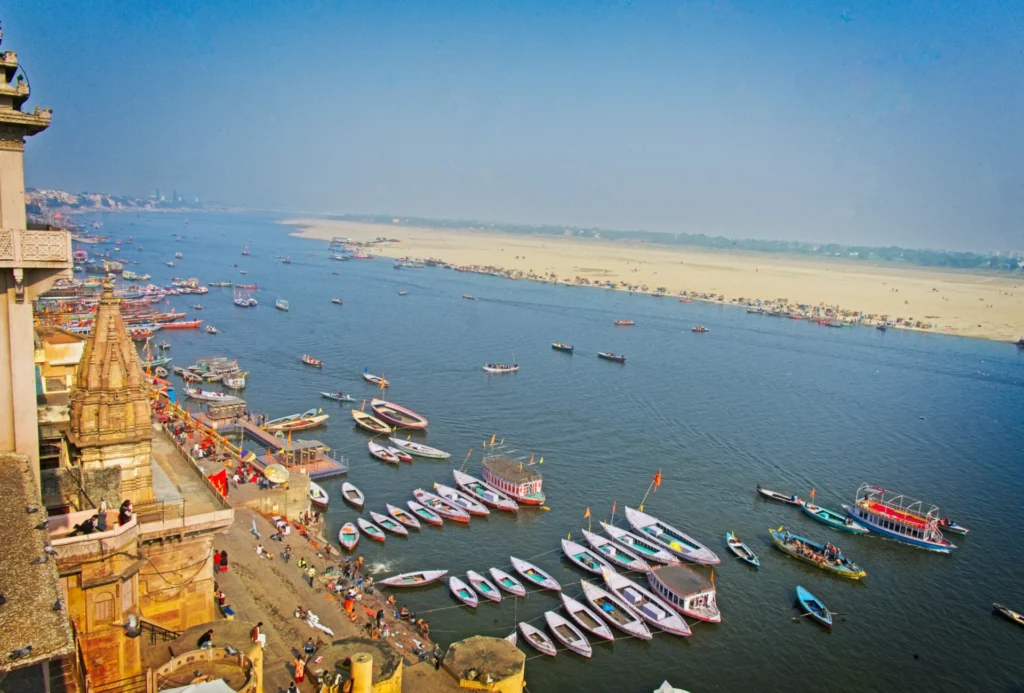
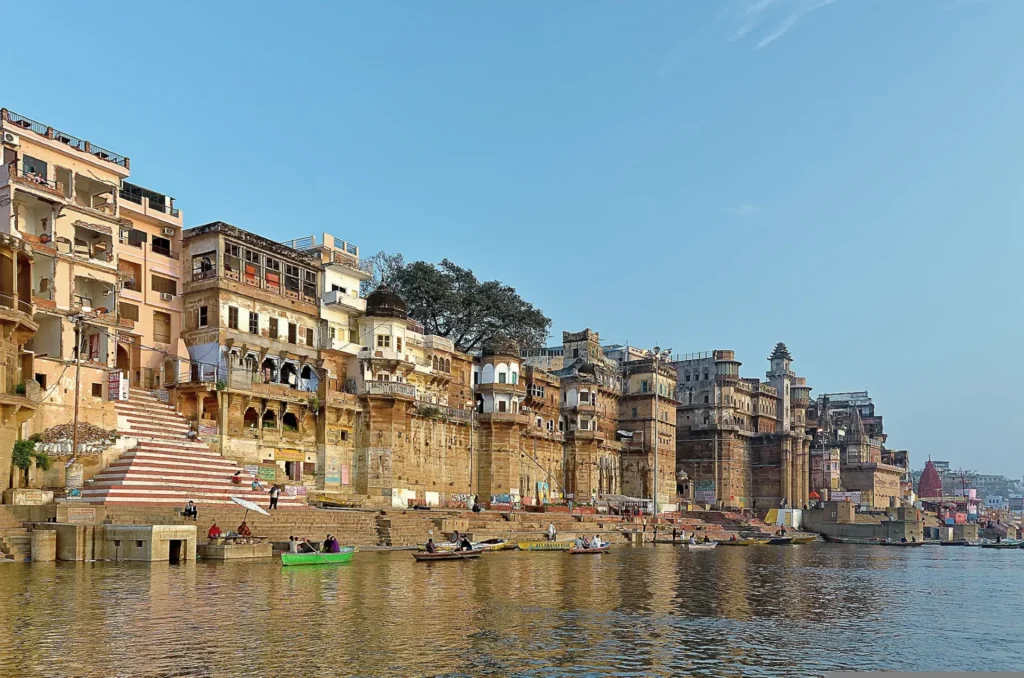
If you use a digital map to find a ghat near me where you are standing next to the river, the first thing you will see is a series of unfettered steps extending along the western side of the river.
How Many Ghats Exist in Varanasi?
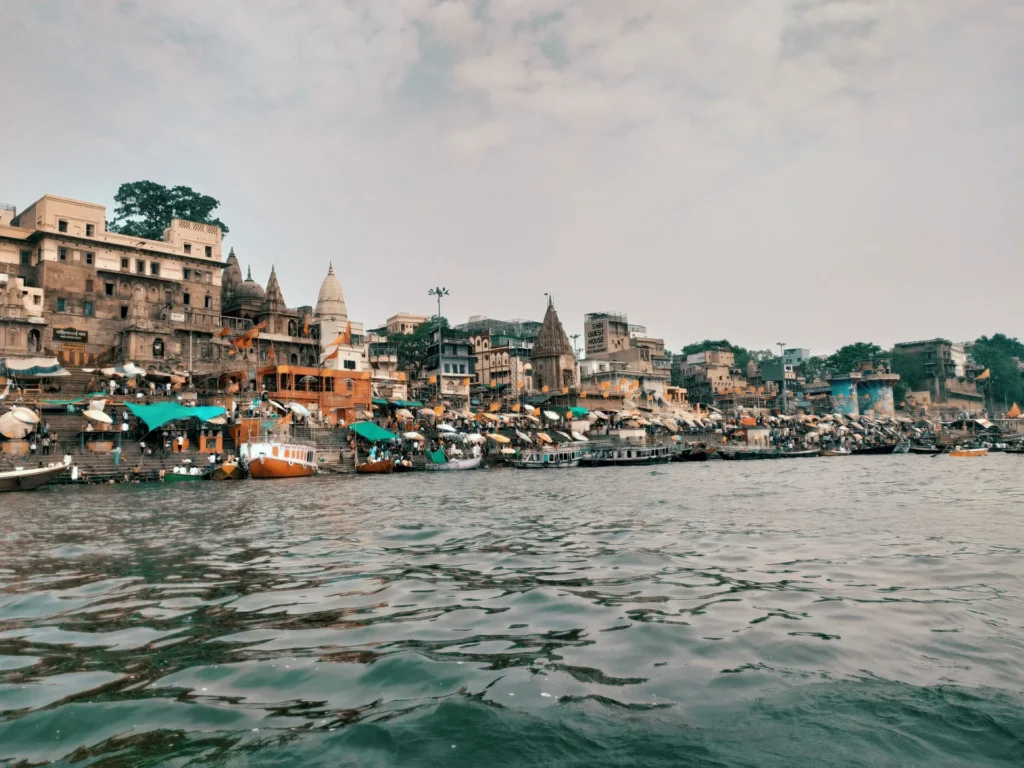
When travelers consider what route to take, one of the common questions they ask is: “How many ghats exist in Varanasi?” There are currently 84 distinct ghats in Varanasi, which line a stretch of the river approximately six kilometers long. Each staircase has been built with a unique lineage, hosting regular social communities, and has architecturally individual flavour. The entire riverfront crescent can be traversed in about 2 hours, from student bohemian hubs, through historical cremation pyres.
The Big Three: Essential Steps You Cannot Miss
Although every ghat at Kashi has a unique connection to the cosmos, three distinct riverfront spaces represent the foundation of both the spiritual lives of the city, and the city’s daily operations.
-
Dashashwamedh Ghat: The Vibrant Epicenter
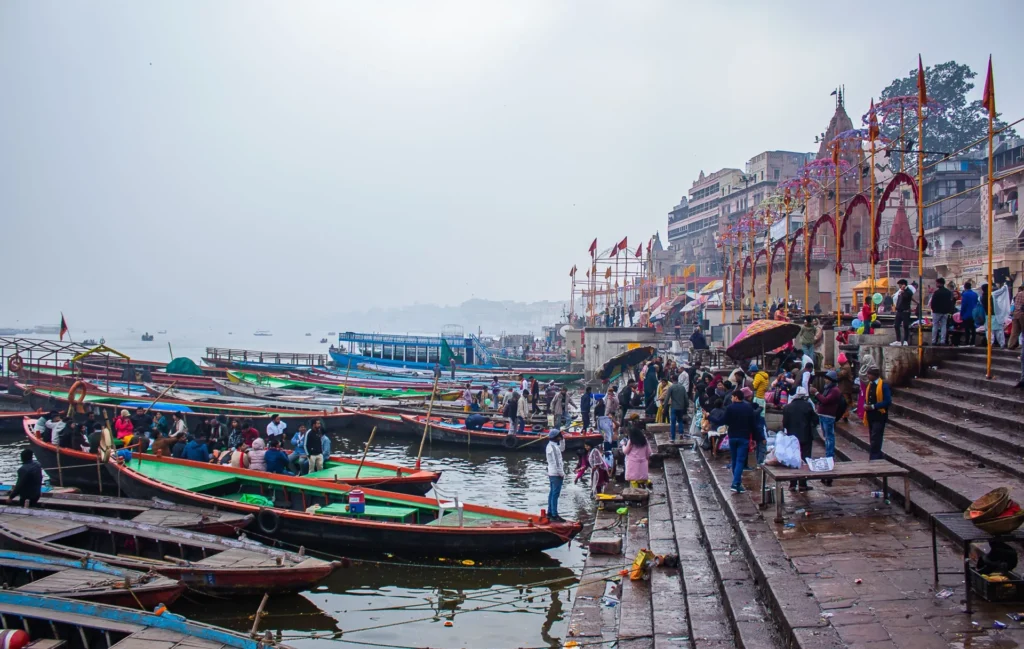
Recognised as the foremost emblematic riverbank site of activity in Varanasi and the most famous ghat in Varanasi. As per legend, here began a divine ritual of Lord Brahma where he sacrificed ten horses over 2000 years ago. During the afternoon it becomes a riotous marketplace with priests applying sandalwood paste on the foreheads of worshippers under large umbrella shelters made from bamboo while incessantly promoting their boating services.
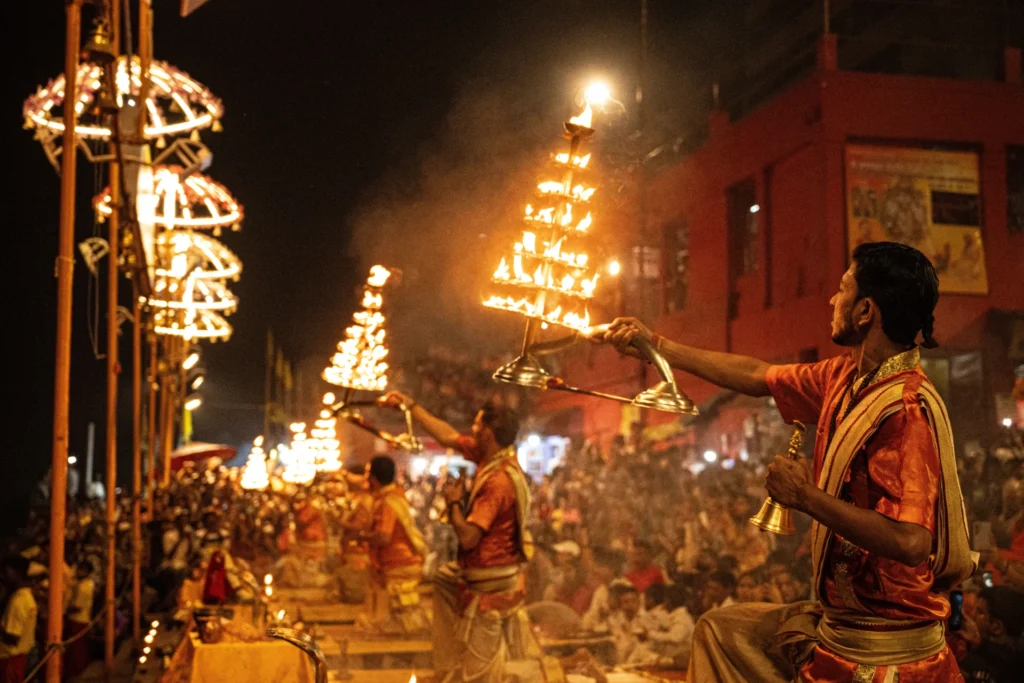
As evening approaches, this site morphs from a busy bazaar into an electric temple where thousands of people (including native Indian residents) congregate for the Ganga Aarti ceremony. One of the most awe inspiring and memorable experiences that guests can have is to witness young priests use multi-branched brass lamps filled with burning camphor (the substance used for incense) during the Ganga Aarti ceremony from the safety of their own private wooden rowboat. Expect to pay approximately ₹400 per hour for this unique experience.
-
Manikarnika Ghat – Gateway to Moksha
When you travel to this specific banaras ghat name, it is best to leave your camera behind, quiet your mind and begin to prepare to receive this precious gift from Hinduism. Manikarnika ghat is Kashi’s main cremation ghat, burning continuously day and night for several thousand years.
At this ghat, it is believed that if a person dies there or if one’s ashes are scattered into the Ganges River, they will achieve Moksha (the liberation of the soul from the eternal cycle of birth and death.) Watching, at a respectful distance, the orange flames and live embers of the pyres go up and flow into the blackness of night is one of the most humbling experiences one could ever have as a human being—raw, real & profoundly honest as a reminder of our own mortality.
Travelers should be aware that no photography is allowed of either the pyres or posters of grieving families who just lost a loved one. Disregard aggressive local men trying to sell you “cremation wood for poor families” – they are simply trying to deceive you.
-
Assi Ghat: The Bohemian Sanctuary
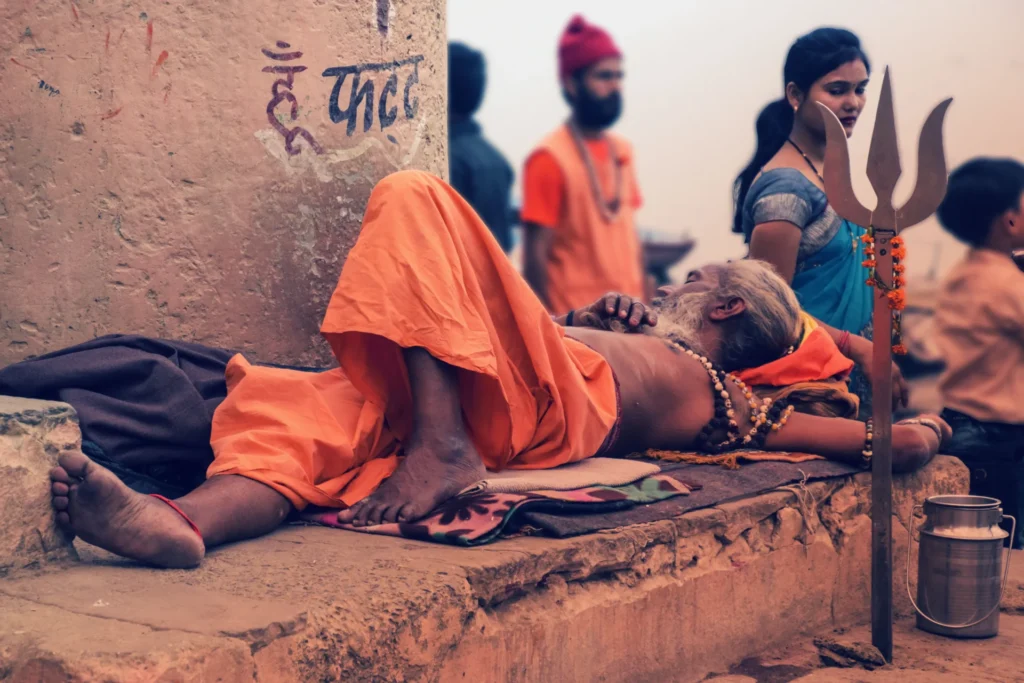
Assi Ghat is a Bohemian enclave that sits at the southernmost tip of the crescent and is popular among digital nomads, long-term travelers, and students attending the nearby university. The atmosphere is open, airy and creative. You can spend hours lounging on a stone ledger with your ₹20 clay cup of masala chai watching sadhus meditate and sharing stories with other travellers. Assi Ghat hosts Subah-e-Banaras, beautiful 5:00 am cultural entertainment in the form of Vedic chanting and morning classical music, followed by a wide-open-air yoga program as the sun also rises.
Secrets of the Ganges: Hidden Storytellers Sounds
In order to escape the throngs of people at the main, busy portions of Varanasi, you must seek out an obscure yet historically famous ghat in Varanasi to witness the city’s hidden magic.
- Scindia Ghat & the Leaning Temple
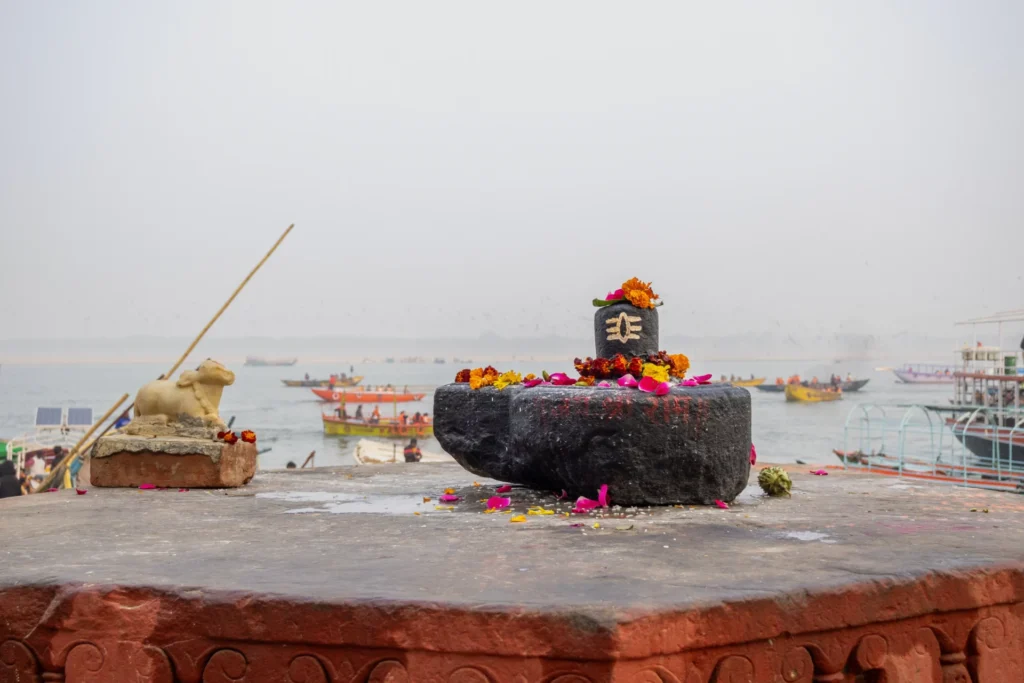
Scindia Ghat, located north of the place where the dead are cremated, is a lovely and tranquil location. What makes this site particularly stunning is that it contains a massive ancient Shiva temple that partially collapsed (due to the construction of the temple) and sank into the river below the ghat. The result is that the spires of the temple are twisted and submerged below the water, creating a surreal and poetic framing device for someone photographing the hidden geometry of the ghatss in Kashi.
- Panchganga Ghat: Mystic Crossroads
Further along the northern side of the riverfront, toward the more tranquil and secluded loop of the river, lies the Panchganga Ghat, which can be described as a portal to another time. The name comes from the belief that five holy rivers merge beneath the stone steps of the ghat, making it sacred ground. The iconic presence of the sandstone Alamgir Mosque, built by Emperor Aurangzeb, adds to the beauty of this place because of the striking contrast between the grand Mughal minarets and ancient Hindu bathing steps, creating one of the most culturally significant areas along the entire riverfront.


Is it safe to walk by the riverfront at night?
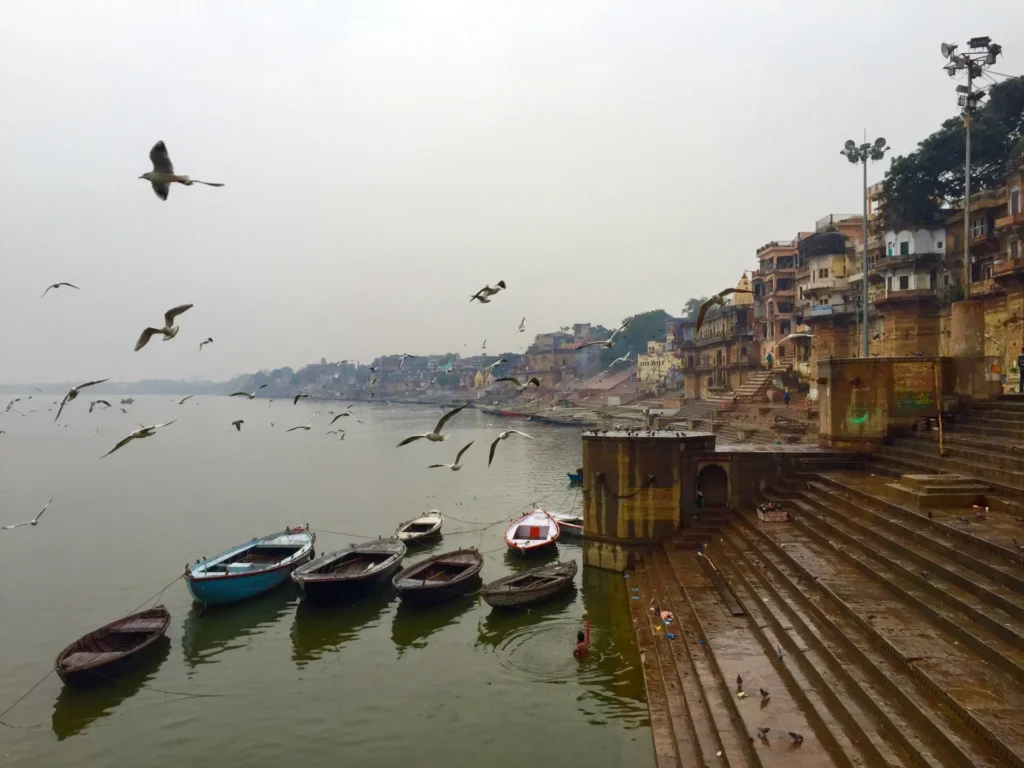
Yes, walking along the main stretch between the Assi Ghat and the Dashashwamedh Ghat is safe and well lit; so long as you are wearing footwear with a good grip because the smooth stones on the steps can be slippery from the river.
Does the weather affect the riverfront steps’ accessibility for walking?
Yes, the steps into the river become fully submerged during the wet monsoon season, which typically runs from July to the end of September. The Ganges river will swell into a massive tidal wave during this period creating a complete lack of steps for access, thus making it impossible to have a continuous walking path. Consequently, prayers and rituals that would typically take place in the evenings at the lower ghats are moved to higher rooftop locations, and all small boat rides are prohibited due to safety concerns.
How should I get from the train station to the main ghat area?
There is no easier way than to get into an e-rickshaw located immediately outside of the train station for a price of between ₹30-50, which will take you to Godowlia Crossing; after that, all motorised forms of transport are not allowed to enter the old city, so it is just a 10 minute walk to the main riverfront steps.

The Ancient Riverfront Theater: A Compassionate Guide to the Most Iconic Varanasi Ghats
The Golden Anchor of Kashi: The Ultimate Guide to the Kashi Vishwanath Temple

Varanasi 2 Days Itinerary

The Golden Hour on the Ganges: Morning Boat Ride Varanasi Guide
The Fire and the River: Guide to the Ganges Aarti of Varanasi
Best Time to visit Varanasi: Month wise guide

The Soul of India: The Ultimate Varanasi Travel Guide
10 Best places to visit in Keonjhar

Best Time to Visit Jagannath Temple: Seasonal Guide for Tourists

The mythological and spiritual significance of maa Mangala temple

10 best Places to Explore in Koraput
Chandrabhaga Beach Puri: A Comprehensive Travel Guide
North vs. South Indian Temples: Architectural Differences and Importance