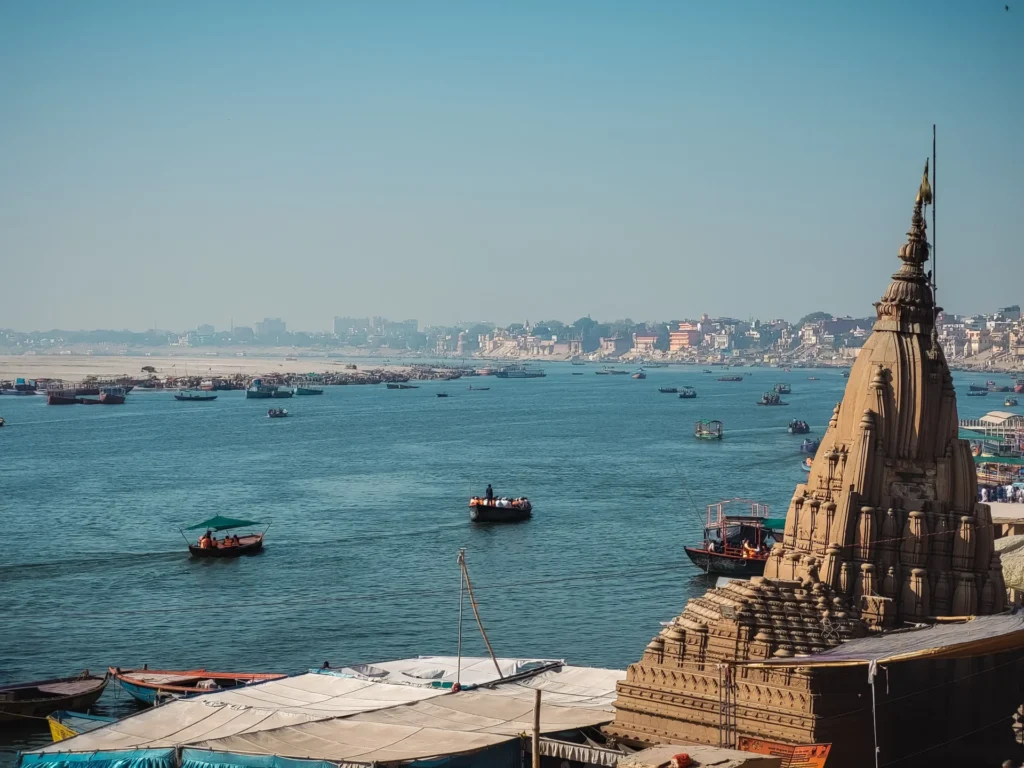
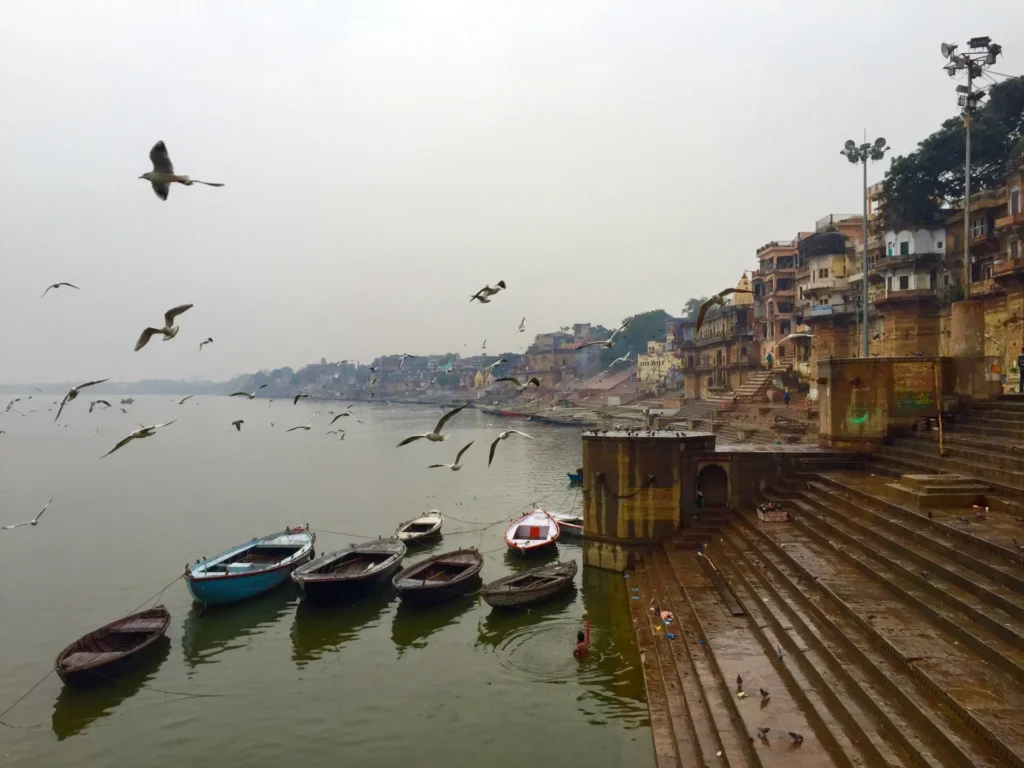
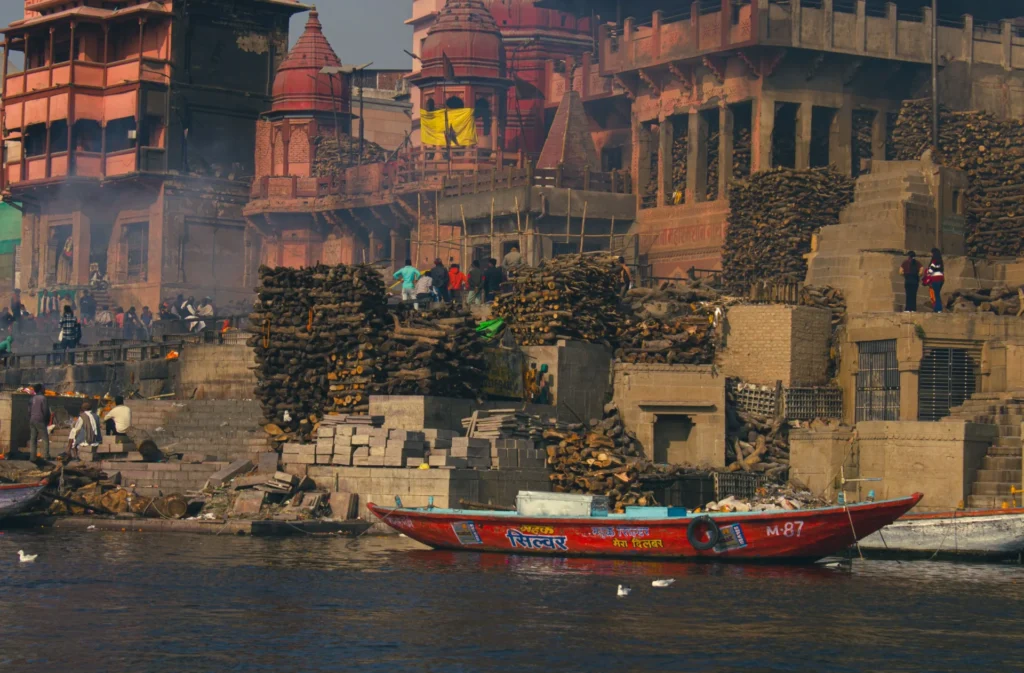
A heavy aura of perfume of sandalwood burning fills the air, along with the wet smell of river mud and of the smoke of burning wood. The closer you come with your wooden boat to the shore, parting the soft morning mist on the water, you will see the orange glow of several open fires against the background of black majestic stone palaces. The Manikarnika ghat is in front of you, which is the monumental ground where the smoke has been going on for thousands of years already.
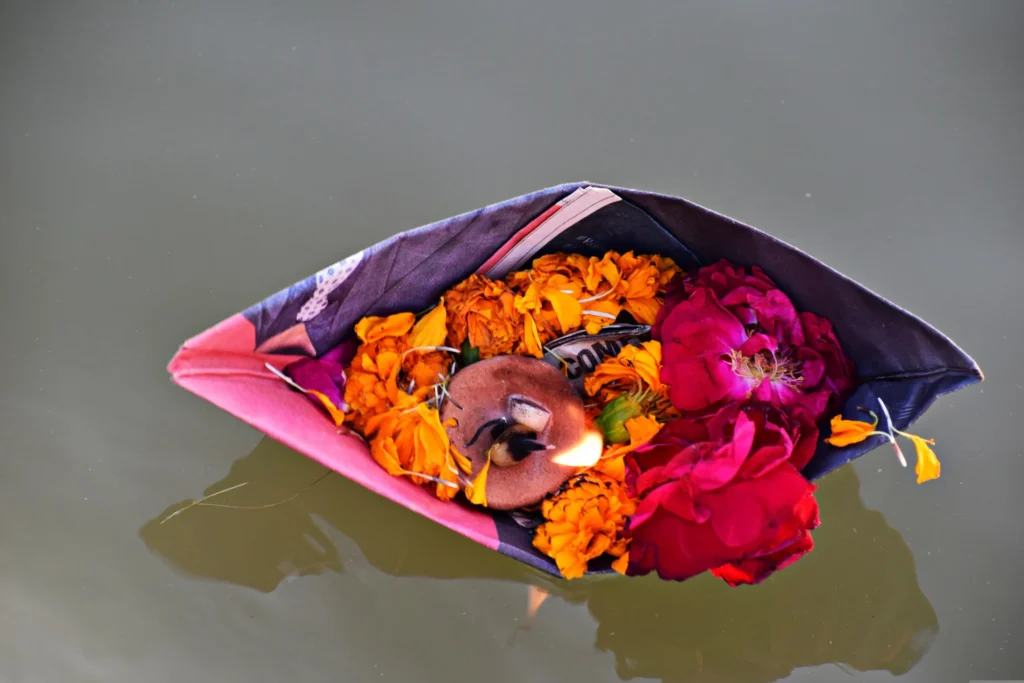
It is the moment that makes you speechless, no matter how talkative you would be being at the famous Manikarnika. There is nothing dark or sinister about; the Manikarnika ghat Varanasi gives you the feeling of the purest truth. Death in Varanasi is not hidden behind cold walls of hospitals or is buried somewhere under it, it takes place nearby, it goes hand in hand with the washing of clothes, playing children, and floating lamps.
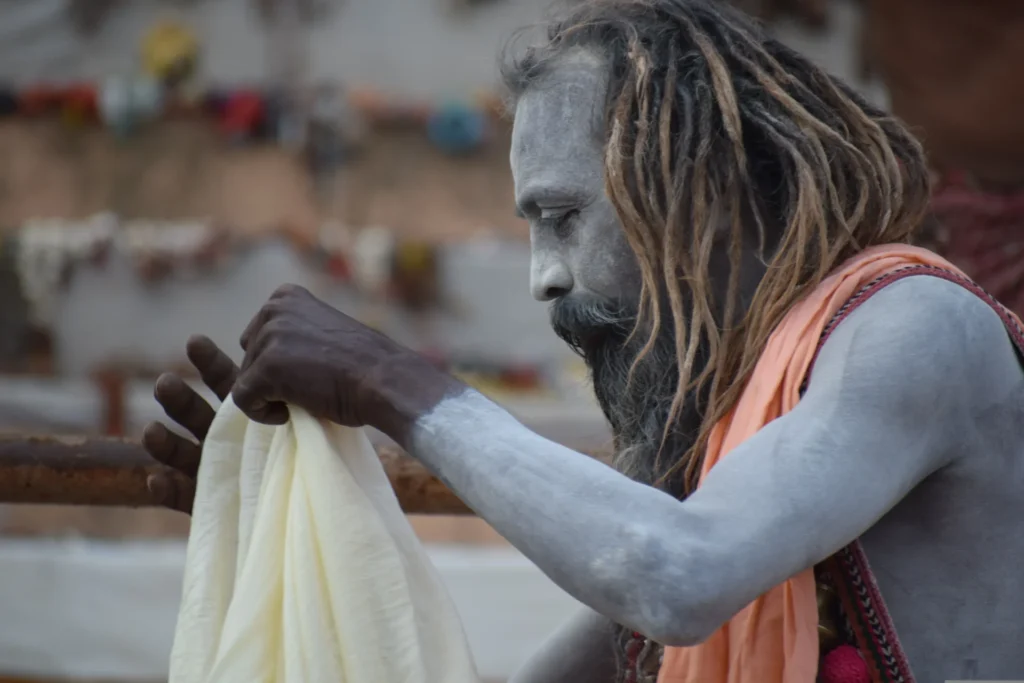
Cosmic Origins: The History Behind the Smoke
In order to understand the significance of these stone steps covered with ashes, it is important to look beyond the surface chaos and understand the basis of the legends that determine the essence of the place.
The History of Manikarnika Ghat
The Manikarnika Ghat legend goes back to the beginning of the universe. The ancient text Puranas states that Lord Vishnu spent many years digging a holy well here with his discus, worshiping Lord Shiva in the process. When Shiva arrived, he was impressed with the devotion of Vishnu and accidentally dropped his earring—Manikarnika—into the well. Thus, the whole place got the power and became a link between earth and ultimate liberation.
The Sacred Structures Located by the Riverside
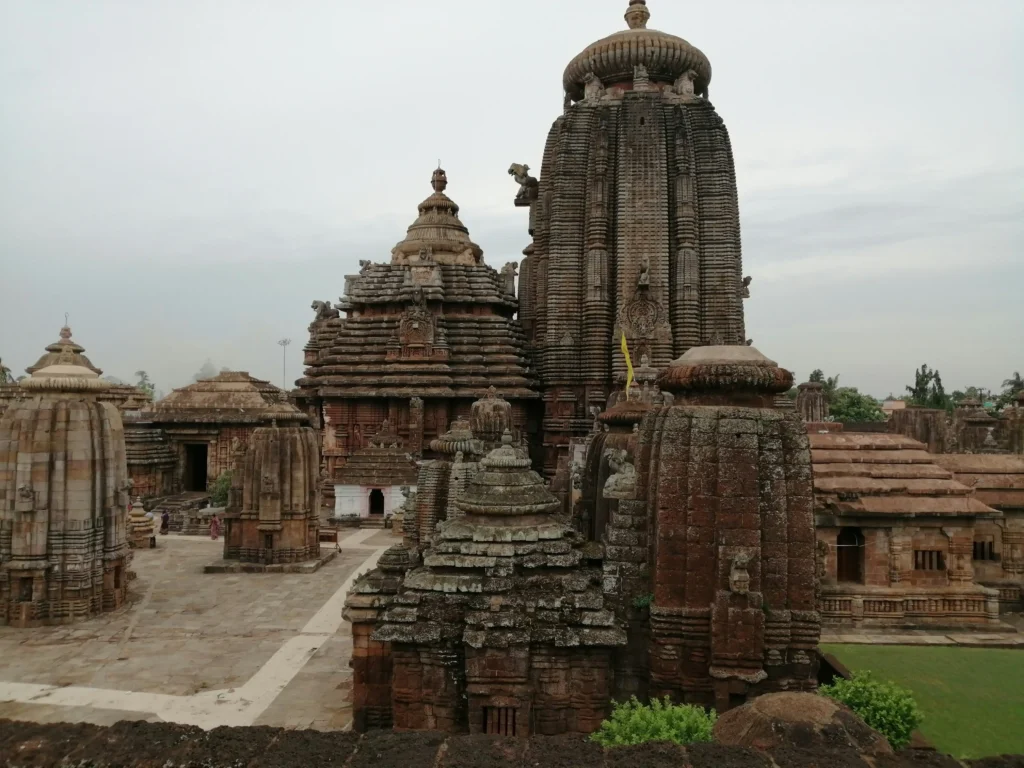
Walking along the fringe paths behind the burning stairs, one will cross paths with the famous Manikarnika mandir region. The area consists of multiple small temples, whose walls are stained blackened with ashes from the burning pyres. Next door, the magnificent Manikarnika ghat temple lies dedicated to the deity Shiva and Goddess Durga, while it has slantingly kept its olden stone spire, which was accidentally tilted due to land deformity in the 1800s. The slanting structure serves as an important proof and visual reference of the momentary state of living.
Experiencing Manikarnika with Ultimate Respect
To venture into this locality will require a shift in how you relate to your environment. This is a site of active cremation and one that deals with the living side of death.
The Eternal Flame
The local belief is that if one dies in Kashi or gets cremated at Manikarnika ghat, then one will achieve (Moksha) liberation from the cycle of rebirth (samsara). The fire burning on the wooden pyre is taken from an eternal flame that has been preserved in a fire source watched over by the Dom community (the traditional custodians of cremation rituals) for years. The cremation grounds burn day and night every day of the year and consume large quantities of wood.
The Golden Rule of Navigation
From my experience walking through these steps, the best piece of advice I can give you is to keep away from any kind of electronic devices, such as mobile phones, cameras, etc. Photography, no matter what type or purpose, is strictly prohibited on these grounds. It’s a huge invasion of local culture, privacy and traditions. In case you want to capture the buildings on the banks of the river, it’s allowed to do it only on a wooden boat anchored in the middle of the river where it would not be possible to distinguish particular people.
Practical Survival: Steer Clear of the Wood Scam
Since this world-famous ghat in Varanasi is visited by thousands of tourists every single day, a rather complicated and dangerous tourist scam has appeared in this region.
Cracking the Code
In the vicinity of the upper level stone terraces, you are bound to bump into smooth conmen pretending to be stakeholders for local hospice centers, homes for the elderly, or wood cooperatives, seeking to show you a “safe viewing platform,” and make a story about the impoverished families who are in need of money to purchase the very expensive funeral logs for their dead. They would go on to browbeat you into contributing money for the purchase of wood, suggesting amounts as high as ₹1,000.
How to Deal
This is a complete hoax and an age-old form of fraud that is widely known. Contrary to what these people would say, the government and trusts concerned with charities help poor families financially to purchase the materials needed during cremation ceremonies. Therefore, if one happens to approach you with this story, do not start an argument. Just put your hands behind you, shake your head politely, and continue moving on in the direction of the busy public streets.


Can everyone access the burning platforms?
Yes, the routes around the Manikarnika ghat varanasi are entirely accessible to everyone. However, you should keep to the higher concrete pathways and observe the happenings from the water. You should remain clear of the burning pyres and also prevent obstructing the way of the bearers carrying the corpses to the river.
What are the reasons for the absence of women during normal cremation ceremonies?
Traditionally, the cremation rituals in Hinduism are performed only by men. The practice of women’s participation was avoided since they tend to cry loudly during the ceremony and their tears might discourage the soul from leaving the comfort of the material world.
What is the most optimal approach to observe the ghat for the first time without any risks?
I strongly recommend hiring a private wooden boat to visit the Manikarnika ghat for the first time. The price for a wooden boat ranges around ₹400 per hour. Being on the lake in a wooden boat during the early morning hours helps you see all the activities at the ghat without being inaudible distance.
Manikarnika ghat guide: The eternal cremation ghat
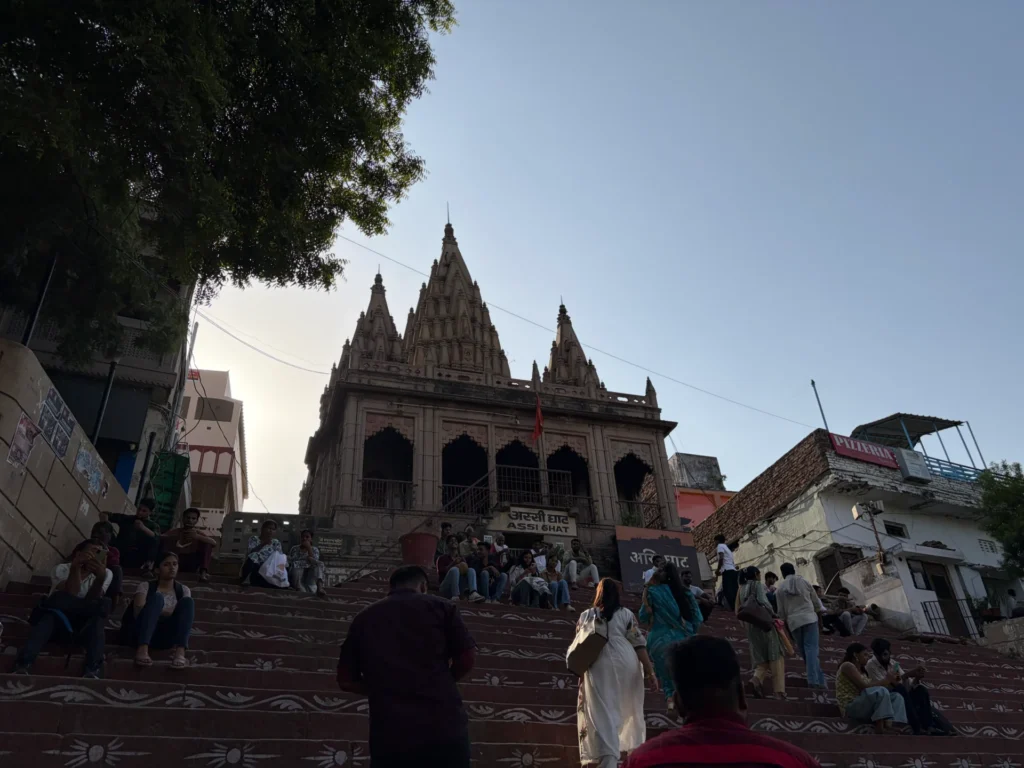
Assi Ghat Complete Guide- Varanasi’s most vibrant river front
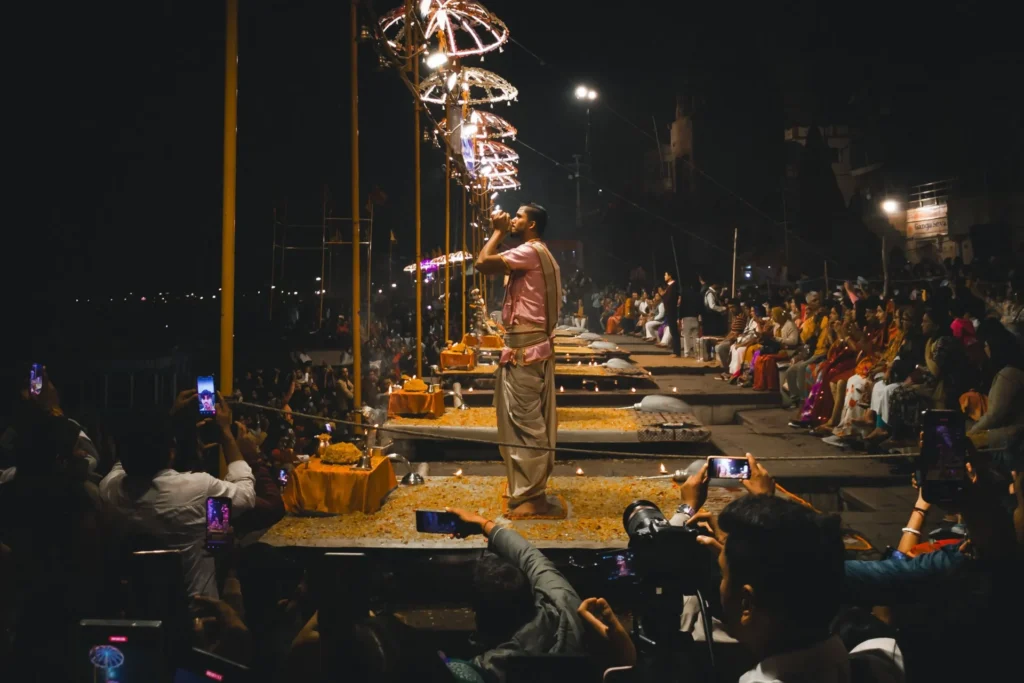
Dashashwamedh Ghat Complete Guide: Heart of the Ganga Aarti

Where to Stay in Varanasi – Hotels, Homestays, and rooms with a great view

Best things to do in Varanasi
Best Street Food in Varanasi – A Complete guide towards the best flavours
The Ancient Riverfront Theater: A Compassionate Guide to the Most Iconic Varanasi Ghats
10 Best places to visit in Keonjhar

Best Time to Visit Jagannath Temple: Seasonal Guide for Tourists

The mythological and spiritual significance of maa Mangala temple

10 best Places to Explore in Koraput
Chandrabhaga Beach Puri: A Comprehensive Travel Guide
North vs. South Indian Temples: Architectural Differences and Importance