
Nayagarh rests in central Odisha, roughly 90 kilometers from Bhubaneswar. Most guidebooks bypass it completely. That’s their misfortune. The Mahanadi River slices through the Satkosia Gorge here. A tiger sanctuary shields the woodlands and waterways. Centuries-old shrines pepper the towns and hamlets. The remnants of four erstwhile princely realms scatter across the terrain. If you crave Odisha minus the throngs, this is the place.
What is Nayagarh?
A district in central Odisha. Approximately 88 to 90 kilometers from Bhubaneswar. Renowned for temples, the Satkosia Tiger Reserve, four former princely states, and chhena poda — a baked cottage cheese confection that’s legendary in these parts.
Where precisely?
Central Odisha. Cuttack bounds the north. Khurda sits to the east. Ganjam lies south. Nayagarh town itself sits 88 to 90 kilometers from Bhubaneswar, perhaps 60 from Khurda. Those are the closest district neighbors on the Bhubaneswar flank.
Size and populace
The district spans 3,890 square kilometers. Population reached around 960,000 in the 2011 census. Likely higher now, but that’s the latest official tally.
When did it become a district?
1993. It separated from Puri district that year. Fairly recent as districts go.
—
Temples Worth Your Time
Eight temples anchor the spiritual circuit: Jagannath, Dakshina Kali, Raghunath Jew, Kantilo Nilamadhaba, Maa Vaishno Devi, Ladukeswar, Gokulananda, and Dutikeswar Mahadev.
Jagannath Temple, Nayagarh Town
Constructed between 1788 and 1808 in Kalinga architecture. The presiding deity is venerated as Dadhibamana. Town nestles between the Rukhi and Balaram hills — you’ll notice them instantly.
Dakshina Kali Temple, Nayagarh Town
Regarded as a living Shakti Peeth. A Gopinath temple stands at its entrance. An ancient matha adjoins the complex. The atmosphere here feels distinct. More ancient.
Raghunath Jew Temple, Odagaon
Roughly 26 kilometers from Nayagarh town. Enshrines Lord Raghunath with Sita and Lakshman. Wooden icons rest beneath a gold-plated kalash. Local lore says the 17th-century poet Upendra Bhanja composed Baidehisha Vilas here. Temple anchors Ramanavami festivities — attend then if you can manage crowds.

Kantilo Nilamadhaba Temple
Ancient Vaishnav shrine on the Mahanadi bank, flanked by twin hills. A spring wells up from beneath the presiding deity and flows ceaselessly. That part always arrests you — water simply materializing from under the idol, steady as breathing.
Maa Vaishno Devi Temple, Jamukana Hills
About 15 kilometers from Nayagarh town, 10 from Odagaon. Second Vaishno Devi temple in Odisha after Rourkela. Devotees worship the goddess inside a 180-foot subterranean cave, where an 18 kg idol mirrors the original Jammu shrine. The cave segment is intense — cramped, dark, humid. Not for all.
Ladukeswar Temple (Ladu Baba)
Shiva temple with a robust regional following extending well beyond Nayagarh district. Unadorned. Potent. Pilgrims arrive from everywhere.
Gokulananda Temple, Sidhamula, and Fategarh Ram Mandir
Gokulananda is a hilltop shrine on the Mahanadi bank, founded by Swami Ram Laxman Dash Maharaja. Forms the nucleus of the Gokulananda picnic and tourist locale. Fategarh Ram Mandir — dubbed the Mini Ayodhya of Odisha — slots naturally into the same circuit. Pleasant picnic vibe. Families everywhere on weekends.
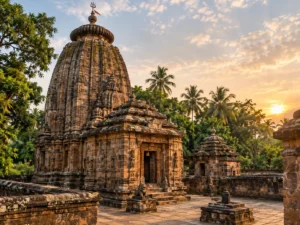
Dutikeswar Mahadev
At the base of the Sulia hills, roughly 32 kilometers from Nayagarh. Centers on an aged banyan tree. That tree has witnessed generations.
—
Wildlife and Nature Spots
Satkosia Gorge and Tiger Reserve, Baisipalli Wildlife Sanctuary, Kuanria Dam, Kuturi Deer Park and Elephant Rescue Centre, several waterfalls, and Sunamuhin Dam.
Satkosia Gorge and Tiger Reserve
Approximately 900 square kilometers. Merges the Satkosia Gorge Sanctuary (established 1976) with Baisipalli Wildlife Sanctuary. The Mahanadi carves a sheer-sided gorge through forested highlands. Reserve harbors tigers, elephants, crocodiles, and gharials. Badamul — about 90 kilometers from Bhubaneswar via Nayagarh town — serves as the primary gateway on the Nayagarh side. Tikarpada, at the reserve’s edge, has hosted a gharial conservation zone since 1975.
Baisipalli Wildlife Sanctuary
Lies wholly inside Nayagarh district. 168.35 square kilometers of dry Sal woodland. Largely encircled by the Satkosia reserve. Elephants, leopards, bears, sambar, spotted deer, king cobras, and pythons dwell here. It’s more tranquil than Satkosia. Less frequented.
Kuanria Dam
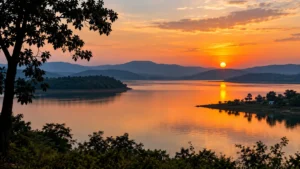
Reservoir on the Kuanria River, about 50 kilometers from Nayagarh town. Encircled by low blue hillocks — spectacular at dawn and dusk. Reservoir stretches about 1.5 kilometers long and 20 meters deep. A deer park and a forest rest house stand nearby. Use of the rest house demands advance notice to the DFO of the Mahanadi Wildlife Division. Don’t simply appear.
Kuturi Deer Park and Elephant Rescue Centre
Sits within Baisipalli Sanctuary. Established to rescue and rehabilitate abandoned and injured elephants. Draws wildlife aficionados. The elephants here have histories — some heartbreaking, some hopeful.
Waterfalls Around Nayagarh
Ganthi and Dhauli-Kani are the district’s best-known cascades, alongside smaller falls and streams like Ratnaganda, Rajgiri, Srabani, Godipalli, and Barakanya. Early post-monsoon season delivers the strongest flow while access remains manageable. Go too late and the trails turn treacherous.
Sunamuhin Dam and Park
Quiet lake-and-park compound. Suits a leisurely picnic after heavier sightseeing. Nothing elaborate. Just water and trees and serenity.
—
Heritage and Royal Sites
Five stops reflect Nayagarh’s regal and literary past: Daspalla, Khandapara Palace, Ranpur Palace, Panchupaili, and the Dasarathi literary centres at Udayapur.
Daspalla
Former capital of one of the four princely states, on the district’s western fringe. Village holds old temples, ruins, and visible traces of indigenous tribal habitation. You can sense the history in the stones.
Khandapara Palace
Heritage site linked to the former princely state of Khandapara, one of the district’s four historic royal hubs. Partially restored, partially ruin. The blend makes it compelling.
Ranpur Palace
Among the few surviving royal structures of the former Ranpur state. Silent ruins make it one of the district’s calmest heritage locales. Good for merely sitting and reflecting.
Panchupaili
About 55 kilometers from Nayagarh town, at the confluence of three rivers including the Mahanadi and the Brutang. Shrines to Gupteswar Mahadev, Navagunjara Jiu, and the goddess Kalapat Thakurani stand here. Cultural celebrations run through the year. The river junction is remarkable — three currents merging, each a different hue almost.
Dasarathi Museum and Literary Centres, Udayapur
Udayapur complex houses the Banchhanidhi Pathagara, the Sri Aurobindo Sangrahalaya, and the Jadumani Sahitya Sansada. Odia writer Dasarathi Pattnaik, known as Dasia Aja, founded them in Udayapur village. Rewards visitors interested in Odia literature and culture. Niche but profound.
—
Getting There
From Bhubaneswar by road. The airport and main railway links both lie on the Bhubaneswar side, and a state highway completes the journey.
Distance from Bhubaneswar
88 to 90 kilometers. Drive of about 2 to 2.5 hours depending on route and traffic. Road’s decent mostly.
By Air
Biju Patnaik International Airport in Bhubaneswar is the nearest airport, 88 to 90 kilometers from Nayagarh town. Nayagarh has no airport of its own, so air travel concludes with a road transfer.
By Train
Khurda Road Junction is the nearest major railway station. Travellers continue by road from Khurda or Bhubaneswar to Nayagarh district.
By Road or Bus
Nayagarh connects to Bhubaneswar by state highway, 88 to 90 kilometers, and to Khurda, about 60 kilometers. State highway buses serve Nayagarh town from Bhubaneswar. They’re adequate — not luxury, but they run regular.
Travel Within Nayagarh District
A personal car or hired taxi is the practical mode. Temples, waterfalls, and wildlife areas lie far apart, and public transport inside the district is sparse. Several sites also demand special permission or a specific approach route. Don’t attempt this on local buses unless you have infinite time.
—
Best Time to Visit
Late October to mid-April. Weather’s moderate and dry.
For Temples and Sightseeing
Late October to mid-April suits temple visits, picnics at spots like Gokulananda, and general sightseeing. Visitors dodge summer heat and monsoon rain in this window.
For Wildlife and Safaris
November to April. Cooler, drier conditions improve road access and animal viewing. Summer and monsoon make some roads and river crossings difficult. Tiger and elephant safaris at Satkosia Gorge also run best in dry months.
For Waterfalls
Early post-monsoon season. Volume is high and access still relatively easy.
—
How to Plan a Trip
Works as a one-day temple circuit, a two-day temple-and-wildlife route, or a three-day trip adding heritage stops. Most sites cluster along two or three main roads out of the district headquarters.
Best 1-Day Itinerary from Bhubaneswar
Covers the temple circuit in Nayagarh town, Odagaon, and Jamukana Hills.
Morning: Jagannath Temple and Dakshina Kali Temple in Nayagarh town.
Mid-morning: Drive about 26 kilometers to Odagaon for the Raghunath Jew Temple.
Midday: Continue to the Maa Vaishno Devi Temple at Jamukana Hills.
Afternoon: Return via Ladukeswar Temple (Ladu Baba).
Evening: Stop in Nayagarh town for chhena poda before heading back.
Best 2-Day Itinerary
Adds Kuanria Dam, Baisipalli, and Satkosia Gorge to the temple circuit.
Day 1: Follow the one-day temple circuit, then overnight in Nayagarh town or Daspalla.
Day 2 morning: Drive about 50 kilometers to Kuanria Dam for the reservoir and deer park, then visit the Kuturi elephant rescue centre.
Day 2 afternoon: Continue into Baisipalli Wildlife Sanctuary and, where road conditions and permits allow, to the Badamul entry point for Mahanadi gorge views.
Day 2 evening: Return to Bhubaneswar via Nayagarh town, about 90 kilometers.
Extending to 3 Days
Third day adds heritage stops at Daspalla, Khandapara, and Ranpur, or the literary centres at Udayapur. These sites extend the route without retracing ground.
Is Nayagarh Good for a Day Trip from Bhubaneswar?
Suits a day trip when the plan is the temple circuit — Jagannath Temple, Dakshina Kali Temple, Odagaon, and Maa Vaishno Devi Temple. Satkosia and Baisipalli add distance and permit requirements, so a two-day stay fits them better.
—
Permits for Forest Areas
Yes, several forest sites require permission or carry seasonal access limits. Confirm current rules with the Mahanadi Wildlife Division or the district tourism office before finalizing plans. Rules shift. What worked last year might not work now.
Sites Requiring Forest Department Permission
Kuanria Forest Rest House, deeper stretches of Satkosia, and parts of Baisipalli involve forest department permissions or seasonal restrictions. Day visits to easier access points like Kuanria Dam and the deer park are straightforward.
Who Issues Permits
The DFO of the Mahanadi Wildlife Division issues permission for overnight stays and restricted forest areas. Rules change, and general travel write-ups don’t always reflect them. Call ahead.
Staying at Kuanria Forest Rest House
Yes, with prior notice to the DFO of the Mahanadi Wildlife Division. Arrange permission before the trip. Don’t assume you can just walk in.
—
Why Nayagarh Is Culturally Distinct
Culture stems from royal history, two tribal communities, a literary tradition, and a signature sweet.
History of Nayagarh
Recorded history begins with the Baghela dynasty and continues through division into four princely states.
Who Founded the Baghela Dynasty
King Suryamani of the Baghela dynasty established the kingdom after a pilgrimage to Puri, having travelled from Rewa in Madhya Pradesh. Area has been settled since the 13th century.
King Suryamani and the Rewa Migration
Suryamani settled in the region during his pilgrimage to Puri and founded his kingdom there, after travelling from Rewa.
Bagel Singh and the Name “Baghua Nayagarh”
Bagel Singh, the ninth king of the dynasty, ruled from 1480 to 1510. He moved the capital to Nayagarh, and local tradition credits him with the town’s name, “Baghua Nayagarh.”
Split into Four Princely States
Area divided into four princely states: Nayagarh, Ranpur, Khandapara, and Daspalla. Their temples, palaces, and Odia traditions remain across the district.
Becoming a Separate District in 1993
Odisha separated Nayagarh from Puri district in 1993, creating the current administrative district.
—
Culture and People
Combines princely heritage, tribal communities, living festivals, and a strong literary tradition.
Savara and Kandha Tribes
The Savara and Kandha are the two major indigenous communities of Nayagarh. They contribute tribal tradition to the district’s royal and temple culture.
Festivals Celebrated
Ramanavami at the Raghunath Jew Temple in Odagaon and year-round celebrations at Panchupaili are the district’s documented festival highlights.
Literary Heritage
Links to two major Odia literary figures: Upendra Bhanja and Dasarathi Pattnaik.
Upendra Bhanja and Baidehisha Vilas
Local tradition says the 17th-century poet Upendra Bhanja wrote Baidehisha Vilas at the Raghunath Jew Temple in Odagaon.
Dasarathi Pattnaik (Dasia Aja)
Dasarathi Pattnaik, known as Dasia Aja, founded the Banchhanidhi Pathagara, Sri Aurobindo Sangrahalaya, and Jadumani Sahitya Sansada at Udayapur.
—
What Nayagarh Is Famous For
Four former princely states, Satkosia Gorge and Tiger Reserve, ancient temples like Kantilo Nilamadhaba and Raghunath Jew, and chhena poda.
What Is Chhena Poda
Baked cottage-cheese sweet from Odisha. Nayagarh is widely regarded across the state as a special home of it. Caramelized top, soft interior, slightly smoky. You’ll smell it before you see it.
Where to Eat Chhena Poda in Nayagarh
Nayagarh town is the natural stop. The one-day itinerary ends there for that reason. Ask locals which shop — they’ll have opinions.
—
Wildlife of Satkosia and Baisipalli
Two protected areas shelter big cats, elephants, reptiles, and forest species across riverine and dry Sal habitat.
Can You See Tigers at Satkosia
Tigers inhabit Satkosia, but sightings are rare. Reserve is forested and riverine rather than open grassland, which makes tigers hard to spot. Don’t go expecting a tiger. Go for everything else.
Where to See Gharials and Crocodiles
The Mahanadi stretch through Satkosia is the easiest place. Sightings here are far more likely than tiger sightings. They bask on sandbanks. Prehistoric looking.
Tikarpada Gharial Conservation Area
At the reserve’s perimeter, has hosted a dedicated gharial conservation area since 1975. Gharials are fish-eating crocodilians with narrow snouts. Endangered. The work here matters.
Other Animals in Baisipalli Sanctuary
Elephants, leopards, bears, sambar, spotted deer, king cobras, and pythons. The king cobras are the real deal — longest venomous snakes in the world. Respect the space.
—
Frequently Asked Questions
What Should First-Time Visitors Not Miss
In one day: Jagannath and Dakshina Kali temples in Nayagarh town, Raghunath Jew Temple at Odagaon, and Maa Vaishno Devi cave temple. In two days: add Kuanria Dam and the Badamul entry point to Satkosia Gorge.
Is Nayagarh Covered by Public Transport
State highway buses connect Bhubaneswar to Nayagarh town. Inside the district, public transport is limited, so a personal car or taxi is needed to see more than one or two sites a day. That’s just the reality of it.
—
Nayagarh doesn’t perform for tourists. It simply exists — temples, forests, rivers, ruins, sweet shops — and if you arrive with time and curiosity, it reveals itself. Gradually. On its own terms. That’s the finest kind of place anyway.


